Air Fryer Basket Materials: Nonstick, Ceramic, Steel
Nonstick, ceramic, or stainless steel? A plain comparison of how each basket surface wears, cleans, and what the spec sheet does and does not tell you.
 By BuyOnceChoice Editorial Team
Updated November 16, 2026
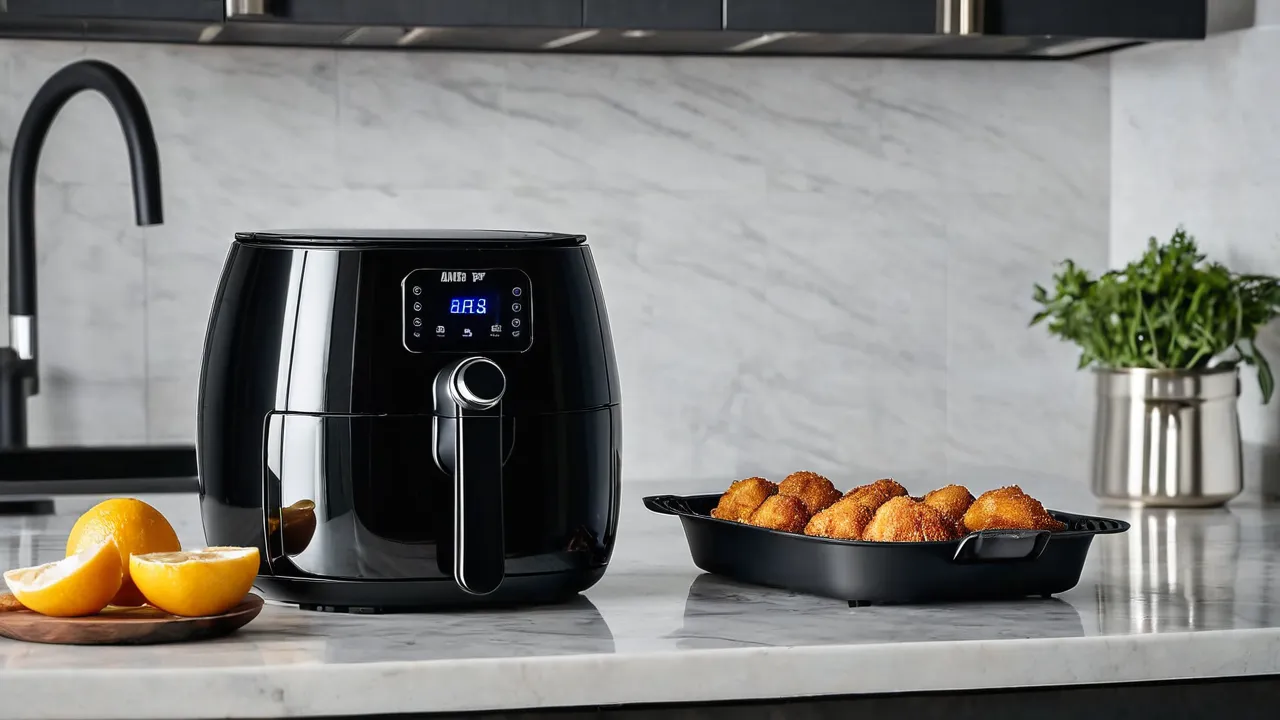
Air fryer basket materials fall into three groups: nonstick-coated metal, ceramic-coated metal, and bare stainless steel. Nonstick cleans easiest but its coating wears with scratching and heat abuse, ceramic coatings trade some slickness for a different chemistry, and stainless steel lasts longest but food sticks more and cleaning takes more effort.
What the Basket Actually Does
The basket is a perforated container that holds food in the moving hot air. It takes the heaviest abuse in the whole appliance: constant heat cycling, grease, scrubbing, and contact with utensils. The motor and element sit behind it and rarely touch food, so the basket is where wear shows up first.
That makes the material a long-term decision rather than a cosmetic one. A basket that sheds its coating in a year or two turns a good appliance into a disappointing one, even if the fan and element are fine. The reverse is also true, since a basket that is easy to clean gets cleaned, and a clean machine runs better and smells better.
Material also changes how food behaves. Coated baskets release food readily, while bare metal needs a light film of oil or a liner to keep delicate items from sticking. Ask yourself what you cook most, because a basket that suits chicken wings may frustrate you with fish or eggs.
What the Spec Sheet Does and Does Not Say
Product pages usually name the coating type, say whether the basket is dishwasher safe, and list a maximum temperature for the appliance. They rarely state coating thickness, expected wear life, or the number of wash cycles a basket survives. When a listing is silent, treat that as unknown rather than good. Look in the manual’s care section, which often contains the strongest limits, such as which utensils to avoid and whether the basket can go in a dishwasher.
Two other details are worth checking. First, whether the basket and the crisper tray are separate parts, since a tray that lifts out makes cleaning easier. Second, whether the handle detaches, because a handle with a hollow seam can trap grease and water.
Nonstick Coated Baskets
Most baskets sold today are metal with a nonstick coating, typically a PTFE-based or similar polymer layer. The appeal is obvious: food slides out, and a quick wash cleans most messes.
The trade-offs are about wear and temperature.
- Coatings can scratch from metal utensils and scouring pads, and damage tends to accelerate once the surface is compromised.
- Manufacturers publish temperature limits for their coatings. Staying under them matters, and the manual is the only reliable source for your model.
- Flaking or peeling means the basket should be retired. Makers advise against continued use of a damaged coating.
- Dishwasher use can shorten coating life on some models, so look for the manual’s guidance instead of assuming.
If you have pet birds, be careful. Fumes from overheated PTFE-type coatings are known to harm birds, and agencies that cover consumer safety advise keeping birds out of the kitchen when heating coated cookware. Follow the maker’s temperature limits, ventilate well, and keep birds in a separate room.
Ceramic Coated Baskets
Ceramic coatings are marketed as a PTFE-free alternative. They are usually a sol-gel or similar mineral-based finish on a metal base, and they feel slick when new.
What can be said with confidence is limited. Owners commonly report that ceramic finishes lose their slickness over time and begin to grip food, though how fast depends on the product and how it is cleaned. We cannot give you a wear figure, and none should be trusted unless the manufacturer documents it. Check what the maker states about the coating composition, temperature limits, and care, and be skeptical of health claims on the box. Only cite what a recognized agency or the manufacturer’s documents support.
Ceramic coatings can chip if banged against hard surfaces, so rough handling is a factor. They also tend to need gentler cleaning, since abrasives can dull them. If you pick ceramic because you want to avoid certain coatings, the trade is some stick resistance and possibly a shorter useful life of the slick surface.
Stainless Steel Baskets
Stainless baskets and racks have no coating to wear off. You can scrub them harder, soak them, and generally treat them like a cooking pot. That is why people who prize long service often prefer them.
The costs are practical:
- Food sticks more, especially batter, cheese, and lean proteins. A light oil film, perforated parchment made for air fryers, or a liner helps.
- Cleaning takes more effort when residue bakes on, though soaking usually works.
- Bare steel gets hot and conducts heat quickly, so cooking time may shift compared with a coated basket.
Check the grade or description only if the maker states it. A listing that just says “stainless” tells you little about thickness or finish, so look for a basket that feels rigid, has a smooth weld, and comes apart for cleaning.
How to Judge a Coating When You Own It
Look at the basket in good light after each wash. Run a fingertip across the surface and feel for roughness, then check for gray scratches, bare metal showing, or flakes. Note whether food that used to release now grips. A few light marks are common, and flaking or peeling means retire the basket. Keep a short note of the purchase date and any marks so you can show the maker if a warranty claim applies. If a replacement basket is sold separately, check the price before you decide to keep using a worn one.
Side by Side
| Factor | Nonstick | Ceramic coated | Stainless steel |
|---|
|—|—|—|—|
| Food release | Best | Good when new | Needs oil or liner |
|---|---|---|---|
| Cleaning effort | Low | Low to moderate | Moderate |
| Scratch sensitivity | High | Moderate to high | Low |
| Coating to wear out | Yes | Yes | No |
| Replacement planning | Check parts supply | Check parts supply | Rarely needed |
The pattern is simple. Convenience falls as durability rises, and no material wins on both.
Choosing by How You Cook
Pick a nonstick basket if you cook fish, eggs, or breaded items often, clean by hand with a soft sponge, and want the lowest effort. Choose a stainless steel basket if you cook vegetables, wings, and fries, use oil or liners, and want a surface that survives rough cleaning. Choose ceramic if you specifically want a coating that avoids PTFE-type chemistry and accept that its slick surface may fade.
A practical check on any basket in the first week is simple observation. Look at how much residue remains after a normal wash, whether the surface feels smooth, and whether any tool leaves a mark. Early marks tell you how the surface will age. Silicone or wooden tools and soft sponges are the safest habit for every material, and a liner or oil film protects a basket from the worst of baked-on food. Perforated paper liners made for air fryers should never be placed in a preheating machine without food on them, since loose paper can lift into the element, and the manual describes how to use them correctly.
Think about the household too. If several people wash dishes and not all of them are careful, a stainless basket forgives rough handling in a way a coated one will not. If one person does all the cooking and cleaning, nonstick convenience may be worth the extra care.
Whatever you choose, look for a basket that can be bought separately. A replaceable basket turns a coating failure into a modest repair instead of a full replacement, so check the parts listing before you commit. Our air fryer category and the dual air fryer guide point to models, and how we review explains what we look for in build quality.
A Decision Walkthrough
Say you cook frozen fries and wings three times a week, you wash by hand, and you own a metal spatula you like. Stainless steel suits that habit, because it forgives metal tools and scrubbing, and a light oil film handles the sticking. Say instead that you cook fish and eggs, use silicone tools, and want a ten second rinse. A nonstick basket suits that, as long as you stay within the maker temperature limit. If you prefer a PTFE free coating and accept a fading slick surface, choose ceramic and handle it gently. Choose the material that matches your habits, not the one with the longest claim.
Safety and Care Notes
Follow the manual’s temperature limits, and stay within them. Do not use abrasive pads on coated baskets, and retire a basket that is flaking or deeply scratched. Never submerge the base, keep cords away from hot surfaces, and plug the unit into a grounded outlet. Fumes from overheated coatings can irritate people and harm birds, so ventilate. If you suspect an electrical fault in the unit or the outlet, a licensed electrician or technician should look at it.
Frequently Asked Questions
Which air fryer basket material is best?
There is no single best. Nonstick releases food best and cleans easily, stainless steel lasts longest and tolerates scrubbing but needs oil or liners, and ceramic coatings avoid PTFE but may lose slickness over time. Choose by what you cook and how you clean, and check parts availability.
Are nonstick air fryer baskets safe?
Used within the maker temperature limit and kept undamaged, they are intended for this use. Retire a basket that is flaking or peeling, and avoid abrasives and metal tools. Fumes from overheated PTFE type coatings can harm pet birds, so ventilate and keep birds in another room.
Do ceramic coated air fryer baskets last?
Owners commonly report that the slick surface fades over time, but no reliable wear figure exists unless the manufacturer documents it. They can chip if banged and prefer gentle cleaning. Check what the maker states about composition, temperature limits, and replacement baskets.
Can I put my air fryer basket in the dishwasher?
Check the manual. Some baskets are dishwasher safe, but dishwasher use can shorten coating life on some models, and hand washing with a soft sponge is often gentler. If the manual does not say, wash by hand to be safe.
Final Thoughts
There is no perfect basket. Nonstick wins on ease, stainless wins on endurance, and ceramic sits in between with the most uncertainty. Choose based on what you cook and how you clean, confirm the temperature limits and parts availability in the manual and product page, and treat any claim you cannot trace to the manufacturer or a recognized agency with caution.
Related buying guides
- Air Fryer Buying Mistakes That Waste Money
- Air Fryer Electricity Cost vs Oven
- Air Fryer Noise and Ventilation: Buying for Small Kitchens
About the author

The BuyOnceChoice Editorial Team researches durable products worth buying once. Our guides compare published specifications, warranty terms, expert review consensus, and verified owner feedback. We do not conduct our own product trials. See How We Review and our Editorial Policy for our standards.