How Long Do Air Fryers Last and When to Replace
Coating wear usually ends an air fryer before the motor does. Learn the failure points, a cost per year formula, and when repair beats replacing.
 By BuyOnceChoice Editorial Team
Updated November 16, 2026
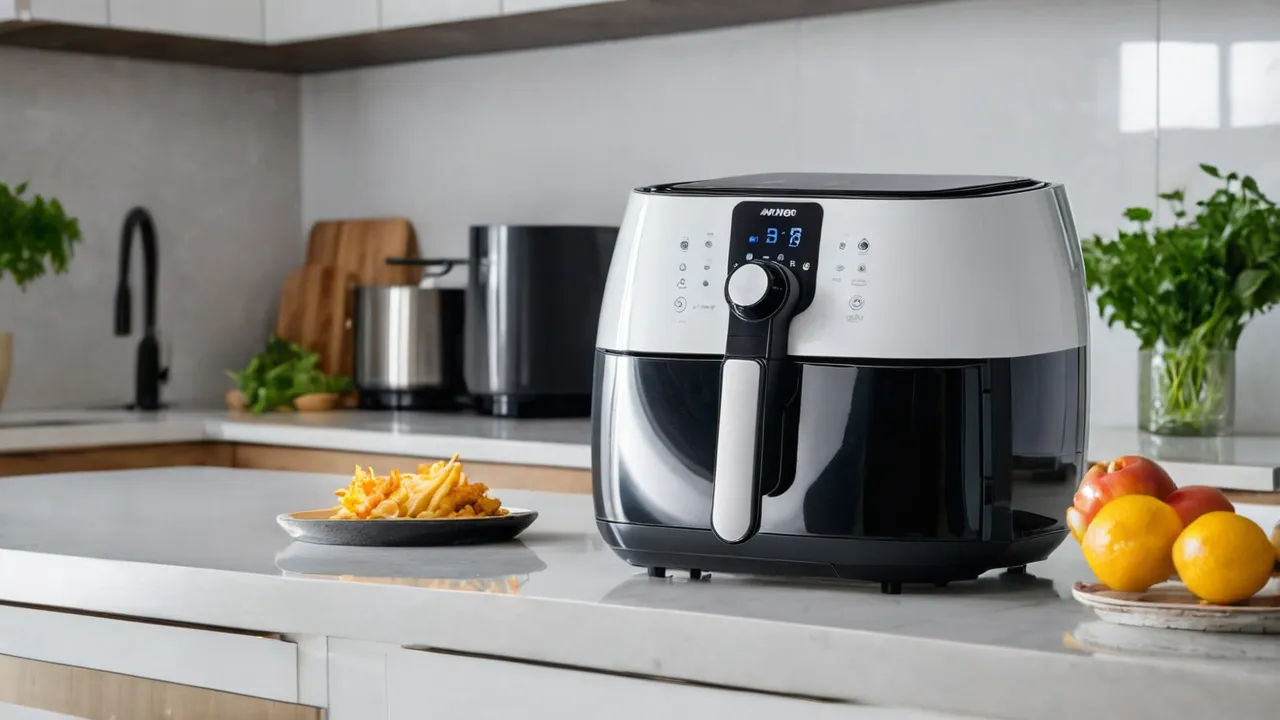
How long do air fryers last? There is no honest single number, because lifespan depends on how often you cook, how you clean the basket, and what the manufacturer’s warranty covers. Most owners see the nonstick coating wear out before the fan or heating element fails, and a worn basket is the usual signal to replace the basket or the whole unit.
Why No Lifespan Number Holds Up
Manufacturers rarely publish an expected service life for countertop appliances, and the lifespans quoted in blog posts are usually guesses averaged from owner reviews. Those reviews skew toward people who had a problem, so they tend to look gloomier than reality, while quiet owners with a working unit rarely post at all.
A better approach is to think in duty cycles. An air fryer used a few times a week for reheating is under far less stress than one used for several batches every evening. The heating element cycles on and off constantly, the fan runs at high speed, and the basket takes thermal shock every time it goes from hot to a sink of water. More use means more wear, and no spec sheet adjusts for that.
So instead of asking for a number of years, ask what will wear out first, how long the maker backs the unit, and what it costs per year to own. Those three questions give you something you can act on.
The Parts That Wear Out First
Air fryers are simple machines, which helps. The failure points are fairly predictable.
- **Basket and tray coating.** Nonstick surfaces chip, flake, or go sticky with scratching, harsh scrubbing, and baked-on residue. This is the most common complaint in owner discussions and the one you can often manage yourself.
- **Fan and motor.** A fan can get noisy, slow down, or seize if grease and dust build up around it. Heavy grease cooking raises that risk.
- **Heating element and thermostat.** An element that stops heating, or a unit that never reaches the set temperature, usually points to the heating circuit or a temperature sensor.
- **Controls.** Touchscreens and dials can fail from moisture and heat. Mechanical dials tend to be simpler, though a digital panel is hard to judge in advance.
- **Basket handle and slide mechanism.** Latches, hinges, and release buttons loosen with repeated use.
Notice that most of these are either cleaning-related or mechanical. Few of them are mysterious, and several depend on habits you control.
Reading the Warning Signs
Some changes mean cleaning and adjustment. Others mean the unit is near the end. Use the list below as a first filter.
| Symptom | Likely cause | First move |
|---|
|—|—|—|
| Food sticks more than it used to | Worn or residue-coated basket | Deep clean, then consider a replacement basket |
|---|---|---|
| Smoke or burning smell on normal settings | Built-up grease on element or drip area | Unplug, cool, clean per the manual |
| Cooks unevenly or takes much longer | Clogged vents, weak fan, or sensor drift | Clear vents, then check warranty |
| Loud rattle or grinding | Fan obstruction or failing bearing | Stop using it and check the warranty |
| Display dead, unit has power | Control board or wiring | Warranty claim or replace |
| Visible flaking of the coating | Coating breakdown | Stop using that basket |
If you see flaking of the cooking surface, follow the manufacturer’s guidance on whether to keep using it. Most makers say to replace damaged baskets rather than keep cooking on them.
End of Life Triggers
Retire the unit, or at least stop using it until the maker confirms it is safe, in these cases.
- The basket or tray coating is flaking and the maker says to replace damaged parts.
- The cord is frayed, the plug is discolored, or the plug feels hot in use.
- The unit smokes with a clean tray and no fatty food.
- The housing is cracked or a basket does not latch.
- The fan grinds or seizes, or the unit trips a breaker with nothing else on the circuit.
- A burning smell appears that does not go away after cleaning.
Anything electrical in that list is a job for the manufacturer or a qualified technician, not a home fix.
Warranty Versus Repair Versus Replace
This is where the money decision happens. Start by checking the warranty length on the product page and in the manual, and read what it covers. Some warranties cover the unit but not the basket coating, and some require registration or proof of purchase. Do not assume; look at the terms before buying and again when something breaks.
If the unit is in warranty, claim it first. If it is out of warranty, check whether the maker sells replacement baskets, trays, or accessories, because a replacement basket is far cheaper than a new machine when the coating is the only problem. Models whose parts are sold separately are easier to keep going.
Opening the housing to repair electrical parts is a poor idea for most households. If a heating element or control board fails, a licensed appliance technician can tell you whether a repair is realistic, but for most countertop units the repair costs approach the price of a new machine. Consumer electronics repair is rarely worth it unless the unit is a higher-end model with available parts.
What to Do With the Old Unit
Check the maker’s site and your local recycling program for small appliance drop off, since many municipalities collect electronics separately from household trash. Cut off the cord on a unit you are discarding so nobody picks it up and uses a damaged unit. If the unit still works and only the coating is worn, a replacement basket from the maker is often the lowest cost fix when it is sold.
A Cost Per Year Formula
Make the decision with arithmetic you can do on paper.
1. Take the price you paid, and divide it by the number of years you used it so far. That is your cost per year to date.
2. Estimate the repair or replacement-basket cost, and divide it by the extra years you expect it to buy you. Be conservative on the extra years.
3. Compare that against a new unit: its price divided by the years you would reasonably expect from it, based on warranty length and your usage.
If the repair cost per extra year is lower than the new unit’s cost per year, repair. If not, replace. A longer warranty tilts the new-unit math in its favor, because the maker is taking on part of the risk. A machine with a basket that can be bought separately tilts toward keeping it.
Habits That Stretch Its Life
You cannot make a machine last forever, but a few habits remove common causes of early failure.
- Wash the basket by hand with a soft sponge unless the manual says dishwasher safe, and avoid steel wool and abrasive pads.
- Let the unit cool before washing, since sudden temperature swings stress coatings.
- Wipe the heating area and clear grease from the drip area on a regular schedule.
- Keep the vents clear and leave space behind and above the unit, as the manual describes.
- Do not use aerosol cooking sprays unless the manual allows them, as some makers warn they can damage coatings.
- Do not overfill the basket. Food that blocks airflow forces the fan and element to work harder.
Safety Notes for Older Units
Plug the air fryer into a grounded outlet that is not shared with other high-draw appliances, keep the cord away from hot surfaces, and never submerge the base in water. If the cord is frayed, the plug runs hot, or the unit trips a breaker, stop using it. Electrical problems in the outlet or wiring call for a licensed electrician, not a workaround.
Overheated nonstick coatings can release fumes, and some are harmful to pet birds. Stay within the maker’s stated temperature limits, ventilate the kitchen, and retire a damaged basket as the manual directs. Follow the manual for everything, since it is the only source that applies to your exact model.
When you shop for a replacement, look for these signals on the product page rather than trusting a star rating: a clear warranty length, replacement baskets sold separately, a basket that comes apart for cleaning, and a stated temperature range. Our air fryer category lists the models we cover, and the dual air fryer roundup explains how a second basket changes wear and failure points. If you want to know how we weigh durability signals, read how we review.
Frequently Asked Questions
How long does an air fryer last?
No maker publishes a guaranteed lifespan, and owner experience varies with use, cleaning and build. The basket coating usually wears first, followed by fans, elements and controls. Use the warranty length, parts availability and your cooking frequency to estimate how long a particular model is likely to serve you.
When should I replace my air fryer?
Replace it when the coating flakes and no replacement basket is sold, when electrical parts fail, when the cord or plug is damaged, or when repair costs more per extra year of use than a new unit costs per year. Stop using any unit with a frayed cord or repeated smoke.
Is it safe to use an air fryer with a scratched basket?
Light scratches in a nonstick coating may be cosmetic, but flaking is a different matter. Many makers say to replace baskets with damaged coating. Check your manual, and avoid metal tools and abrasive pads, which scratch the surface. If flakes appear in food, stop using the basket.
Can you repair an air fryer?
Some repairs are simple, such as replacing a basket, tray or handle if the maker sells them. Electrical repairs involving the element, fan or control board should go to the manufacturer or a qualified technician, and opening the housing can void the warranty. Compare repair cost with replacement before deciding.
Final Thoughts
An air fryer rarely dies all at once. The coating wears first, then comes noise, uneven cooking, or a dead panel. Decide with the cost per year rule: claim the warranty when you can, replace the basket when the coating is the only problem, and replace the unit when the repair math or the safety signs say it is time. Pick your next one with a long warranty and available parts, and the question of how long it lasts matters much less.
Related buying guides
- How to Choose an Air Fryer: A Buy Once Checklist
- How to Clean an Air Fryer Without Ruining the Coating
- Preheating an Air Fryer: When It Matters
About the author

The BuyOnceChoice Editorial Team researches durable products worth buying once. Our guides compare published specifications, warranty terms, expert review consensus, and verified owner feedback. We do not conduct our own product trials. See How We Review and our Editorial Policy for our standards.