What to Do When an Airline Damages Your Luggage
Report damage before you leave the airport, photograph everything and keep every receipt. Learn how airline claims and brand warranties interact.
 By BuyOnceChoice Editorial Team
Updated November 16, 2026
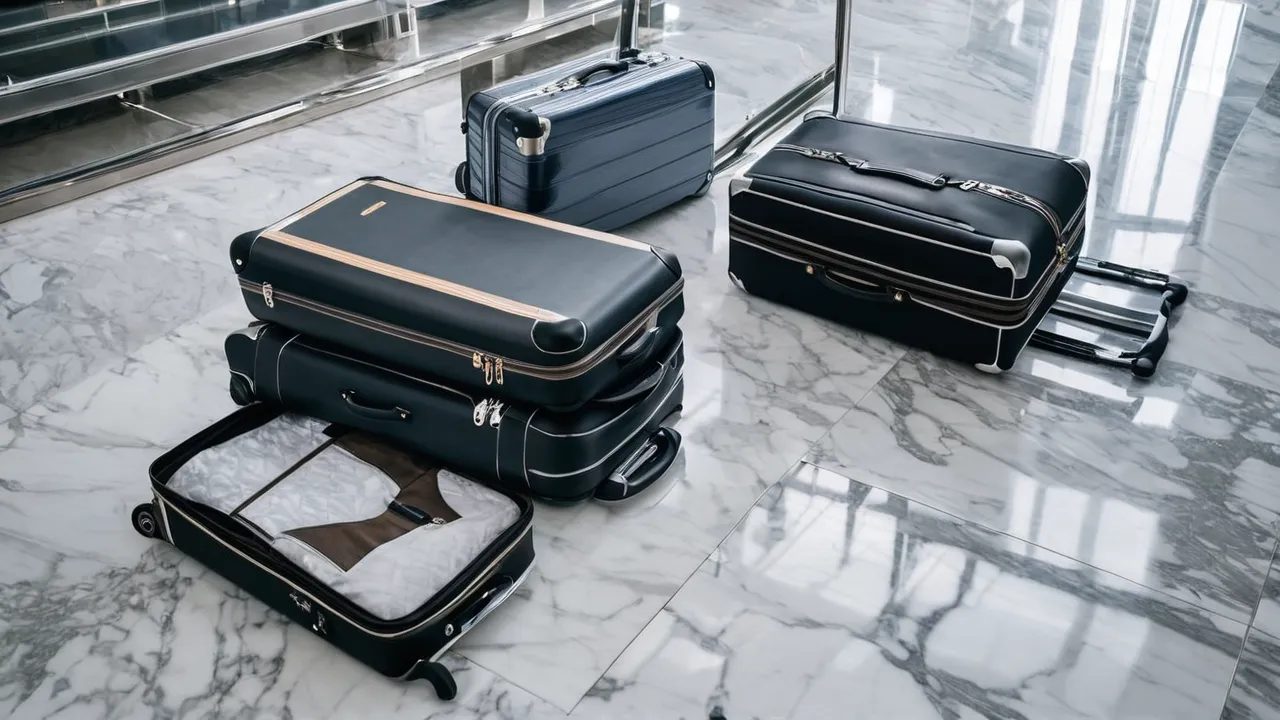
If an airline damages your checked bag, meaning it arrives cracked, torn, broken or otherwise worse than it left, report it before you leave the airport, photograph the damage and the tag, and file a written claim within the airline’s deadline. Many airlines exclude wear-type damage such as scuffs, wheels and handles, so the paperwork and the photos decide the result. A brand warranty may cover what the airline does not, but it rarely covers airline handling.
Act Before You Leave the Airport
The first hour matters most. As soon as you notice damage at the carousel, keep the bag and go to the airline’s baggage service desk, which is often near the claim area. If the desk is closed, find the airline’s phone line or app on the spot. Many airlines set short windows for reporting damage, often measured in hours or days, and the rules differ by airline and by whether the trip is domestic or international. Read your airline’s conditions of carriage for the exact window.
Do not throw anything away. Keep the bag, the baggage claim tag and your boarding pass. Ask the agent for a written report or reference number, and ask what happens next. Get the agent’s name or an employee number, and note the date and time. If an agent says the damage is normal wear, politely ask them to record the report anyway.
Document the Damage
Evidence wins claims. Take clear photos in good light before you touch the bag:
- The full bag from several angles, with the baggage tag visible.
- Close-ups of every damaged area, with a coin or ruler for scale.
- The inside of the bag, if contents are damaged.
- The airline’s tag and your boarding pass in one photo.
- A short video of wheels or handles that do not work.
Take photos of the bag before the trip too, if you can. A photo of the bag in good condition shows the damage is new. Keep receipts or proof of purchase, and note the age of the bag. Store everything in one folder on your phone.
Understand What Airlines Usually Cover
Airlines treat luggage damage differently from lost bags. In general, they accept responsibility for damage that goes beyond normal wear, such as a cracked shell, a torn seam or a broken zipper, but many exclude items they consider vulnerable or part of regular wear. Wheels, handles, straps and zippers are commonly listed as exceptions in airline policies, and scuffs or small scratches are usually treated as wear. Check your airline’s policy to see which items it excludes.
Compensation can take several forms, such as repair, a replacement or a payment toward the value. Airlines often consider the age and condition of the bag, so you may receive less than the price of a new one. On international itineraries covered by the Montreal Convention, the written complaint for damaged checked baggage is generally due within seven days of receiving the bag, and within 21 days for delayed baggage. Domestic limits and deadlines come from each airline’s contract of carriage, so read it, and consult the airline and official government guidance such as the Department of Transportation consumer pages, since limits change. This article is general information, not legal advice.
If a bag is unusable and you must travel on, ask whether the airline will provide a loaner or a replacement bag right away.
File the Claim Properly
Once you have a reference number, file a written claim through the airline’s online form or in writing. Include the details:
- Your name, flight number, date and baggage tag number.
- A clear description of the damage and the date you noticed it.
- Photos and any video.
- Proof of purchase or an estimate of the bag’s value and age.
- A repair estimate from a luggage shop, if available.
Keep copies of everything you send, and note the date. If you do not hear back in a reasonable time, follow up and ask for the claim status. Be polite but persistent. If the airline refuses, ask for the reason in writing, and consider an appeal. Government agencies that oversee air travel publish complaint processes, and you can check them for your situation.
Keep a running log
Open a note on your phone and record each contact: date, time, the channel used (desk, phone, web form), the agent’s name and what was promised. If you speak to someone on the phone, ask for a case number and repeat the summary back. A clear log makes follow-up simpler, because you can quote the date of your first report. Save confirmation emails and screenshots of web forms in the same folder.
Think about contents too
If items inside the bag were broken, list each one with a photo and a receipt where possible. Airlines often limit coverage for fragile items, electronics, jewelry and cash, and may advise carrying those in the cabin. Check your airline’s list of excluded items. A travel insurance policy or a credit card benefit may cover contents or delays, so read those terms and contact the provider promptly, since they also have deadlines.
When the bag is delayed as well as damaged
If a bag arrives late and damaged, report both. Delay claims often cover reasonable interim purchases such as toiletries, and the rules differ by airline and trip type. Keep receipts and ask the agent which expenses qualify before you spend.
A simple timeline to follow
- At the carousel: stop, keep the bag with you, and go straight to the airline baggage desk.
- Same day: finish the damage report, collect the reference number and take every photo before the bag is repacked.
- Within the first day or two: submit the written claim online or by email, because many airlines set short windows for domestic trips.
- Within seven days on an international trip: make sure the written complaint is in, even if the airline has not yet answered.
- Every week after: follow up using your reference number until you have a decision in writing.
The common regrets are predictable. Owners leave the airport without a report because the desk was busy, throw out the claim tag, accept a voucher without reading the release, or repair the bag before the airline has seen the damage. Each one weakens a claim that would otherwise be simple, so do the paperwork before the repair.
Where the Brand Warranty Fits
A luggage brand’s warranty is separate from the airline’s responsibility. Many brand warranties exclude damage caused by airline handling or accidents, and focus on manufacturing defects such as a failed wheel assembly or a faulty zipper under normal use. Read the warranty carefully, since some brands offer repair services or discounted replacements even for non-covered damage.
The practical approach is to use both. File with the airline for handling damage. If the bag also shows a defect, such as a handle that failed without impact, contact the brand with photos and your proof of purchase. Our luggage warranty checklist lists the questions to ask a brand before you buy, and our how we review page explains how we weigh warranty terms.
Repair or Replace the Bag
If the airline offers a payment, decide whether to repair or replace. Get a quote from a repair shop, since simple fixes like wheels or handle swaps may cost less than a new bag. Our guide on when to replace a suitcase gives a repair-versus-replace rule. Structural damage such as a cracked shell or a bent frame often means replacement, while worn wheels or a stuck zipper can be repaired.
If you accept a replacement voucher or payment, read the terms. Some settlements ask you to release further claims, and you may not be able to reopen the matter later.
Prevent Problems on the Next Trip
You cannot control baggage handling, but you can reduce risk. Choose a bag with strong corners and protected wheels, avoid overpacking, and tuck delicate items in the center, wrapped in soft clothes. Remove loose straps and attachments that can catch in conveyor belts. Put an identification tag inside and outside. Our luggage guides include a pre-trip checklist, and browsing the luggage sets category shows constructions that resist impacts.
Frequently Asked Questions
How long do I have to report airline damaged luggage?
Report it at the airport before you leave, then file in writing quickly. On international trips governed by the Montreal Convention, the damage complaint is generally due within seven days of receiving the bag. For domestic trips the deadline is set by the airline, and can be as short as a day, so check its policy.
Will an airline pay for a broken suitcase wheel or handle?
Often not. Many airlines list wheels, handles, straps and zippers as exclusions, and treat scuffs as normal wear. A cracked shell or torn seam is more likely to be accepted. File anyway, with photos, because the airline decides on the evidence, and ask for the refusal in writing if they decline.
Should I repair the suitcase before filing a claim?
No. Photograph the damage and file first, so the airline can review the bag as it arrived. Get a repair estimate from a luggage shop to attach to the claim. If you repair first, you may lose the proof of the damage, and the airline may offer less or decline.
Does the luggage brand warranty cover airline damage?
Usually not. Most brand warranties cover manufacturing defects such as a failing wheel assembly or zipper under normal use, and exclude damage caused by airline handling. If the bag also has a defect, contact the brand with photos and proof of purchase. Read the warranty wording, because terms differ between brands.
Final Thoughts
Speed and proof are your best tools. Report damage at the airport, photograph it, keep your tags and receipts, and file a written claim within the window. Expect airlines to exclude normal wear, and treat the brand warranty as a separate path for defects. A calm, organized claim gives you the best chance of a fair result.
Related buying guides
- Aluminum vs Polycarbonate Luggage: Worth the Premium?
- Business Travel Luggage: Suit Insert and Garment Bag Guide
- Carry-On Size Chart: Why Measured Inches Beat Labels
About the author

The BuyOnceChoice Editorial Team researches durable products worth buying once. Our guides compare published specifications, warranty terms, expert review consensus, and verified owner feedback. We do not conduct our own product trials. See How We Review and our Editorial Policy for our standards.