Business Travel Luggage: Suit Insert and Garment Bag Guide
Pick a bag for the workday, not the packing list. See how garment folding, laptop access and a polished finish separate good business bags from the rest.
 By BuyOnceChoice Editorial Team
Updated November 16, 2026
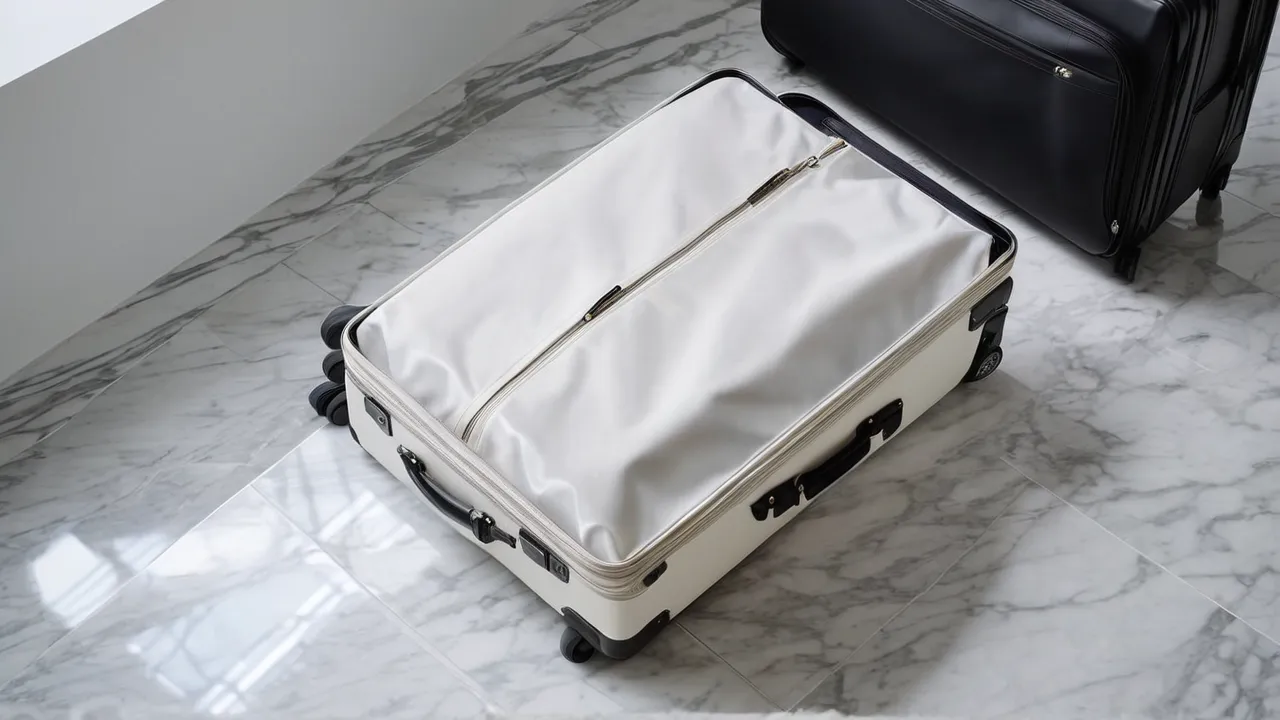
Business travel luggage works when it keeps clothing wrinkle-free, gives quick laptop access and looks professional in an office lobby. A carry-on with a garment-friendly layout and a detachable or separate laptop bag meets most needs, because you can keep documents and devices with you while the suit stays smooth.
What Business Trips Demand From a Bag
A business trip is short, tightly scheduled and often image-sensitive. You may land, drive to a meeting and have only minutes to change. That makes the bag an operational tool. It needs to protect formal clothes, hold chargers and documents in reachable places, and survive rushed handling.
List your pain points before shopping. If you pull wrinkled shirts from the case, you need better folding methods or a garment bag. If you fumble for a laptop at security, you need a better laptop layout. If your bag looks scuffed, finish and material choices matter.
Wrinkle Control by Format
Garment bag or folder
A garment bag lets suits hang without folding. It suits trips with multiple suits or a formal event. It can be bulky and awkward on wheels. A garment folder inside a suitcase gives most of the benefit without the extra bag.
Carry-on with a flat packing platform
Some suitcases have a deep main well and a compression system with a pressure plate. Folding suits with tissue or dry-cleaning bags around creases helps. Pack shirts in a flat stack and place a suit jacket folded inside out.
Packing cubes
Cubes organize shirts and underwear but do not stop creases on their own. A stiff cube holds shape better than a soft one. Our packing cube guides cover related buying advice.
Packing a Short Trip Without Creases
For a two-night trip, pack in layers: shoes at the bottom against the wheels, a flat layer of rolled casual items, then folded shirts with the suit jacket on top. Turn the jacket inside out with the shoulders nested, and place the trousers across the case in a long fold with tissue between layers. Dry-cleaning bags reduce friction between fabrics, which cuts creasing.
When you arrive, hang clothes right away and run a hot shower with the door closed to relax creases. Pack a small travel steamer only if your hotel does not provide an iron, and check the airline’s rules about the device before you fly. A wrinkle-release spray is a lighter alternative.
- Put shoes in a bag at the bottom of the case, against the wheels.
- Lay rolled casual items flat over the shoes to make a level platform.
- Stack folded shirts on top, with tissue or a dry-cleaning bag between layers.
- Fold the suit jacket inside out with the shoulders nested, and place it last.
- Hang everything the moment you arrive, and keep the case closed between meetings.
Folding is a trade: fewer folds mean fewer hard creases, so a garment folder or a single long fold across the case beats several small folds. If a suit is the one item you cannot afford to crease, ask whether the hotel offers pressing before you pack a steamer.
Laptop and Document Access
If you pass through airport security often, quick laptop access matters. A rolling bag with a front laptop pocket or a briefcase-style bag that rides on the handle gives access without opening the main case. A separate briefcase or backpack for the laptop and papers keeps them away from clothing and reduces the weight on your suitcase.
Our best executive backpack roundup covers laptop-friendly bags, and our backpack category lists alternatives. Check the interior measurements against your laptop, including any sleeve you add.
Screening rules for laptops differ by lane and change over time, so check the Transportation Security Administration guidance before you travel and be ready to remove the laptop if asked. A bag that lets you pull the laptop out in one motion, without unpacking anything else, saves the most time at the checkpoint.
Finish, Material and Durability
A business bag should look neat after a week of travel. Smooth ballistic nylon and tightly woven polyester resist scuffs and wipe clean. Leather accents add polish, but they scratch and need care. Hard shells in dark, matte colors hide scratches better than glossy ones. Avoid loud logos if you want a low-profile look.
Hardware matters for impression: zippers should glide, handles should feel solid and wheels should be quiet on terminal floors. Silent wheels do not distract in a quiet hotel hallway.
Durability and Support
Business travel means frequent flights, so choose parts that tolerate repeated use. Look for firm handles, strong zippers and replaceable wheels. Warranty coverage for wheels, handles and zippers is worth reading before you pay. Our luggage warranty checklist is a related topic that explains questions to ask, so check the manufacturer’s terms yourself. Also see how we assess such claims on the how we review page.
Budgeting for Frequent Use
A business bag is used far more than a vacation bag, so cost per trip falls quickly if the bag lasts. Weigh a higher upfront price against replacement frequency. Look at wheel assemblies, handle mechanisms and zipper sliders, because these parts fail first on bags that fly every week. Choose a manufacturer that publishes warranty terms in plain language, and keep your receipt and a photo of the bag’s serial or style tag in case you need service while traveling.
Finally, keep the bag simple. Fewer compartments and fewer expansion features mean fewer parts to fail and a cleaner look in meetings.
Carry-On Only Strategy
Many business travelers skip checked bags to avoid delays. Check airline carry-on dimensions, include wheels and handles when measuring and leave a few inches spare. A bag that is overstuffed will not fit in the sizer. Pack your toiletries in a quart-size bag for security, as the TSA liquids rule describes, and verify current rules on the TSA site.
Choose a bag with an expansion zipper only if you will not need it for carry-on trips, because expansion can push you over limits.
When a Checked Bag Makes Sense
A carry-on only rule is not always right. If you travel with samples, presentation equipment or several outfits for a multi-day conference, a checked bag removes the weight limit and the sizer anxiety. Choose a checked bag that is easy to spot, with sturdy corners and a firm handle, and pack a change of clothes and chargers in the cabin bag in case the checked bag is delayed.
A Two-Bag System That Works
Many frequent business travelers settle on two pieces: a carry-on suitcase for clothing and a slim work bag for the laptop, charger, notebook and documents. The suitcase can slide onto the bag’s handle through a pass-through sleeve, which keeps your hands free in airports. The work bag holds items you need at the desk or in a meeting, and you can leave the suitcase in the hotel or the trunk.
This system also helps if the suitcase is gate-checked. A full flight sometimes forces a carry-on into the hold, and you do not want a laptop or passport inside. Keep valuables in the work bag, which stays with you under the seat.
Small Details That Make a Trip Easier
- A visible luggage tag with a business card and a covered address protects privacy.
- A brightly colored handle wrap or strap makes the bag easy to find on a conveyor.
- A zipped front pocket holds boarding passes, ID and a pen without opening the main bag.
- Cord organizers prevent chargers from tangling around shoes.
- A foldable shoe bag keeps dirt away from shirts.
None of these cost much, and together they cut the daily friction that long business trips create.
Hotel and Client Visit Etiquette
Rolling a noisy, scuffed suitcase into a client lobby can undercut an otherwise polished presentation. Quiet wheels, a clean shell and a bag in a restrained color help. Wipe the bag before important visits, and leave bulky luggage at the front desk or in the car when you attend a meeting. A slim portfolio or work bag handles the meeting itself.
Who Should Choose Which
Choose a carry-on with a garment-friendly layout and a separate laptop bag if you travel for short trips. Choose a garment bag if you carry multiple suits or formal wear. Choose a backpack-style executive bag if you walk long distances. Skip a flashy design if you want to blend in, and skip a heavy hard shell if you lift bags into overhead bins.
Frequently Asked Questions
What is the best type of luggage for business travel?
A carry-on suitcase with a garment-friendly layout plus a separate slim laptop bag suits most short trips. The suitcase protects clothing, while the work bag keeps the laptop, chargers and documents with you. Choose a garment bag instead if you carry several suits or formal wear.
How do I keep a suit wrinkle free in a carry-on?
Fold the jacket inside out with the shoulders nested, use dry-cleaning bags or tissue between layers, and keep the suit on top of a flat base of rolled items. A garment folder helps further. Hang the suit as soon as you arrive, and a steamy bathroom can relax light creases.
Is a backpack acceptable for business travel?
Yes, if it is structured and neat, with a padded laptop compartment and a clean finish. Executive style backpacks keep a slim profile and free your hands. A clamshell opening makes packing easier. For client meetings, a restrained color and a well finished surface matter more than extra features.
Should business travelers check a bag or carry on?
Carry on if the trip is short and your clothes fit, since it avoids delays and lost bags. Check a bag if you carry samples, presentation equipment or several outfits. Keep the laptop, chargers, medication and one change of clothes in your cabin bag either way.
Final Thoughts
Match the bag to the job. Protect clothing with a folder or smart packing, keep the laptop reachable, and choose materials that hold up and look neat. A simple, well-made carry-on and a separate laptop bag cover most business trips.
Related buying guides
- Carry-On Size Chart: Why Measured Inches Beat Labels
- Cheap Luggage Sets: What You Give Up and When It Works
- Checked Luggage Size Guide: 24, 26, or 28 Inch
About the author

The BuyOnceChoice Editorial Team researches durable products worth buying once. Our guides compare published specifications, warranty terms, expert review consensus, and verified owner feedback. We do not conduct our own product trials. See How We Review and our Editorial Policy for our standards.