Luggage for Women Travelers: Fit, Weight, and Handle Height
Skip the pink-it-and-shrink-it approach. Choose by empty weight, handle height, wheel quality and how high you must lift the bag to stow it.
 By BuyOnceChoice Editorial Team
Updated November 16, 2026
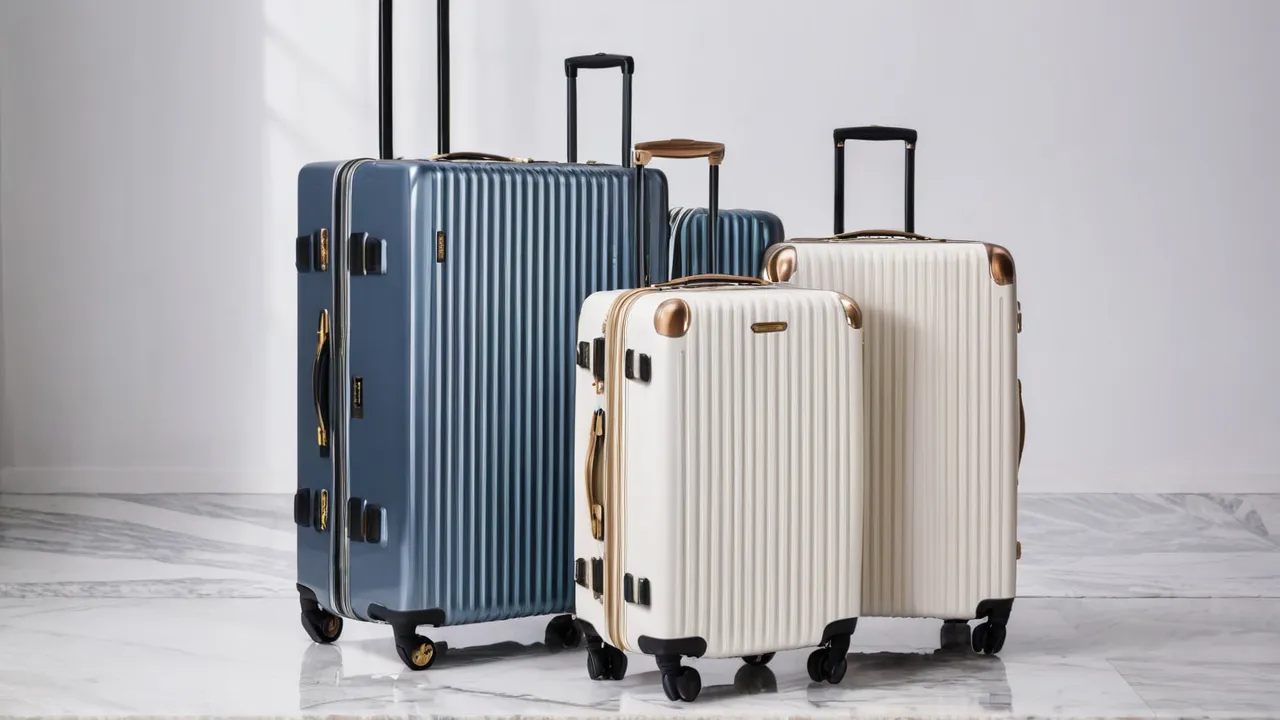
The best luggage for women, as for anyone, is chosen with a tape measure and a scale rather than a color swatch. Compare empty weight, handle reach, wheel quality and the height you must lift the bag. A bag that fits your height and strength will outperform any bag marketed by gender, and fit matters more than any label.
Why Measurements Beat Marketing
Products labeled for women often differ from others in color, trim and price, and sometimes in size. Those labels say little about performance. Heights, arm lengths and strength vary widely among people of every gender, so a better question is how a bag fits you.
Four measurable factors drive comfort:
- Empty weight, which eats into your packing limit and your lifting effort.
- Handle height range, which decides whether you tow the bag comfortably or hunch.
- Wheel and bearing quality, which determine how much force you must use to roll.
- Lift height, the point where you place the bag in a car trunk or overhead bin.
Use these four as your checklist, and treat style as a separate decision. Our travel luggage set roundup compares complete sets on construction, which is a better starting point than color.
Empty Weight and Usable Weight
Empty weight matters because every pound the bag weighs is a pound you cannot fill. Many airlines set an economy checked limit near 50 pounds, but rules vary, so check yours. For carry-ons, some airlines also set a weight limit, especially on smaller aircraft.
A lighter bag also reduces the lift when you raise it into an overhead bin or onto a train rack. If you struggle to lift a loaded bag overhead, consider a smaller carry-on and distribute weight across two pieces. Pack heavy items near the wheels and light ones near the top, which makes the bag easier to tilt and tow.
Compare stated weights and see how they affect usable capacity. A softside bag may weigh less than a hard shell of the same size, and a smaller bag with a lighter frame can be the better choice even if you lose a little volume.
Handle Height and Fit
Handle height is the most overlooked feature. A telescoping handle that stops too low forces a shorter person to tow the bag at an awkward angle, and a handle that extends too short makes a taller person walk bent forward. Look for a handle with several stop positions and a stated maximum extension.
To check fit, stand with your arm relaxed at your side and see where your hand falls. The grip should sit near your hip or lower waist, so that your elbow bends slightly as you pull. Many people hold the bag at their side instead of behind, and a spinner lets you roll it next to you. If a store is not available, compare the listed handle length with your own measurement, and read the return policy.
Check handle stability too. A handle that wobbles or rattles at full extension makes the bag harder to control. Our telescoping handle guide lists checks for tube thickness and lock strength.
Wheels, Bearings and Rolling Effort
A bag that rolls easily saves effort over long terminals. Spinner wheels with a sealed bearing move with little push, while cheap plastic wheels drag and squeak. Inline wheels handle rougher surfaces and do not roll away on a slope, but they require tilting the bag.
Look for wheels with a metal axle, a firm swivel housing and some form of replacement path. For more checks, read our wheel guide. If you often travel on cobblestones, larger wheels or a convertible backpack design may suit you better, and our backpacks category lists options with comfortable straps and padded hip belts.
Lift Height, Carry Handles and Grips
Think about the places you lift the bag. Car trunks, overhead bins, luggage racks and stairs all demand a lift. A bag with side handles and a top handle gives you more grip options. Padded, contoured handles are kinder to hands, and a handle that sits near the center of balance reduces strain.
For lifting overhead, narrow, tall bags are easier to slide into a bin than wide ones. A bag with a flat top lets you rest it on a ledge while you adjust your grip. If you have a back or shoulder condition, speak with a qualified professional about safe lifting, because general advice cannot account for your health.
A simple fitting routine at home
You do not need a store to apply these checks. Weigh yourself with and without a loaded bag to find out how much you lift, and set a personal ceiling that feels safe. Stand at a doorway or counter at the height of an overhead bin, which is roughly shoulder height or above for many people, and practice lifting a loaded bag to that point. If you cannot do it smoothly, choose a smaller bag or pack lighter.
Next, measure your hip height and your comfortable pulling position. Compare those numbers with the listed handle range. Many product pages give the handle length as a range from collapsed to fully extended, and some give several lock positions. Pick a bag whose upper position clears your hip with room to spare.
Think about pairing pieces
Two smaller bags often serve better than one large one. A carry-on spinner and a soft personal item let you split weight and keep essentials on hand. If you travel with a child, a lighter bag leaves a free hand. Our luggage sets category shows sets in graduated sizes, so you can choose the pieces you will actually use.
Worked example: matching a handle to your height
Suppose you stand 5 feet 4 inches tall, which is 64 inches. Your relaxed hand usually falls somewhere near the hip, which for many people is about 30 to 36 inches above the floor. If a handle’s top position reaches 38 inches from the floor, you can tow the bag with a slight elbow bend. If its maximum is 32 inches, you will stoop or tilt the bag awkwardly. Treat these figures as an illustration and measure your own hand height, since proportions differ. Then compare it with the product page’s extended height figure, measured from the floor to the top of the grip.
Do the same for lifting. Choose a personal weight ceiling for lifting overhead, based on what you can place in a bin without strain, and subtract the bag’s empty weight from it to see how much you can pack. If the ceiling is lower than the airline’s weight limit, the ceiling is the number that counts.
Organization, Packing Style and Security
Many women’s preferences relate to organization rather than demographics, and they apply to everyone. A bag with a clear separation between clean and worn items helps. Garment compartments reduce wrinkles on dresses and suits. Interior pockets keep small items from sinking, and a bag that opens flat gives you a view of everything.
Security features matter too. Lockable zippers and a compartment for valuables deter quick theft. A slim crossbody or a personal item that tucks under a seat keeps your documents close. If you travel alone, a bright strap makes the bag easy to spot on a carousel and discourages someone from taking it by mistake. Our how we review page explains how we assess these functional details.
Who Should Choose What
Choose a lightweight spinner with a tall, multi-stop handle if you mostly walk terminals and want easy towing. Choose a bag with strong side and top handles if you often lift into cars and bins. Choose a backpack-style hybrid if you face stairs or rough ground. Skip bags that look attractive but list no weight, handle range or wheel details, and skip heavy hard shells if you often lift them overhead. Consider two smaller pieces instead of one heavy one when your carrying strength is a limit.
Verdict by buyer type: a frequent flyer who walks long terminals should favor low empty weight and smooth wheels; a traveler who lifts into car trunks and overhead bins should favor a lower empty weight and good side handles; a traveler on stairs or rough ground should look at a backpack-style hybrid. Each profile points to a different feature, which is why one label cannot serve everyone.
Frequently Asked Questions
Is there a difference between luggage for women and for men?
Not in performance. Products marketed to women often differ in color, trim and price, but comfort depends on handle height, empty weight, wheel quality and lift height. Choose by measurements and fit, not by label. Style is a separate decision from fit, so pick the color you like after you check the measurements.
What handle height should I look for on a suitcase?
The grip should sit near your hip or lower waist when the handle is extended, so your elbow bends slightly as you pull. Look for several stop positions and compare the product page’s extended height with your own measurement. Measure your own hand height before you shop.
How heavy should a suitcase be if I have trouble lifting it?
Choose the lightest bag that meets your needs, and set a personal lifting ceiling. Subtract the empty weight from that ceiling to see how much you can pack. Splitting weight between two smaller pieces often helps, and a qualified professional can advise on safe lifting.
Final Thoughts
Fit beats labels. Measure your handle height, compare empty weights, inspect wheels and think about every place you must lift the bag. Then choose the color you like. A bag that moves easily, stows easily and protects its contents serves any traveler, and these checks keep you from paying for style over function.
Related buying guides
- Luggage Set vs Single Suitcase: When a Set Pays Off
- Luggage Size for International Travel: Airline Variations
- Telescoping Handle Guide: What Makes One Last
About the author

The BuyOnceChoice Editorial Team researches durable products worth buying once. Our guides compare published specifications, warranty terms, expert review consensus, and verified owner feedback. We do not conduct our own product trials. See How We Review and our Editorial Policy for our standards.