How to Care for a Travel Backpack: Washing and Waterproofing
Machine washing can strip waterproof coatings and bend frames. Follow a gentle hand-wash routine, dry the pack properly and refresh its water repellent finish.
 By BuyOnceChoice Editorial Team
Updated November 16, 2026
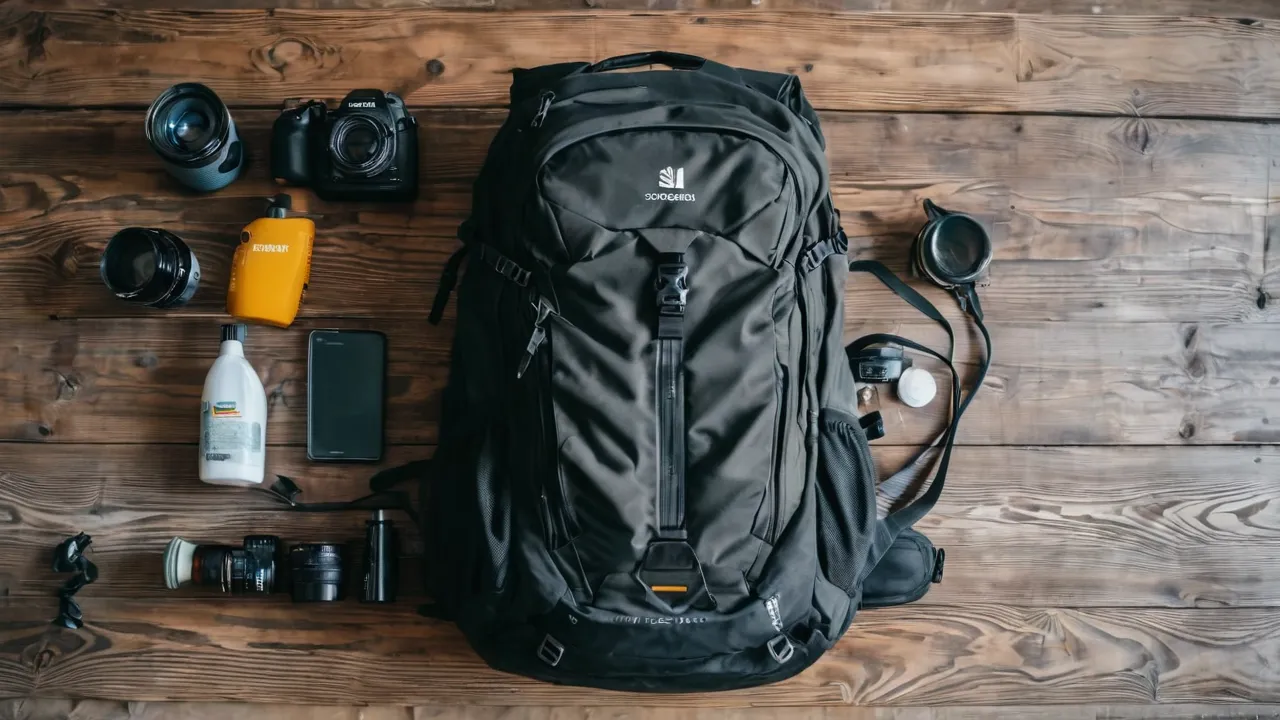
The safest way to wash a backpack is by hand with lukewarm water, a soft brush and mild soap, never in a washing machine. Machines tumble the pack, which can peel waterproof coatings, bend stays and tear stitching. Spot clean first, wash fully only when needed, air dry away from heat, and refresh the water repellent finish afterward.
Check the Label Before You Touch Water
Start by finding the care tag, usually sewn inside the main compartment or under a flap. Some manufacturers also publish instructions on the product page. Follow those first, because they reflect what the materials can tolerate. If the tag says do not wash, or only spot clean, respect it.
Next, empty every pocket, including the small ones near the bottom where crumbs, tissues and loose coins hide. Shake the pack upside down over a trash can. Use a vacuum with a brush attachment to pull out sand and crumbs from seams. If the pack has a removable frame sheet, foam back panel, rain cover or laptop sleeve, take them out, because they can trap moisture.
Check for damage that water will worsen. Frayed seams, loose threads, cracked coating and worn zipper tape should be noted. Cleaning does not repair these, and soaking a pack with a failing seam can accelerate the problem. If you plan to keep the bag, our guide to the long-term life of travel backpacks lists the wear signs to watch.
Spot Cleaning: The First Step for Most Packs
Most backpacks need spot cleaning more often than a full wash. Mix a few drops of mild soap, such as a gentle dish soap or a fragrance-free fabric cleaner, in a bowl of lukewarm water. Dip a soft brush or cloth in the suds and rub the stain in small circles. Rinse the cloth in clean water and wipe away the soap residue. Repeat until the area is clean.
Pay attention to places that collect the most grime:
- Shoulder straps and the back panel, where sweat and skin oils build up.
- The base, which touches floors and wet pavement.
- Zippers, where a toothbrush can clear grit.
- Interior seams, where food crumbs and powder collect.
- The haul loop and top handle, which hands touch constantly.
Avoid bleach, harsh stain removers and solvents. They can strip dyes and weaken fibers. Skip hot water, which can shrink some foams and cause coatings to wrinkle.
Hand Washing a Whole Pack
When spot cleaning is not enough, fill a bathtub or large basin with lukewarm water and add a small amount of mild soap. Close all zippers so the teeth do not catch fabric. Submerge the pack and gently scrub the outside with a soft brush. Turn it inside out if the lining is dirty and the construction allows it, and clean the interior with a cloth.
Let the pack soak for a short time, no longer than the manufacturer suggests, then drain the water and rinse with clean water until no suds remain. Soap left in the fabric can attract dirt and affect water repellency. Press water out by squeezing gently, rather than twisting. Wringing a pack bends stays and deforms the shape.
For smells, a mixture of water and a little white vinegar on a cloth can help, followed by a rinse. Baking soda sprinkled inside and left overnight absorbs odors, then vacuum it out.
Why a Washing Machine Harms Packs
Machine washing looks tempting, but it creates several problems. The agitator and the drum tumble the pack and strike the frame, which can bend or break internal stays and foam. Waterproof or water-resistant coatings on the inside of the fabric can crack or delaminate with repeated tumbling and heat. Buckles and clips can bang against the drum and chip, and the stitching around straps and haul loops takes stress as water-heavy fabric swings.
Detergents are another issue. Standard laundry detergents often contain surfactants, brighteners and fragrances that strip durable water repellent finishes. A pack that sheds rain before washing may soak it up afterward. If a care tag explicitly allows machine washing, use a delicates cycle, cold water, a mesh laundry bag and no fabric softener, but even then hand washing is the gentler choice.
Drying the Right Way
Hang the pack upside down with all pockets open, in a shaded, ventilated spot. Stuff towels or crumpled paper into the main compartment to help it hold its shape and soak up moisture, replacing them as they dampen. Keep it away from radiators, heaters and direct sunlight, since heat can warp foam and ultraviolet light weakens fabric.
Do not put a backpack in a tumble dryer. Heat can melt coatings and glue, and the tumbling can crush the back panel. Drying can take a day or two, and the inside should be fully dry before storage, because damp storage invites mildew. Our guide on how to store luggage explains why damp bags grow mold.
Refreshing the Water Repellent Finish
A durable water repellent finish makes water bead on the outer fabric. It wears with abrasion and washing. After the pack is clean and dry, you can restore it with a wash-in or spray-on product designed for outdoor gear, following the label. Spray products suit backpacks better, since they treat the outer fabric without soaking the foam. Apply in a ventilated area, and let the pack dry as directed.
Some finishes revive with gentle heat, such as a low-heat tumble in a dryer, but that is risky for packs, so check the care tag before trying anything. A water repellent finish helps shed light rain, but it does not make a pack waterproof. For heavy rain, use a rain cover or line the interior with a dry bag.
Special Cases: Leather Trim, Mesh and Frames
Not every pack is plain nylon, and a few materials need their own treatment. Leather or faux leather trim on handles and bases should not be soaked. Wipe it with a barely damp cloth, dry it at once and use a leather conditioner only if the trim is genuine leather and the maker allows it. Soaking leather causes stiffness and dark marks as it dries.
Mesh pockets and breathable back panels trap sweat and dust. Rinse them with clean water and a soft brush, then squeeze out the water. Foam pads under the mesh keep moisture for a long time, so give them extra drying time and press them with a towel. If the foam has a persistent odor, a second rinse with diluted vinegar and a long air dry often helps.
Metal frames and plastic stays are another reason to avoid heavy agitation. If the stays are removable, take them out before washing, and wipe them separately. If they are sewn in, handle the pack gently and avoid bending it.
Salt, sand and sunscreen
After a beach trip, rinse the pack in fresh water, because salt crystals abrade fabric and corrode zipper sliders. Sand lives in seams and pocket corners, so turn pockets inside out when possible and shake or vacuum. Sunscreen and bug repellent can stain fabric and soften coatings, so wipe spills quickly. Our travel and luggage guides collect more care routines.
Zipper care after washing
Once the pack is dry, rub a little zipper lubricant or a graphite pencil along the teeth. Run the slider back and forth to spread it. A dry, clean track slides with less force and puts less stress on the stitching around it, which extends the life of the whole pack.
Who Should Wash and How Often
Wash in full only when a pack is visibly dirty, smells strongly or has absorbed sticky spills. Spot clean monthly if you carry it daily, and after trips with exposure to mud or salt. Skip machine washing for any pack with a frame, a foam back panel or a coated interior. Skip washing altogether if the label says not to, and call the maker for advice on a stain. For how we judge care-friendly construction, see the how we review page, and compare packs in the backpacks category.
A simple schedule keeps the work small. These intervals are general starting points, so adjust them for how hard you use the pack and follow the care tag.
- After every trip: empty all pockets, shake out crumbs and sand, and let the pack air out open before storing it.
- Monthly, if carried daily: wipe the straps, back panel and base with a damp cloth and mild soap.
- After beach, mud or salt exposure: rinse with fresh water and dry fully the same week.
- Once or twice a year, or when it is visibly dirty or smells: hand wash the whole pack.
- When water stops beading on the surface: clean the pack and refresh the water repellent finish.
- Every few months: check zipper tracks, stitching at the straps and the coating inside for peeling.
Store the clean pack in a cool, dry place, loosely stuffed with paper or a towel so the shape holds, and away from hot attics or car trunks that age coatings.
Frequently Asked Questions
Can I put a backpack in the washing machine?
The safest answer is no. Tumbling can peel waterproof coatings, bend stays and foam, and strain stitching around the straps. Hand washing with lukewarm water and mild soap is gentler. If the care tag explicitly allows machine washing, use a delicates cycle, cold water, a mesh bag and no fabric softener.
How do I get the smell out of a backpack?
Wipe the inside with a cloth dampened with water and a little white vinegar, then rinse it with clean water. You can also sprinkle baking soda inside, leave it overnight and vacuum it out. Dry the pack fully in the shade with the pockets open, because damp storage causes mildew.
How do I make a backpack water repellent again?
Clean and dry the pack, then apply a spray-on or wash-in treatment made for outdoor gear, following the label. Spray products suit backpacks well because they treat the outer fabric without soaking the foam. Apply in a ventilated area and let it dry as directed. It sheds light rain but does not make the pack waterproof.
How often should I wash a travel backpack?
Spot clean as needed, about monthly for a pack carried daily, and give it a full hand wash only when it is visibly dirty, smells strongly or has soaked up sticky spills. Washing too often wears the water repellent finish and coatings. Always check the care tag first.
Final Thoughts
Treat cleaning as maintenance, not a chore to speed through. Spot clean early, hand wash gently with mild soap, rinse thoroughly, and dry in the shade with the pack open. Skip the machine, skip harsh chemicals and renew the water repellent finish when water stops beading. A little care keeps coatings, stays and zippers working for many trips.
Related buying guides
- Carry-On Backpack Dimensions: Will It Pass the Gate
- Carry-On Backpack vs Rolling Suitcase: How to Decide
- Fixed vs Removable Laptop Sleeve in Travel Backpacks
About the author

The BuyOnceChoice Editorial Team researches durable products worth buying once. Our guides compare published specifications, warranty terms, expert review consensus, and verified owner feedback. We do not conduct our own product trials. See How We Review and our Editorial Policy for our standards.