Expandable vs Non-Expandable Suitcases: Trade-Offs
The extra zipper adds room but also a weak spot and a sizing catch. Learn when expansion helps, when it hurts and how to pick without regret.
 By BuyOnceChoice Editorial Team
Updated November 16, 2026
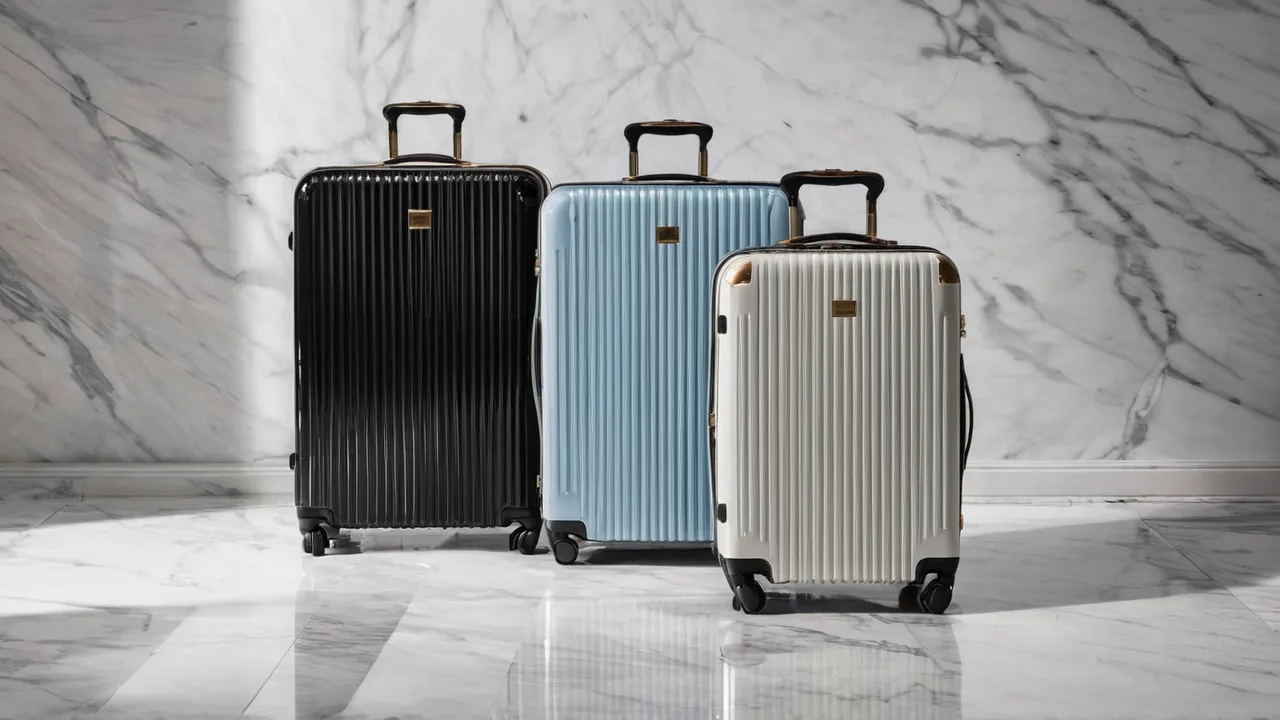
Choose an expandable suitcase if your trips often end with more stuff than they began with, and choose a non expandable one if you pack light, value shell strength and fly with tight carry-on rules. Expandable versus non expandable luggage comes down to one extra zipper and one extra inch or two of depth, and both change how the bag behaves at the airline sizer and over years of use.
How Expansion Works
An expandable suitcase has a second zipper that runs around the case. Unzip it and the shell opens to reveal a fabric gusset, which adds depth, usually an inch or two. On softside bags the expansion is built into the main fabric body. On hard shells it often appears as a seam where the lid and base slide apart.
The extra depth increases capacity by a modest amount, often described by brands in liters or as extra inches. Because manufacturers use different measurement styles, check the stated expanded and unexpanded dimensions on the product page rather than relying on adjectives like roomy.
A non expandable suitcase has a fixed shell with no gusset. That means one fewer zipper and a more rigid structure, particularly on hard shells, which can use a single clamshell form without a seam to flex.
The Zipper Risk
The expansion zipper is a failure point. It runs a long distance around the case and is under strain whenever the bag is overstuffed, whether expanded or not. When you pack to the limit and pull the main zipper closed, the expansion zipper sits right beside it and shares the load. A bulging case can force both zippers apart.
Owners often describe the same pattern: a bag packed tight, a zipper that starts to separate near a corner, and a track that never closes smoothly again. This is a main reason to inspect the slider and teeth before purchase. Our luggage zipper guide explains tooth size and slider wear.
You can limit risk by using the expansion deliberately. Open it before you pack so the main zipper is not under stress, and close it again when you do not need the room. If you do not trust the zipper, choose a design with the expansion zipper protected by a flap or a recessed channel.
Airline Sizing When Expanded
This is the catch many travelers miss. Airline carry-on limits apply to the bag as you present it. An expanded carry-on can exceed depth limits and will not fit a sizer. Many bags state two sets of dimensions, one expanded and one compact. Only the compact numbers match a typical carry-on rule, and rules vary by airline and fare, so confirm with your carrier.
If you plan to use expansion on the way home, do it only on checked luggage or if you know the airline allows it. Gate agents can make you check a carry-on that looks overfilled. A non expandable carry-on avoids that ambiguity, because its dimensions never change.
Checked bags have linear inch limits, which add height, width and depth. Expansion pushes the depth up, which can move a bag over a limit even when its weight is fine. Many airlines set the checked limit at a total of 62 linear inches, but confirm the figure for your carrier. Our international luggage size guide covers how to verify limits.
Shape, Weight and Packing Style
Expandable bags tend to be softside, where the fabric gusset suits the material. They are slightly heavier because of the extra zipper and hardware. They also pack differently: with expansion open, the case becomes deeper, so items sit in a thicker stack and you can add a layer on top. Non expandable bags keep a consistent shape, which helps when you use packing cubes sized to the interior.
Hard shell luggage is more often non expandable, because a rigid shell does not flex. That gives better impact resistance and a cleaner look. If you buy a hard shell with expansion, check how the seam is sealed and whether the shell stays aligned when open.
Who Benefits From Expansion
Expansion is useful in particular scenarios:
- You shop on trips and need space for gifts or souvenirs.
- You fly with a checked bag that has weight room but no volume room.
- Your clothing is bulky, such as winter layers.
- You sometimes carry gear for others, such as a child’s items.
It is less useful if you travel with only a carry-on, always pack light, or worry about zipper durability.
Verdict by buyer type: a frequent carry-on flyer should lean non expandable; a souvenir shopper or a family packer who checks one large bag should lean expandable; a minimalist who owns a second duffel for overflow can skip expansion entirely.
A Packing Method That Protects the Zipper
How you use the bag matters as much as which version you buy. Follow a simple routine. First, decide before you pack whether you need the expansion, and open it from the start rather than adding it halfway. Second, load heavy items near the wheels and the back panel, so weight sits low and the case does not bulge at the top. Third, place soft items such as sweaters at the edges, where they cushion the zipper line and fill gaps without pushing outward.
Next, close the main zipper slowly from one end to the other. If you feel resistance, stop and rearrange rather than forcing it. Pushing the slider through a tight spot is what damages teeth and loosens sliders. Press down on the lid with your hand or knee to compress the contents, then zip. If the bag only closes with that much pressure, the load is too large for the case.
Check the bag after expansion
Once you have expanded the case, give it a moment of inspection. Stand the bag upright and watch whether it leans or tips. A stable bag has a rigid base and a matched weight spread. Expansion tends to make a bag slightly taller on its short axis, and if the wheels are set close together the case may feel top heavy. Roll it a few steps to see whether it tracks straight.
Compressing back down
When you return home and no longer need the extra room, close the expansion zipper before storage. Leaving it open stretches the gusset fabric and can cause sagging. Empty the bag fully, clean grit from the track, and store it flat or upright, as the maker suggests. A bag stored with the expansion open and stuffed with other items will often warp.
What owners tend to regret
Buyers describe two kinds of regret. The first is buying an expandable bag, never using the expansion, and paying a weight penalty for nothing. The second is buying a non expandable bag and finding it too small after a trip with unplanned purchases. If you are unsure, browse the luggage sets category and the wider travel and luggage guides, then consider the other items you own. A traveler who already has a duffel for overflow does not need expansion, while someone with only one suitcase might.
How to inspect an expansion zipper before buying
Run the slider along the full expansion track with the bag open and closed; it should travel without catching or leaving gaps. Look at the teeth near corners, where strain concentrates, and check whether the zipper sits behind a protective flap. Tug the fabric on either side of the track: stitching that looks thin or pulls at the tape suggests the zipper will separate first when the bag is overfilled. Also read the warranty wording to see whether zipper failures are covered or excluded as normal wear.
Who Should Choose Which
Choose expandable if you want one bag to cover small and large trips, accept a bit more weight and plan to open the expansion before packing. Choose non expandable if you fly with carry-ons, prefer a rigid shell, or want fewer parts that can break. Skip expansion if you tend to overpack, because it encourages heavier loads that strain every other component. Browse our softside luggage roundup for fabric designs that include expansion, and read the how we review page for how we weigh convenience features against durability.
Frequently Asked Questions
Can I use the expansion on a carry-on suitcase?
Usually not at the airline sizer. An expanded carry-on is deeper than the stated limit, and gate agents can ask you to check it. Use expansion only after you have checked the bag or confirmed your airline’s rule, and always compare the compact dimensions with the carrier’s published carry-on size.
Do expandable suitcases break more often?
They add a second zipper and a gusset seam, which are extra places for wear, so the risk is somewhat higher if you overstuff. Open the expansion before packing, avoid forcing the slider, and inspect the teeth and slider before you buy to keep that risk low.
How much extra space does expansion add?
Most designs add about an inch or two of depth, which brands may describe in liters or extra inches. The real gain varies by model, so read the expanded and compact dimensions on the product page instead of relying on words like roomy.
Final Thoughts
Expansion is a convenience with a cost. It gives you extra capacity but introduces another zipper, extra weight and a carry-on sizing trap. Compare the compact and expanded dimensions, inspect the zipper and decide whether your trips truly need flexible volume. If you rarely return with more than you left with, the simpler, non expandable bag will usually last longer.
Related buying guides
- How to Fix a Stuck or Split Luggage Zipper
- Soft Luggage vs Hard Luggage for Fragile Items
- Hardside vs Softside Luggage: Which Lasts Longer
About the author

The BuyOnceChoice Editorial Team researches durable products worth buying once. Our guides compare published specifications, warranty terms, expert review consensus, and verified owner feedback. We do not conduct our own product trials. See How We Review and our Editorial Policy for our standards.