Rolling Backpack vs Wheeled Duffel for Carry-On Trips
Hybrid bags blur the line between luggage and packs. See how a rolling backpack and a wheeled duffel differ in carry, access, weight and stairs.
 By BuyOnceChoice Editorial Team
Updated November 16, 2026
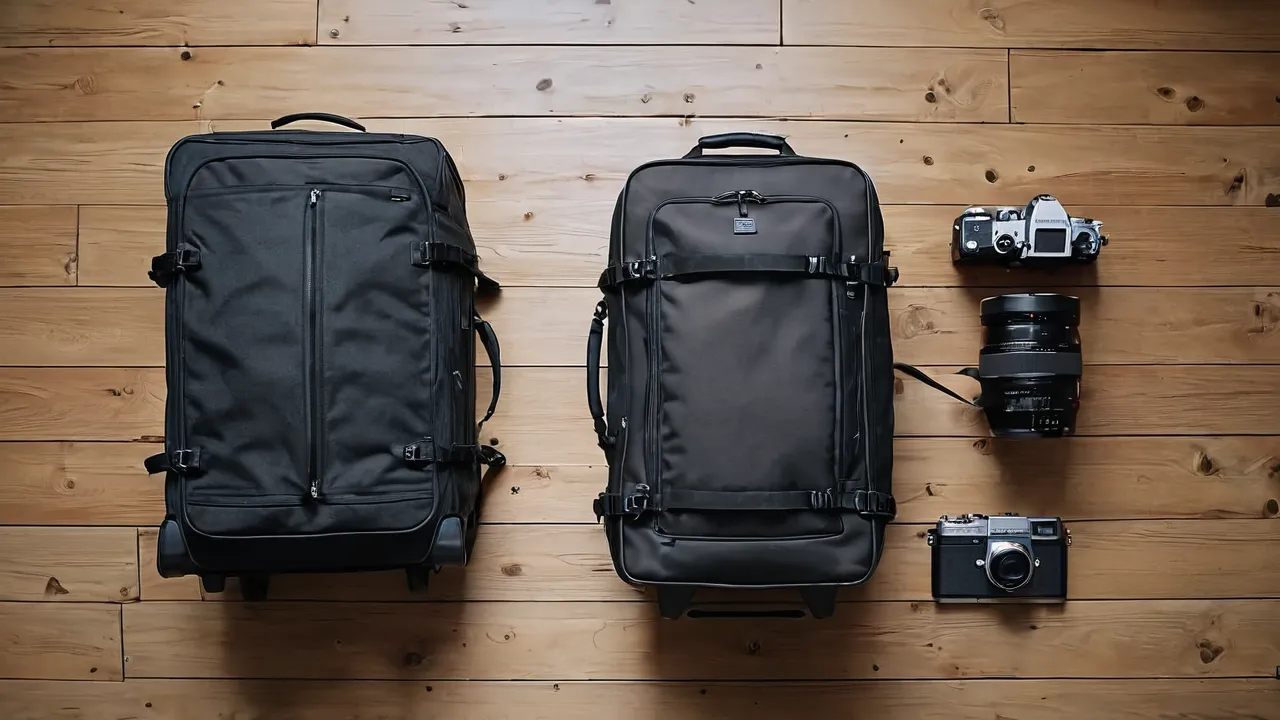
A rolling backpack suits you if you need to carry the bag on stairs or rough ground at least part of the time, and a wheeled duffel suits you if the bag will roll nearly everywhere and you want larger, easier packing. The rolling backpack gives up some capacity and adds weight to gain shoulder straps. The wheeled duffel gives up carry comfort to gain simple, roomy loading.
What Each Format Actually Is
A rolling backpack is a backpack with a handle and wheels built in. It has shoulder straps, usually a padded back panel and a frame or panel that houses the telescoping handle. It looks like a pack and can behave like a small suitcase. The wheels sit in the base, and the handle runs down the back, which means the back panel carries extra structure and some hardware.
A wheeled duffel is a duffel bag, a large soft cylinder or rectangle with a single main compartment, fitted with two wheels at one end and a handle. It may include hand grips and detachable shoulder straps, but carrying one on your back is not the main idea. Most are a single large opening with no internal frame.
Our readers often meet both formats when they browse hybrid options in the backpack category. The difference is easiest to remember by asking what the bag does when the wheels stop being useful. A rolling backpack becomes a pack. A wheeled duffel becomes a heavy bag you carry by the handles.
Carrying Comfort and Stairs
If your trip includes train stations without elevators, old city stairs, cobblestones, boats or crowded buses, the ability to switch to straps matters. A rolling backpack lets you move through those sections hands-free. Look for padded shoulder straps and a back panel, preferably with stowable straps that zip behind a panel so they do not snag on a conveyor.
The carrying weakness of hybrids is the hardware in the back panel. The handle assembly, the frame and the wheels add weight and a stiff surface against your back, so the pack carries less comfortably than a true backpack. For short distances it is fine. For long walks with a full load, many owners find a hybrid awkward.
A wheeled duffel usually has hand grips and a removable shoulder strap. That is fine for a few steps or a car trunk. It is not meant for a long carry, and stairs mean lifting it by the grips.
Packing Access and Capacity
Duffels offer the most generous packing. A big opening lets you drop in bulky items such as boots, sports gear or a camera case, and a rectangular shape makes it easier to stack. Many wheeled duffels have a long U-shaped zipper that opens wide, and some include an end pocket for shoes.
A rolling backpack typically loads from the front through a clamshell or panel-style opening, with a divided interior. It organizes small items well but handles bulky or irregular items less easily. It also loses interior volume to the frame and handle housing, so the stated capacity is not the same as usable packing room. Compare packed dimensions, not just liters, and read our backpack liters guide for a method to translate capacity into clothing.
Weight, Durability and Airline Fit
Both hybrids weigh more than their non-wheeled cousins, so look at the empty weight on the product page. Weight matters because it eats into your carry-on and check-in allowances. Airlines set carry-on dimensions and sometimes weight, and sizes vary by carrier and fare class, so always confirm.
A rolling backpack must fit in an overhead bin, and a stuffed one can bulge. Check the stated external dimensions including wheels and handle. A wheeled duffel is soft and compressible, which helps in a tight bin or sizer, but the bottom has a rigid base for the wheels, so you cannot crush it entirely.
Durability depends on the weak points: the handle tubes and the wheel housings. Handles with a straight, double tube tend to feel more stable than a single central rod, and wheel housings that sit in recessed bays are more protected. Soft duffels with a thin base can sag and drag on the ground. Look for a reinforced base panel and sturdy stitching at the handle mounts.
Choosing by Trip Type
Think about the three most common scenarios.
City and airport trips
If you stay on pavement and airport floors, a wheeled duffel gives the biggest capacity for the price and loads easily. A rolling backpack is a better tool if you also expect long transfers or subway stairs.
Mixed terrain and backpacking style travel
Choose a rolling backpack, preferably one with a decent suspension. If most of your route is carrying, skip the hybrid and consider a true travel backpack instead.
Sports and gear heavy trips
The duffel wins. Bulky and oddly shaped gear fits more easily, and a wheeled base saves your shoulders for the long walk through the terminal.
Features Worth Checking on Either Format
Because hybrids combine two bag types, small construction details decide whether they work. Start with the handle. On a rolling backpack, the handle should lock at more than one height and should not twist side to side when you pull. On a wheeled duffel, the handle often telescopes from the end opposite the wheels, and a long handle matters if you are tall because a short one makes the bag drag at your heels.
Check the wheel type. Inline skate-style wheels roll well on smooth floors and are common on both formats. They are stable when you tow the bag behind you but cannot spin sideways. Small, hard plastic wheels get stuck in pavement cracks, while larger wheels with a softer tread handle bumps better. Look for wheels that sit inside a protective housing rather than hanging off the base.
Next, look at how the bag stands. A rolling backpack that cannot stand upright is annoying at security lines, because you have to hold it or lay it down. A duffel with a flat, reinforced base stands more reliably. If the product photos show the bag standing, that is a good sign.
Organization and access
Duffels usually have one large compartment, so packing cubes are almost essential to keep clothes tidy. Rolling backpacks have more pockets, which is good for small items but means you must remember where you put things. External pockets for a water bottle or a jacket make a difference when you are moving through a terminal, and a quick-access pocket for travel documents saves time.
Weather and water
Both formats sit near the ground, so the base fabric faces puddles and wet pavement. A coated, waterproof base panel helps. Zippers with a protective flap or a water-resistant design keep rain out, though no soft bag is fully waterproof unless the manufacturer states it. Read the description for a specific claim, and follow the product’s care instructions.
Repair and replacement
Wheels and handle tubes are the likely failures in either format. Before you buy, look for a manufacturer statement about replacement parts or repair, and read the warranty terms to see whether wheels and handles are covered. Our luggage warranty guidance explains what to ask.
Verdict by buyer type
| Buyer | Better fit | Why |
|---|---|---|
| Commuter with stairs and trains | Rolling backpack | Straps free your hands on stairs |
| Airport-only traveler with bulky items | Wheeled duffel | Wide opening and simple loading |
| Sports or gear traveler | Wheeled duffel | Odd shapes fit and wheels save your shoulders |
| Backpacker with long carries | Neither; consider a true travel backpack | Hybrid hardware is heavy on the back |
Use the table as a starting point and check the empty weight and handle build before you commit. If your trips mix both situations, favor the format that handles your hardest segment, since easy segments are easy in either bag.
Who Should Choose Which
Choose a rolling backpack if you want flexibility, face stairs or rough ground regularly and travel with a modest load. Choose a wheeled duffel if you will roll almost everywhere, pack bulky gear and value easy loading and a lower profile. Skip both if your trips need long carries with heavy loads, in which case a proper pack is better, or if you need a rigid, organized suitcase, in which case look at luggage sets. See the method behind our picks on the how we review page.
Frequently Asked Questions
Is a rolling backpack better than a wheeled duffel?
It depends on the route. A rolling backpack suits trips with stairs, rough ground or crowded transit because you can switch to shoulder straps. A wheeled duffel suits trips where the bag rolls nearly everywhere and you want roomy, simple loading.
Can a rolling backpack be carried comfortably?
For short distances, yes. The handle assembly, frame and wheels add weight and a stiff surface against your back, so a hybrid is less comfortable than a true backpack on long walks with a full load. Check padding and stowable straps.
Do wheeled duffels fit in airline overhead bins?
Often, because they are soft and compressible, but the base is rigid for the wheels, so you cannot crush it fully. Check the stated outside dimensions including wheels and handle, and compare them with your airline’s carry-on limit. Confirm the numbers before you travel.
Final Thoughts
These hybrids solve opposite problems. A rolling backpack adds wheels to a bag meant for your back, and a wheeled duffel adds wheels to a bag meant for your hand. Decide how much of your trip involves carrying and how bulky your gear is, then compare empty weight, usable volume and the handle and wheel construction before you choose.
Related buying guides
- Travel Backpack Size Guide: Liters for Every Trip Length
- Travel Backpack vs Duffel Bag vs Suitcase
- Travel Backpack Warranty Guide: Brands That Repair for Life
About the author

The BuyOnceChoice Editorial Team researches durable products worth buying once. Our guides compare published specifications, warranty terms, expert review consensus, and verified owner feedback. We do not conduct our own product trials. See How We Review and our Editorial Policy for our standards.