Multi Tool Care and Repair: Keep It Working for Decades
A few minutes of cleaning, oiling and screw checks keep a multitool smooth and safe. Learn the routine and when to send it back for repair.
 By BuyOnceChoice Editorial Team
Updated November 16, 2026
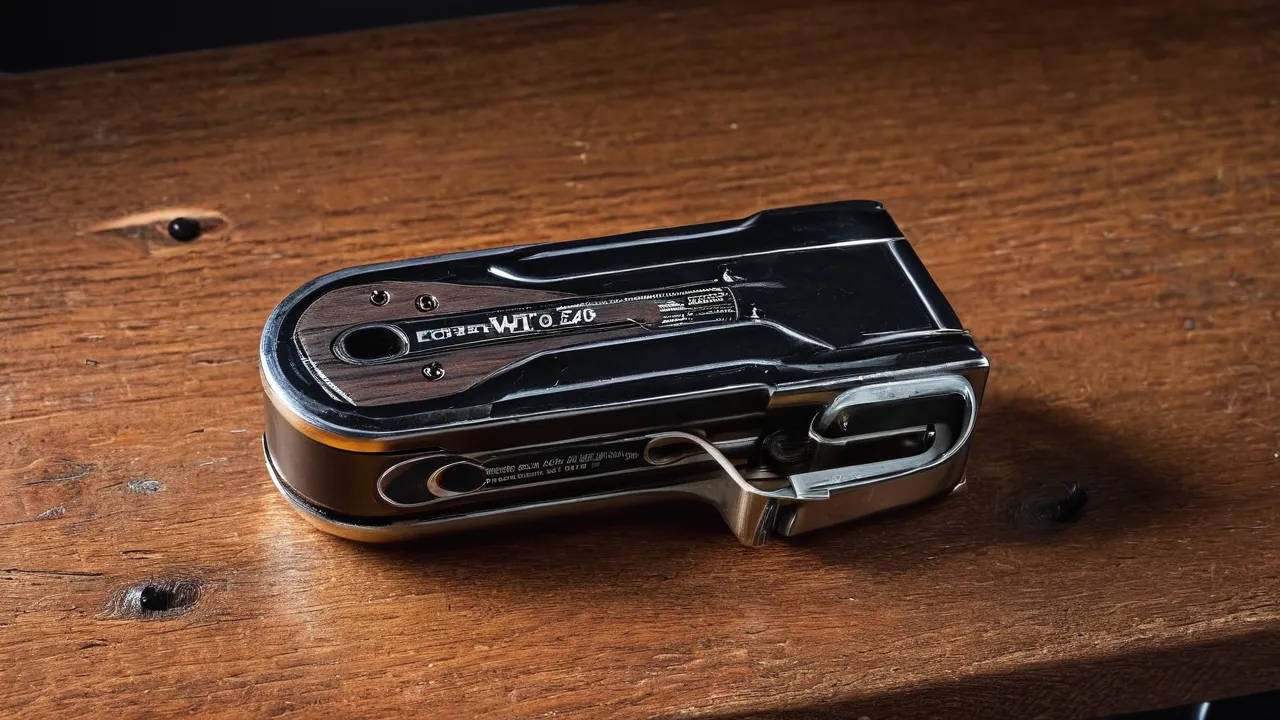
To maintain a multitool, clean out lint and grit with a brush and warm soapy water, dry it fully, put a drop of light oil on each pivot, check screws and locks, sharpen the blade, and store it dry. Repeat that routine every month or two for a tool you carry daily. If a lock fails or a part breaks, stop using the tool and look into the maker’s repair or warranty route.
Why maintenance matters
A multitool collects pocket lint, dirt and moisture in its joints. The grit wears pivots, makes tools stiff and can stop a lock from engaging. Moisture rusts steel parts. A little routine care keeps tools opening smoothly and the locks working, which matters for safety, since a blade that closes on a hand is a real injury risk.
Daily carry multitools suffer the most. Lint from clothing packs into the joints, and sweat adds moisture and salt. Tools in a toolbox collect dust and grease. Work gloves transfer grit. Look at where your tool spends its time, and set your care routine accordingly. A tool carried every day may need a quick brush weekly, while one in a drawer may need attention a couple of times a year.
Cleaning
Open all the tools and brush out debris with a small stiff brush or a toothpick. Wash the tool in warm water with mild soap, working the tools open and closed to flush out grit. Use compressed air to blow out stubborn lint, and wear eye protection. Dry the tool thoroughly, since water trapped in pivots rusts parts. Avoid soaking in harsh solvents, which can strip lubricant and damage coatings.
If the tool has been exposed to salt water, rinse it in fresh water at once and dry it fully. Salt crystals attract moisture and attack steel. A toothbrush works well for the pliers jaws and the grooves in handle liners. Take care with spring-loaded parts, which can pop out if you pry at them. Do not disassemble the tool beyond what the maker’s manual describes, since small springs and washers are easy to lose.
Pliers jaws deserve a closer look because they collect metal shavings and wire cuttings. Clear the teeth with a brush, and check the wire cutters for nicks. If the cutters no longer meet cleanly, they will crush rather than cut wire, which is a sign of wear. Some makers offer replaceable cutters. If yours does, swap them out when they dull, and the tool is back to full service.
Lubrication
Put a drop of light oil on each pivot, work the tool open and closed several times, then wipe away the excess so that it does not attract dust. Choose a lubricant recommended by the maker if there is one. If the tool is used around food, use a food safe lubricant. Too much oil collects grit and makes a mess, and a thin film is plenty.
Wipe the blade lightly with an oiled cloth if it is not highly stainless, then remove the excess. If the tool has a ratcheting or locking mechanism, follow the maker’s advice about lubricating it. Do not use cooking oil, which goes rancid, and avoid heavy greases that attract dirt. A little of the right lubricant protects for months.
Screws, locks and wear checks
- Check that pivot screws are snug, using the right driver or key
- Use a thread locking compound only if the maker allows it
- Check each lock by pressing the spine of the opened blade away from the edge, with the edge pointed away from you
- Look for play or wobble in the pliers jaws
- Look for cracks near pivots and handle liners
- Check that the pliers jaws meet evenly
Tighten screws a little at a time. Overtightening makes tools stiff or strips threads. If a screw keeps backing out, a small amount of removable thread locker may help, if the manual or the maker allows it.
A multitool with replaceable parts lets you swap a worn blade or a bent bit. Keep a few spare bits and a small driver set in your kit. If the pliers jaws have play, look for a screw or bushing that can be tightened. If the play persists after tightening, wear has gone too far, and the maker’s repair service is the right route. Do not use a loose tool on heavy work.
A lock that fails is a stop-use problem, not a tune-up problem. If the blade moves under light pressure on the spine, if the lock bar is bent, or if the blade has noticeable side play that tightening does not remove, put the tool aside until the maker has repaired or replaced it.
Sharpening and tool edges
Keep the knife blade sharp with a stone, rod or pocket sharpener, holding a steady angle. Wipe the blade clean after sharpening. Serrated edges need a tapered rod. Other tools such as scissors and saws can be sharpened or replaced as the maker advises. Do not use a knife blade as a screwdriver or a pry bar, since that chips tips.
| Symptom | Likely cause | Fix |
|---|---|---|
| Tools stiff | Grit or dried oil | Clean and re-oil |
| Lock does not engage | Debris or wear | Clean, inspect, repair if worn |
| Pliers jaws loose | Loose screw or wear | Tighten, repair if needed |
| Rust spots | Moisture | Remove with a fine abrasive and oil |
| Blade dull | Use | Sharpen |
Be careful with scissors and saw blades. Scissors are best sharpened with a tool made for them, and a saw blade may be better replaced than sharpened. File teeth wear with use and can be cleaned with a brush. If a tool blade is nicked, a few strokes on a stone usually fix it. Do not grind with a power wheel, since heat can ruin the temper of the steel.
A simple care schedule
- Weekly, for a tool carried daily: open every tool, brush out lint and wipe it down
- Monthly: wash, dry, oil the pivots and run through the screw and lock checks above
- Twice a year, for a tool kept in a drawer or vehicle: the same full routine, plus a look for rust
- After salt water, mud, sand or food use: clean it the same day
- Before a long trip or heavy job: check locks and the pliers jaws
Write the date on a tag or keep a note in your phone. A small, regular effort beats a heroic cleaning after something has already failed.
Repair and warranty
Many makers offer a repair or replacement program for defects and sometimes for wear. Read the warranty in the paperwork and keep your receipt. Contact the maker’s support, and follow their instructions for returning the tool. Do not attempt a repair that requires special parts or heat treatment, since you can weaken the tool. Check which parts are replaceable, such as blades and bits. A repairable multitool supports a buy once approach. See how we review for how we weigh repairability.
Before sending a tool in, document the problem with a few photos, note when it began and what you were doing. Clean the tool first, since support staff prefer to receive a clean item. Ask about the typical turnaround time and whether you pay shipping. Some makers will replace an unrepairable tool with a current model, which is worth knowing when you decide how long to keep an old one.
If your tool is old and out of production, parts may not be available, and a simple adjustment or cleaning might be your best option. A local knife shop or a tool repair shop can sometimes help, but ask them to explain what they will do before you hand it over. The multi tools and knives category and the hand tools category have more help.
Frequently Asked Questions
How do I clean a multitool that has gotten stiff?
Open every tool, brush out lint, then wash it in warm soapy water while working the tools open and closed. Dry it completely, add a drop of light oil to each pivot, and wipe off the excess. Stiffness usually comes from grit or dried oil, and this routine clears both.
What oil should I use on a multitool?
Use the lubricant the maker recommends if there is one. Otherwise a light machine oil works for most pivots, and a food safe lubricant is the better choice for tools that touch food. Avoid cooking oil, which turns rancid, and heavy grease, which traps dirt. One small drop per pivot is enough.
Can I take a multitool apart to fix it?
Only as far as the maker’s manual allows. Many models are meant to stay assembled, and small springs and washers are easy to lose or install wrongly. For a loose pivot screw, tighten a little at a time. For anything deeper, use the maker’s repair service.
What should I do if the blade lock stops holding?
Stop using the blade right away, because it can fold on your fingers. Clean the lock area first, since debris is a common cause. If the lock still does not hold firmly, contact the maker about repair or replacement under the warranty instead of continuing to use it.
Final Thoughts
A multitool is a small machine that rewards a few minutes of care. Clean it, oil the pivots, check screws and locks, sharpen the blade, and store it dry. Stop using any tool with a failing lock. Use the maker’s support for repair, and expect a tool that opens smoothly for years. A regular schedule that fits how you carry it matters more than any single deep cleaning.
Related buying guides
- Pocket Knife Laws and Carry Basics for US Buyers
- Pocket Knife Steel Guide: What Blade Steel Means
- How to Choose a Multi Tool: Features, Locks and Pliers
About the author

The BuyOnceChoice Editorial Team researches durable products worth buying once. Our guides compare published specifications, warranty terms, expert review consensus, and verified owner feedback. We do not conduct our own product trials. See How We Review and our Editorial Policy for our standards.