How to Choose a Multi Tool: Features, Locks and Pliers
A multitool earns its place through its pliers, its locks and whether it can be repaired. Use this guide to pick one you will carry for years.
 By BuyOnceChoice Editorial Team
Updated November 16, 2026
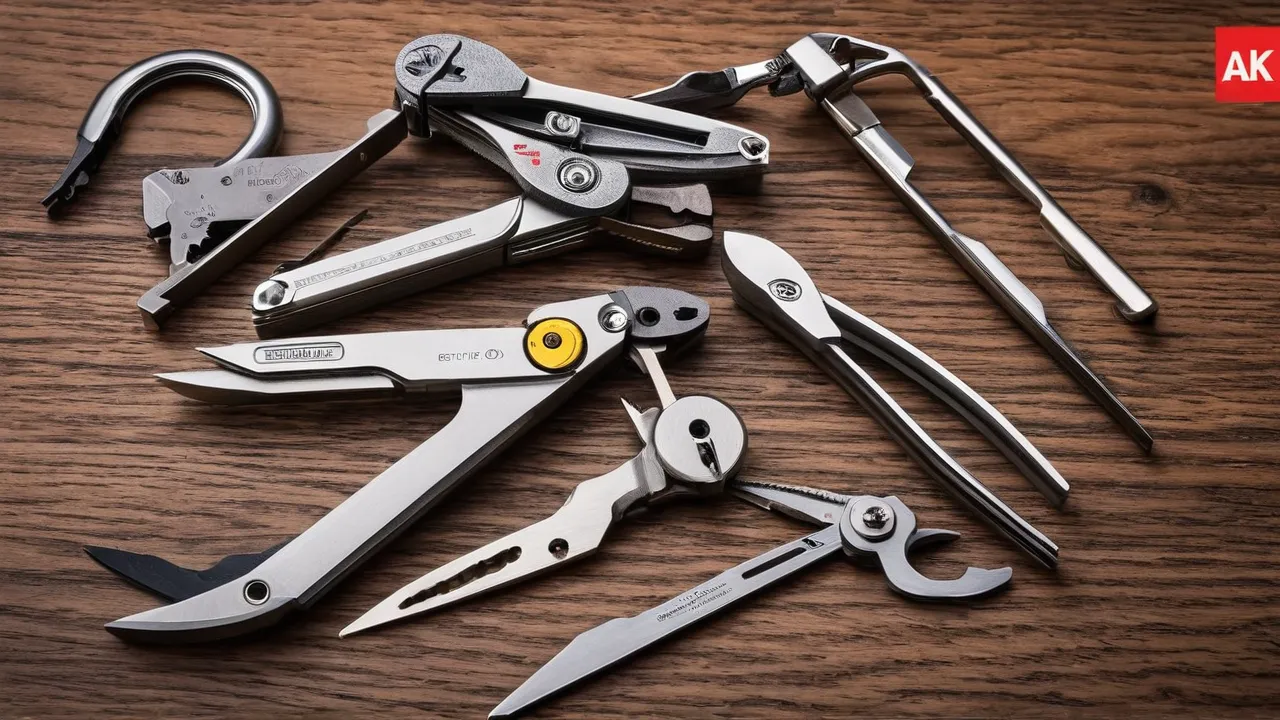
To choose a multitool, start with the pliers, because the plier head is the part you will use most, then check how easily you can reach the tools, whether the blades lock, and whether the maker offers repair and a clear warranty. Match the tool selection to what you actually do, not to the longest list of features. A good multitool is one you carry and use, so size and weight matter as much as the tool count.
Start with the pliers
The plier head is the core of a multitool. Needle-nose jaws grip small objects and reach into tight spaces, while regular jaws grip larger fasteners and wire. Check that the jaws meet evenly, that the teeth bite and that the hinge has little play. Look for a wire cutter that sits close to the pivot, where leverage is strongest, and for replaceable cutters if the maker offers them.
Spring-loaded pliers reopen on their own, which speeds repeated work such as bending wire or tightening nuts. They add a little complexity and cost. Fixed pliers are simpler and often lighter. Think about whether you grip or squeeze for long, because handle shape affects comfort. Rounded handles feel nice for light use, while flatter, squarer handles spread pressure better under heavy squeezing.
One-hand access and locking mechanisms
Some multitools put the knife blade and a few favorite tools on the outside of the handles so you can open them with one hand, without unfolding the whole tool. That helps when your other hand holds the work. Check that the outside tools open smoothly and close without pinching. A thumb stud or hole on the blade helps.
Locking matters for safety. A lock holds the blade or tool open under load so it cannot fold onto your fingers. Common styles include liner locks and frame locks, and each has a release you should be able to operate without placing fingers in the blade’s path. Open each tool, push against it gently from the cutting side and check that it stays open. Fiddly or weak locks are a reason to move on.
Blades and tool selection: what you will use
Write down what you do. Cut cord, open boxes, tighten small screws, strip wire, open cans, saw small branches, file metal, cut fabric. Then choose a tool that has those and not much else, since every extra tool adds weight.
- Knife blade: straight or serrated, ideally with a lock. A partly serrated blade handles rope and fabric.
- Screwdrivers: flat and Phillips, plus a bit holder if you want more drive types.
- Scissors: good for first aid, fabric and packaging.
- File and saw: handy for outdoor use, though small saws cut slowly.
- Wire stripper: useful for electrical hobby work, but not a substitute for a dedicated stripper.
- Can and bottle opener: small, and often on the outside.
Bit-driver multitools accept standard hex bits, which gives you the right drive for each screw. That is a strong option for people who drive many screw types, though the leverage is less than a full-size driver.
Size, weight and carry
Multitools range from keychain sizes to full-size pliers tools. A small tool is easy to carry but offers shorter handles and weaker pliers. A full-size tool offers more leverage but needs a belt sheath and weighs more. Think about where you will keep it: a belt, a pocket, a toolbox or a glove box. A tool you leave at home does not help.
Feel the handles. Small, sharp edges can bite into your palm when you squeeze. Check how the tool opens and closes, how the sheath holds it and whether it carries a clip or a lanyard ring. A tool that rattles or catches in a pocket tends to stay in a drawer.
Repairability and parts
A multitool takes abuse, and a pivot can loosen or a blade can chip. Some makers sell replacement parts or repair the tool. Tools held with screws are often serviceable, while riveted ones are not. Look for a maker that lists spare parts, a repair service or at least a clear policy on replacing worn parts. For a buy-once approach, a tool that can be tightened, cleaned and repaired lasts longer than a sealed one.
Care helps too. Rinse the tool after dusty or salty use, let it dry, put a drop of light oil on the pivots and wipe the blade. Check that screws are snug. Sharpen the blade with a small stone, and avoid prying with the blade, because a blade that snaps is a hazard.
Warranty: what to read
A warranty tells you how the maker thinks about durability, but read the terms. Look at its length, what it covers (defects, wear, breakage), whether it covers normal use, whether shipping is included and how to claim. Some makers cover a tool for its owner’s lifetime, others for a limited period, and some exclude misuse such as prying or hammering. A promise on a box means little unless the claim process is clear. Do not rely on a number you have not read in the manufacturer’s documents.
Rules, safety and travel
Blades are regulated. Many airports do not allow multitools with blades in carry-on bags, though checked bags are usually allowed, and rules change, so check the transport authority’s current guidance. Local laws also restrict blade length and locking blades in some places and in public buildings. Keep the tool out of reach of children, close the tool before you pocket it and cut away from your body. Wear eye protection when filing, cutting wire or prying.
Multitool or a knife and a pair of pliers?
A multitool shines when carrying space is tight and tasks are varied: camping, travel in a checked bag, a glove box, a boat, an emergency kit. A dedicated knife and pliers give better performance for each task, with a more comfortable grip and stronger leverage. If you work in a garage or a shop, you likely have both within reach, and a multitool is a backup. If you work in the field, a multitool in a belt sheath saves trips back to the truck. Choose by how often you need the tools at the same time and how far you are from the toolbox. You can browse options in our multi-tools and knives category, and the wider tools and garage section covers the full-size equivalents.
Common mistakes
- Buying the longest feature list and ending up with a heavy tool that stays at home.
- Ignoring the plier head, then finding that it slips or flexes.
- Skipping the lock check, which risks a blade closing on your fingers.
- Choosing a tool with weak spring action or loose pivots.
- Assuming every warranty is the same without reading the terms.
- Using the blade as a pry bar and snapping it.
Who should choose which
- Everyday carry: a compact tool with a good knife and pliers.
- Camper or hiker: a mid-size tool with a saw, file and good lock.
- Home fixer: a bit-driver model, or a full-size tool with scissors and a screwdriver.
- Vehicle kit: a full-size tool with strong pliers and a sheath.
- Electrician or hobbyist: a model with wire strippers and a bit holder, in addition to proper dedicated tools.
Read how we review for how we weigh tools like these.
A handling checklist for the store
Open and close every tool and note any that stick, wobble or feel gritty. Squeeze the pliers hard and watch for flex in the handles. Check that the lock releases cleanly without cutting your fingers. Close the tool and look for gaps where grit would collect. Try the one-hand opening several times with each hand if you are left-handed, since many designs favor right-handers. Pick it up with gloves if you wear them for work, because small tool handles can be hard to grip in gloves. If you buy online, read the specification for tool lists, weights and materials, and look for photos of the handles and the locking mechanism. Look at how the maker describes steel and finishes, and treat vague claims as marketing.
Care and long-term ownership
A multitool lasts longest when you keep it clean and dry, oil the pivots, tighten loose screws and use each tool for its purpose. Use the screwdrivers for screws and not for prying, use the saw for light cuts and not for logs, and replace a dull blade or have it sharpened. Keep a small kit with a stone, a drop bottle of oil and a cloth. A tool that is cleaned after muddy or salty days avoids corrosion, and a tool whose maker supports repair can last for decades.
Frequently Asked Questions
What should I look for in a multitool?
Check the pliers first, then the locks, one-hand access, the tools you will actually use, weight and the warranty. A tool with solid pliers, a reliable blade lock and parts you can service serves longer than one with a long feature list.
Are multitools allowed in carry-on bags?
Multitools with blades are generally not allowed in carry-on bags, and checked bags are usually the option. Rules vary by country and change over time, and local laws also limit blades in some public buildings, so check the transport authority’s current guidance and your local rules before you travel.
Is a bigger multitool better?
Not always. Larger tools give more leverage and comfort but are heavier and may stay at home, which defeats the point. Pick the size you will actually carry every day. A mid-size tool with solid pliers and a reliable lock is a good balance for many people, and a compact model suits a pocket.
How do I take care of a multitool?
Rinse off dirt and salt, dry it, put a drop of light oil on the pivots, wipe the blade and keep the screws snug. Sharpen the blade with a small stone and avoid prying with it, since a prying load is what snaps blades. Store it dry and open the tools now and then to keep them moving.
Final Thoughts
Choose a multitool by the pliers, the locks, the tools you will really use and the way it is built and supported. Handle a few if you can, read the warranty terms and think about where it will live. A tool that fits your hand, stays within the rules and can be repaired is worth more than a long list of gadgets.
Related buying guides
- Leatherman vs Swiss Army Knife: Which Fits Your Daily Use
- Multi Tool Care and Repair: Keep It Working for Decades
- Pocket Knife Laws and Carry Basics for US Buyers
About the author

The BuyOnceChoice Editorial Team researches durable products worth buying once. Our guides compare published specifications, warranty terms, expert review consensus, and verified owner feedback. We do not conduct our own product trials. See How We Review and our Editorial Policy for our standards.