Pocket Knife Laws and Carry Basics for US Buyers
Knife rules depend on blade length, lock type, carry method and location. Learn what usually matters and how to verify your state and city rules.
 By BuyOnceChoice Editorial Team
Updated November 16, 2026
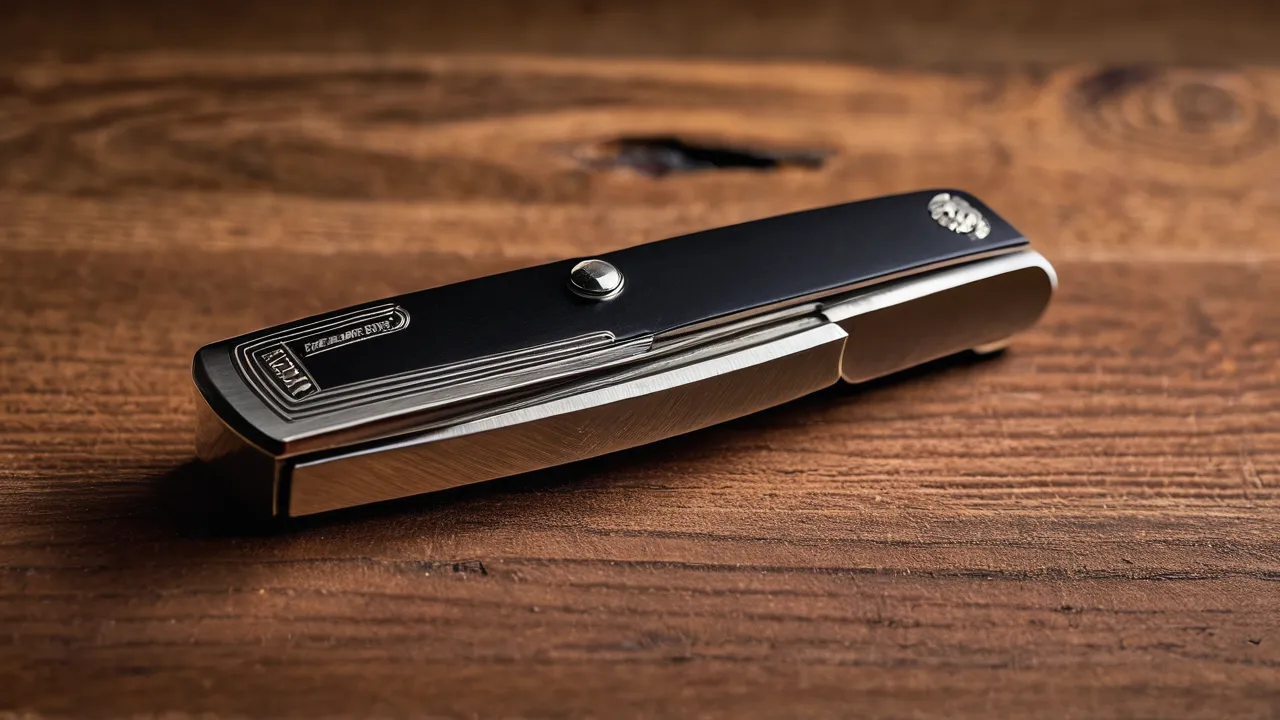
Pocket knife laws for carrying vary widely across the United States, and the features that most often decide whether a knife is legal to carry are blade length, lock type, whether it opens by hand, with an assist or automatically, whether you carry it openly or concealed, and where you are standing. This guide explains how to judge each factor, but it does not state your state or city rule, so check the current law where you live before you carry.
Why laws differ so much
In the United States, knife rules come from several layers: federal rules for particular places such as federal buildings and aircraft, state statutes, and city or county ordinances. A knife that is fine to carry in one state may be restricted in another, and a city may add limits beyond the state. Rules also change, so a summary that is a few years old may be out of date.
Courts and agencies interpret terms differently, so words such as dangerous weapon, switchblade or concealed may mean different things in different places. This is why asking an authoritative source matters more than relying on forum posts.
Some laws also draw a line between a knife and a tool. A kitchen knife, a utility knife and a work tool may be treated differently from a knife carried as a weapon, depending on the statute and the circumstances. Intent and context can matter. A contractor with a utility knife on a job site is in a different position from a person carrying the same knife into a bar. Context is a reason to think about where you will be, not only what you carry.
Features that commonly matter
| Feature | Why it can matter | How to judge it |
|---|---|---|
| Blade length | Some places set a maximum length | Find how the law measures it, then measure your knife that way |
| Lock type | Some rules treat locking blades differently from slip joints | Note whether the blade locks open |
| Opening method | One-hand, assisted and automatic openers are treated differently | Know which of the three yours is |
| Blade shape | Some rules refer to double-edged or dagger-like blades | Check whether the spine or edge is described |
| Carry method | Open carry and concealed carry can be treated differently | Check the rule for your clothing and bag |
| Location | Schools, courthouses, airports and venues have their own bans | Check the venue before you arrive |
These are common themes, not a guide to what is legal in your location. The right answer depends on the exact wording of the law that applies where you are.
Blade length is the most commonly cited limit, but it is measured differently. Some laws measure from the tip to the handle, and others measure the cutting edge only. A knife that looks acceptable on the box may measure differently under the statute. If a length limit applies where you live, measure the knife the way the law describes, and not the way the maker lists it. This detail has surprised many owners.
The opening method is the other common dividing line. Many laws separate a knife you open with two hands or a thumb stud from an assisted opener and from an automatic or switchblade, and the definitions are often technical. A knife marketed as a quick opener may fall under a rule you did not expect. Read the definition in the statute and compare it with how your knife actually opens, instead of relying on the product description.
Federal rules worth knowing
Some points come from federal sources and are easier to verify. Check each one on the official site before relying on it.
- Federal law on possession of dangerous weapons in federal facilities, 18 U.S.C. 930, defines the term so that a pocket knife with a blade under two and a half inches is outside it. Longer blades may be covered, and court buildings have extra rules
- The Transportation Security Administration does not allow knives in carry-on bags, apart from plastic or round-bladed butter knives, and generally allows knives in checked bags if they are sheathed or wrapped
- Federal law also restricts interstate commerce in switchblade knives, so retailers may not ship some opening styles everywhere
State and local rules apply on top of these, and they are the ones that usually matter day to day.
Where to check
- The state legislature website or official state code for knife statutes
- Your city or county ordinances, often on a municipal code website
- The state attorney general or police agency, if they publish guidance
- The rules of the specific venue, school or workplace
- Transportation authority rules if you are traveling by air or train
- A local attorney if you need advice for a specific situation
Print or save the text you rely on and note the date you checked. If a rule is unclear, ask the agency that enforces it, and do not rely on a retailer’s product description to tell you what is legal.
Plain-language summaries are available from some state agencies, outdoor organizations and legal aid groups, but treat them as starting points and confirm with the primary source. Be careful about outdated pages. Look for the date of the last update, and check that the page refers to the current version of the law. If a source cannot say when it was updated, treat the information as unverified.
Travel and special places
Airports and aircraft have strict rules about what may go in carry-on and checked baggage, and those rules are published by the transportation security agency, so read them before you pack. Many schools, government buildings, courthouses, stadiums and workplaces prohibit knives entirely, even small ones. When you cross state lines, the law of each state applies while you are there. Plan ahead by leaving the knife at home or packing it in a way the carrier permits.
Multitools with blades are treated like knives in many places. A tool with pliers and a blade may be restricted just like a plain knife. Check the rules for the exact tool you carry. For tool types and care, see the multi tools and knives category.
If you travel for work or sport, keep a short checklist: confirm the rules at your destination, avoid carrying a knife in a bag that will be screened, and put the knife in checked baggage only if the carrier allows it. Rental cars, hotels and event venues may have their own policies. When you change places, you change rules, and a habit of checking quickly avoids problems and confiscation of a good knife.
Choosing a knife with fewer concerns
If you want to reduce risk, many people choose a shorter, simple blade with a plain edge and a manual opening, such as a traditional slip joint design. These designs tend to draw fewer restrictions in many places, but that is a general tendency, not a promise, so still check. Avoid features that look alarming or that are specifically named in local laws. Carry the knife openly and responsibly, and keep it clean and in good repair.
Consider whether you really need a knife on your person at all times. Many daily tasks, such as opening packages, can be done with a small blade or a tool that is easier to carry in more places. Keep a knife in your bag or vehicle for places where it is allowed, and leave it at home when you visit a place where it is not. A practical approach respects the rules and keeps the tool useful.
Safe handling and etiquette
Treat a knife as a tool and not a toy. Cut away from your body, keep your fingers clear of the edge, and close the blade before putting it away. Do not display a knife in public in a way that may alarm others. Keep knives out of the reach of children. If asked to put it away at a venue, comply politely. Responsible use is part of staying within the rules.
Teach children and guests basic knife safety, and store knives where they cannot be reached. If you lend a knife, hand it handle first with the blade closed. If you find you cannot carry a knife where you spend your day, a small pair of scissors or a safe, simple tool may do some of the work, and a conversation with your employer about tools may help.
Frequently Asked Questions
Is it legal to carry a pocket knife in the United States?
Often yes, but it depends on the state, the city, the knife and the place. Features such as blade length, automatic opening and concealed carry can trigger limits, and many buildings and venues ban knives outright. Check your state statute and local ordinance, and the rules of any place you plan to enter.
Does blade length decide whether a knife is legal to carry?
Sometimes. Some jurisdictions set a maximum length, and they may measure it differently, from the tip to the handle or along the cutting edge only. Others set no length rule at all. Find the exact wording that applies where you are and measure your knife the way it describes.
Can I carry a pocket knife on a plane?
Not in a carry-on bag. Security rules generally bar knives from the cabin, with narrow exceptions for items such as plastic or round-bladed butter knives, while sheathed or wrapped knives may go in checked bags. Rules can change, so confirm on the TSA website and your airline before you pack.
Are one-hand opening and assisted knives treated differently?
In many places, yes. Laws often separate manual, assisted and automatic openers, and the definitions can be technical. A knife sold as an assisted opener may still be covered by a switchblade rule where you live. Read the statute’s definition and compare it with how your knife actually opens.
Final Thoughts
Rules for carrying a pocket knife depend on where you are, how you carry and what kind of knife you have. Learn the features that commonly matter, check the official state and local sources, and keep a record of what you found. When in doubt, leave the knife at home or choose a simpler design. For more on picking and caring for a knife, read the hand tools category and how we review.
Keep a note on your phone with the rules you checked, the date and the link. If the law changes, you will know that your note is old. If you are ever questioned, being able to show that you took the time to learn the rules is helpful, though it is no guarantee. This is general information, not legal advice, so ask a local attorney if your situation is unclear.
Related buying guides
- Pocket Knife Steel Guide: What Blade Steel Means
- How to Choose a Multi Tool: Features, Locks and Pliers
- Leatherman vs Swiss Army Knife: Which Fits Your Daily Use
About the author

The BuyOnceChoice Editorial Team researches durable products worth buying once. Our guides compare published specifications, warranty terms, expert review consensus, and verified owner feedback. We do not conduct our own product trials. See How We Review and our Editorial Policy for our standards.