Off Season Snow Blower Storage and Fuel Prep
Old fuel is the top cause of a snow blower that will not start. Learn when to stabilize or drain, plus oil, rust and storage steps for the off season.
 By BuyOnceChoice Editorial Team
Updated November 16, 2026
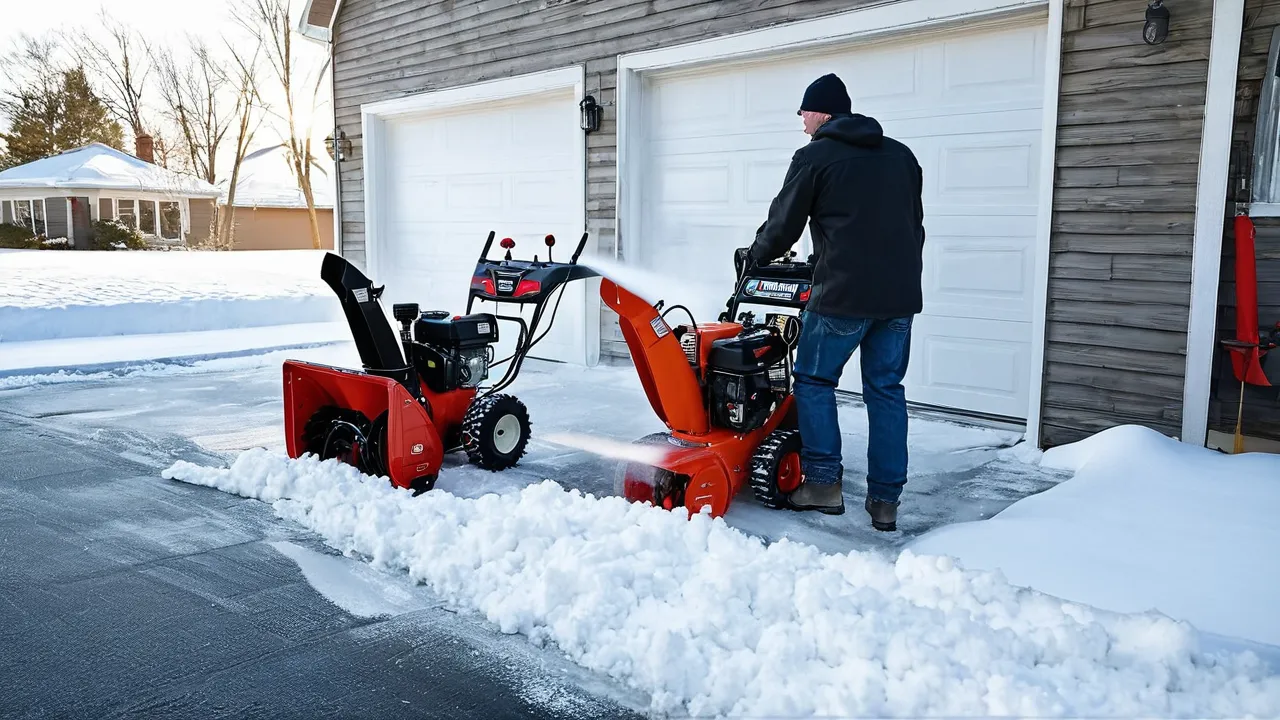
To store a snow blower for summer, either add fuel stabilizer and run the engine or drain the fuel and run the carburetor dry, change the oil, clean the machine, protect bare metal and store it in a dry, ventilated place away from ignition sources. Either fuel method works if done correctly, and the manual has the final say on fuel.
Safety first
Fuel is flammable. Work outdoors or in a well ventilated space, with the engine cool, away from flames, sparks and pilot lights. Store fuel in an approved container, never inside a living space, and never smoke near fuel. Remove the key and disconnect the spark plug wire before working near the auger or impeller. Dispose of old fuel and oil as local rules direct. For battery models, store the pack according to the manual and never charge a damaged one.
Why fuel is the main problem
Gasoline ages. Ethanol blends can absorb moisture and, if enough water gets in, can separate, and the lighter parts evaporate, leaving varnish and gum that clog the tiny passages in the carburetor. A snow blower sits unused for months, so it is a classic victim. The result in fall is hard starting, rough running or an engine that will not run at all, and the fix is a carburetor cleaning or replacement that costs more than a bottle of stabilizer.
Stabilizer or draining
Both methods protect the carburetor. Choose by how long the machine will sit and how comfortable you are.
- Stabilizer: add the stabilizer to a mostly full tank, following the label, and run the engine for several minutes so treated fuel fills the carburetor and fuel lines. This is quick, simple and keeps seals from drying. A fuller tank leaves less air for moisture. Use fresh gas.
- Draining: run the engine until it stops, or drain the tank into an approved container and run the carburetor dry or drain the bowl as the manual directs. This leaves little fuel to age and suits very long storage or older fuel. It takes a bit more handling.
Some makers recommend one method, so check the manual. A common practical rule is to stabilize with fresh fuel for a normal summer, and to drain if the fuel is already old or if you will be away for a long period. Whichever you choose, do not leave untreated ethanol fuel sitting in the tank all summer.
Oil, plug and filter
Change the oil at the end of the season so acids and moisture do not sit in the engine. Warm the engine, drain the oil into a pan and fill to the mark with the oil the manual lists. Replace the spark plug if worn, and check the air filter. Leave the plug wire disconnected until fall. Some owners pour a small amount of oil into the cylinder through the plug hole, but do this only if the manual allows.
Clean and protect the machine
Remove snow, salt and dirt. Salt is corrosive, so rinse the housing, auger and chute, dry everything and look for rust. Touch up chipped paint to prevent rust. Lubricate the chute crank, deflector and moving points, and spray bare metal with a light protectant that the manual allows. Check shear pins, skid shoes, the scraper bar, belts and tires, and order parts now at off season hours rather than in the first storm.
Rinse the auger and impeller and make sure they spin freely with the plug wire disconnected. Check for cracks and worn rubber paddles.
Battery and electric models
For battery models, remove the pack, clean the machine and store the pack indoors in a cool, dry place at the partial charge the maker recommends. Avoid freezing and extreme heat. Check the pack occasionally and charge briefly if the manual calls for it. For corded electric models, inspect the cord for damage, coil it loosely and store the unit dry. These models skip fuel work, which is a major reason people choose them.
Where and how to store
Store in a dry shed or garage. Keep the machine off bare damp ground, and cover it with a breathable cover rather than a sealed plastic sheet that traps moisture. Do not store it beside gas appliances or in a space with open flames. Keep fuel containers outdoors in a shed or a ventilated place away from the house. The best outdoor resin storage shed roundup can help if you need space, and a shed with good ventilation, as discussed under the storage sheds category, keeps metal parts from rusting.
Fall startup
In the fall, reconnect the plug wire, check oil and fuel and add fresh fuel. If the machine sat with stabilized fuel for many months, consider draining and refilling. Check belts, shear pins and controls and start the machine outdoors before the first storm. A short run in dry weather shows problems while you can still get parts. See the snow blowers category and How We Review.
Fuel handling details that prevent trouble
Use fresh gasoline from a busy station and buy only what you will use in a month or so. Ethanol free fuel is available in some areas and keeps better, and some makers recommend it for storage, though the manual states the ethanol limit for your engine. Fill the approved container no more than it allows, label it with the date and keep it capped and out of the sun. Stabilizer has its own shelf life, so check the date on the bottle and follow the dose on the label. Over dosing does not help.
If the machine has a fuel shutoff valve, close it after the engine has run the carburetor nearly dry. Some engines have a drain screw on the carburetor bowl, and the manual shows where. Catch the fuel in an approved container, and clean up spills right away. Never pour fuel on the ground or down a drain, and take old fuel to a hazardous waste site if it cannot be used in a car engine as the local program advises.
Tires, belts and cables
Rubber ages in storage. Inflate tires to the pressure on the sidewall or in the manual, since low pressure causes flat spots, and park the machine on a board or mat. Release belt tension if the manual advises, and check the cables for fraying and smooth action. Lubricate pivots and the drive friction wheel, if there is one, with the lubricant the manual lists. Keep rodents away, since mice chew wiring, fuel lines and upholstery. Traps or sealed storage reduce the risk.
Order parts in the off season
Summer is the time to replace shear pins, skid shoes, scraper bars, belts and paddles, when parts are in stock and shops are less busy. Write the model and serial number on a card from the plate on the machine and keep it with the manual. Buy from the manufacturer or a dealer that lists the exact fit for your model. Keeping a small spares kit in the shed turns a storm morning repair into a short job.
A Storage Timeline You Can Follow
- Last storm of the season: run the machine, clear the chute, and wipe off snow and salt before they dry on the metal.
- Within a week or two: add stabilizer to fresh fuel and run the engine, or drain the fuel as the manual directs.
- Same visit: change the oil, inspect the spark plug and air filter, and disconnect the plug wire.
- Before storing: rinse, dry, touch up paint, lubricate moving points, and check belts, shear pins, and tires.
- Mid summer: glance at the machine, check for leaks or rodent damage, and order any parts you noted.
- Early fall: reconnect the plug wire, check fluids, add fresh fuel, and start the engine outdoors.
Tie the first step to a calendar reminder on the day you put the machine away, because the biggest storage mistake is simply putting it off until the fuel has already sat for months.
Frequently Asked Questions
Should I drain the gas from my snow blower for summer?
Either draining or stabilizing works if done correctly. Stabilizing with fresh fuel and running the engine is quick and suits a normal summer. Draining suits very long storage or old fuel, and it leaves little to age. Check the manual, since some makers recommend one method.
Can I leave gas in a snow blower over summer?
Only if it is fresh and treated with stabilizer, and the engine has run long enough to fill the carburetor with treated fuel. Untreated ethanol blends can absorb moisture and leave varnish that clogs the carburetor, which is why many snow blowers start poorly in the fall.
Where is the best place to store a snow blower?
Store it in a dry, ventilated shed or garage, off bare damp ground, under a breathable cover. Keep it away from gas appliances, pilot lights, and open flames, and keep fuel in approved containers in a ventilated place away from the house. Check the manual for any specific storage guidance.
How do I store a battery snow blower for summer?
Remove the pack, clean the machine, and store the pack indoors in a cool, dry place at the partial charge the maker recommends. Avoid freezing and extreme heat, and never charge a damaged pack. Check the manual for how often to inspect the pack during storage.
Final Thoughts
Stabilize or drain, change the oil, clean and protect metal and store it dry away from ignition. Do the work at the end of the season, and use the manual for the fuel and oil specifics.
Related buying guides
- Single vs Two vs Three Stage Snow Blower: Which Stage
- Snow Blower Safety: Clogs, Chutes, Carbon Monoxide
- Snow Blower Shear Pins and Skid Shoes: Maintenance
About the author

The BuyOnceChoice Editorial Team researches durable products worth buying once. Our guides compare published specifications, warranty terms, expert review consensus, and verified owner feedback. We do not conduct our own product trials. See How We Review and our Editorial Policy for our standards.