Snow Blower Shear Pins and Skid Shoes: Maintenance
Shear pins, skid shoes and the scraper bar are the wear parts that decide whether a snow blower works in the first storm. Use this pre season checklist.
 By BuyOnceChoice Editorial Team
Updated November 16, 2026
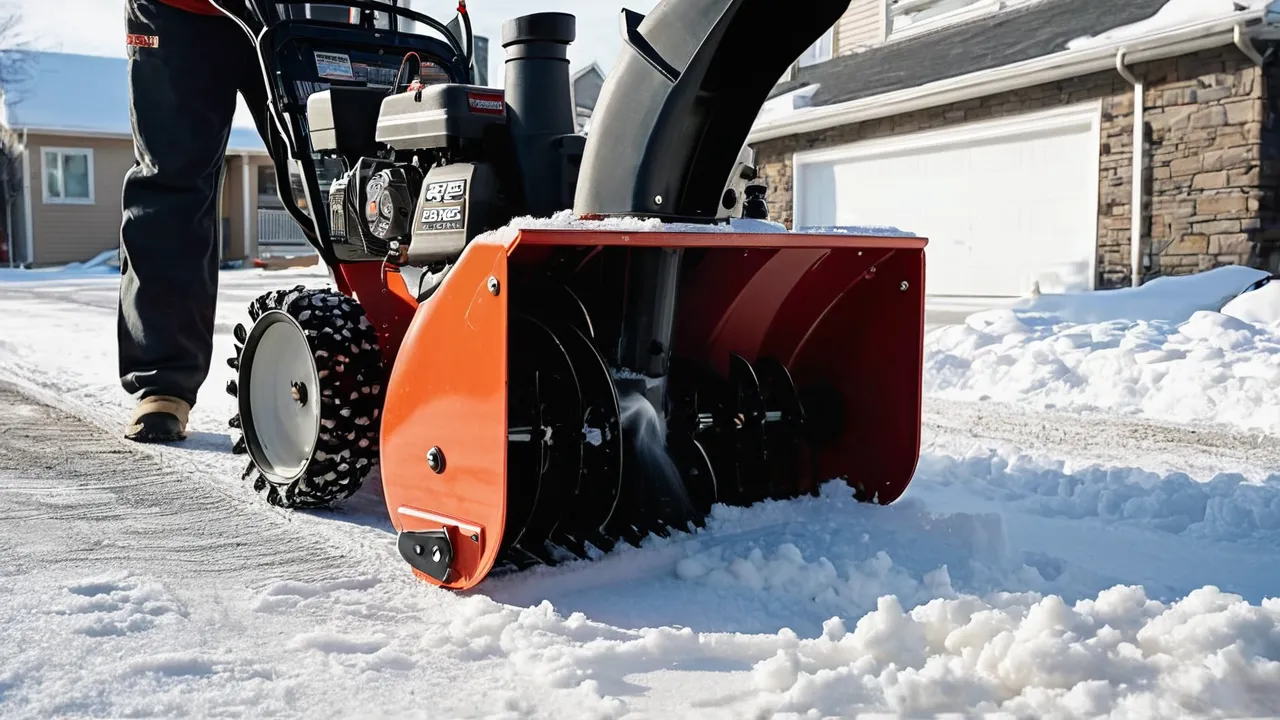
Snow blower maintenance mostly means checking a handful of wear parts: shear pins or bolts that protect the auger gearbox, skid shoes and the scraper bar that set how the machine meets the ground, plus the engine, belts, chute and fluids. Do the checks before the first storm, shut off the engine and wait for all parts to stop before working, and follow the manual for intervals and part numbers.
Safety Rules That Never Change
Before any inspection or repair, shut off the engine, remove the key if there is one and wait for the auger and impeller to stop. Disconnect the spark plug wire on gas machines, or unplug electric models and remove the battery on battery models. Never use your hands to clear snow from the chute or auger. Work on a level surface, wear gloves and eye protection and let the engine cool before touching the muffler or fuel parts. For electrical or fuel system problems you cannot fix from the manual, use a qualified small engine technician.
Shear Pins and Shear Bolts
A shear pin, sometimes a shear bolt, is a soft metal fastener that holds the auger to its shaft. It is designed to break if the auger hits a rock, ice chunk or other hard object, so that the force does not wreck the gearbox. When one breaks, the engine runs but the auger stops turning, or the auger spins freely on the shaft.
How to deal with them:
- Locate the pins on each side of the auger, where the auger meets the shaft. The manual shows the location.
- Replace a broken pin with the exact part the manufacturer specifies. A regular hardware store bolt is harder and may not break, which can damage the gearbox.
- Align the holes, push or tap in the new pin and secure it with the cotter pin or nut as the manual shows.
- Keep spare pins and cotter pins on hand.
- Apply a little grease to the shaft to make the next replacement easier, if the manual allows it.
If pins break often, look for the cause. You may be running over hidden objects, taking too deep a cut or clearing frozen ice berms, and slowing down helps.
Here is a short troubleshooting sequence for a stalled auger. First shut down and disconnect the spark plug or power source. Turn the auger by hand, wearing gloves, to see if it moves freely on the shaft. If it spins loosely while the shaft stays still, a shear pin has broken. Look for the broken halves and remove them with a punch if needed. Check the shaft and auger holes for damage. If the auger hub is deformed or the holes are elongated, a new pin will not hold and the part needs replacement. If everything looks fine, check the belt and the gearbox before you conclude it was the pin. Always carry two or more spare pins during storms.
Skid Shoes and the Scraper Bar
Skid shoes are metal plates on each side of the auger housing that set the height of the housing above the ground. On gravel, raise them so the housing does not pick up stones. On pavement, lower them to clear closer. Shoes wear down over time and should be replaced when thin, because worn shoes let the housing drop too low and scrape. Many shoes are reversible, so you can flip them for a fresh edge.
The scraper bar on the bottom of the housing does the real scraping on two stage machines, and on single stage machines the rubber paddle edge does. Check the scraper bar for wear and straightness, and replace it when worn down to the limit the manual gives. Single stage paddles lose height over time and cut less cleanly, so replace them when worn to the wear line. Adjust both sides evenly so the machine does not pull to one side.
Adjusting shoes is simple but easy to get wrong. Set the machine on a flat, hard surface, such as the garage floor, with the tires properly inflated. Loosen the shoe bolts, lower the housing to the floor and then raise it to the gap the manual lists, commonly a fraction of an inch for pavement and a larger gap for gravel. Tighten the bolts and recheck that both sides are even. A common mistake is setting the shoes too low on gravel, which picks up stones, or too high on pavement, which leaves a thin layer of snow that turns to ice.
Auger, Impeller and Chute
Inspect the auger blades for bends, cracks and wear. Check that the auger turns freely, and that the paddles are not cracked or loose. Check the impeller and the housing for damage. Look at the chute: clean any buildup, and check the rotation and the deflector controls. A cable that is stiff or slack will make the chute hard to steer. Lubricate pivot points and cables as the manual advises, using the recommended grease or oil. A light coat of spray lubricant or dry film on the chute, if the manual allows, helps reduce sticking.
Engine, Fuel and Belts
For gas models, change the oil as the manual says, often once a season or after a set number of hours, and use the oil grade listed. Replace the spark plug at the interval given, and clean or replace the air filter. Use fresh fuel, add a fuel stabilizer if the machine will sit, and check for leaks. Drive belts and the friction disc on two stage machines wear over time, and the manual explains how to check belt tension and replace them. Check tire pressure on wheeled models, and the condition of tracks on tracked ones. For electric and battery models, check cords and connectors for damage, charge batteries as directed and store them dry.
Fuel causes more spring starting problems than any other factor. Fuel that sits for months can gum the carburetor. Use fresh fuel with a stabilizer before storage, or run the carburetor dry as the manual directs. When you restart in autumn, check for leaks, replace old fuel and change the spark plug if it is due. If the engine runs rough or will not start, a small engine technician can clean the carburetor. For belts, look for cracks, glazing and fraying, and replace as a pair if the manual says so.
Pre Season Checklist
- Read the manual for the service schedule.
- Change engine oil and the spark plug.
- Inspect belts and the drive system.
- Check shear pins and carry spares.
- Inspect skid shoes and the scraper bar.
- Examine the auger and impeller.
- Check the chute rotation and deflector.
- Fill with fresh fuel and stabilizer.
- Start the engine and run it a few minutes outdoors.
Do the checklist in October rather than waiting for the first storm, because parts are easier to find and shops are less busy. Write the date of each service in a notebook or on a tag attached to the handle. After the season, clean the machine, change oil while it is warm, protect metal parts with a light coat of oil or rust inhibitor and cover it. This small routine takes about an hour and prevents most breakdowns.
What a First Storm Routine Looks Like
Before the first storm, wheel the machine to a ready spot and make sure the fuel is fresh. Start it outdoors and let it warm. After each use, knock off snow and ice, let the machine run for a minute to clear the auger, and wipe it down. Store it in a dry place, and do not leave snow packed on it. After the storm, check shear pins and shoes and fix anything loose before the next storm.
Parts Worth Stocking
Keep spare shear pins, cotter pins, a spark plug, a drive belt if your model allows easy swaps, a scraper bar and a set of skid shoes. Add engine oil and fuel stabilizer. Knowing your model number lets you order the right parts. For storing the machine, a dry space such as a shed helps, and our best outdoor resin storage shed roundup lists options. See the snow blowers category, the best small gas powered snow blower page and How We Review.
Frequently Asked Questions
What is a shear pin on a snow blower?
It is a soft metal pin that connects the auger to its shaft and is designed to break if the auger hits something hard, protecting the gearbox. If the auger stops turning while the engine runs, a broken shear pin is the likely cause. Replace it with the exact manufacturer part.
Can I use a regular bolt instead of a shear pin?
No. A hardware store bolt is stronger and may not break when the auger jams, which can damage the gearbox or shaft. Use the specified shear pin or shear bolt, and keep spares and cotter pins on hand.
How do I adjust snow blower skid shoes?
Loosen the bolts, set the shoes to the height the manual specifies, and tighten them evenly. Raise them for gravel and lower them for pavement. Set both sides the same, and replace them when worn thin.
How often should I service a snow blower?
Follow the manual, but most gas models need an oil change, spark plug check, belt inspection and shear pin check before each season. Check skid shoes and the scraper bar regularly, and inspect the machine after storms.
Final Thoughts
A short pre season check of shear pins, skid shoes, the scraper bar, belts, oil and fuel keeps a snow blower reliable. Use exact replacement parts, stop the engine before any work and follow the manual or a qualified technician for repairs you are unsure about.
Related buying guides
- Snow Blower Size Guide: Clearing Width by Driveway
- Snow Blower vs Snow Thrower: Terms and Real Differences
- Track vs Wheel Drive Snow Blowers: Slopes and Gravel
About the author

The BuyOnceChoice Editorial Team researches durable products worth buying once. Our guides compare published specifications, warranty terms, expert review consensus, and verified owner feedback. We do not conduct our own product trials. See How We Review and our Editorial Policy for our standards.