When to Buy a Stand Mixer: Sale Timing Without Gimmicks
A practical approach to when to buy a stand mixer: ignore sale pressure, check warranty and return terms, and weigh refurbished units honestly.
 By BuyOnceChoice Editorial Team
Updated November 16, 2026
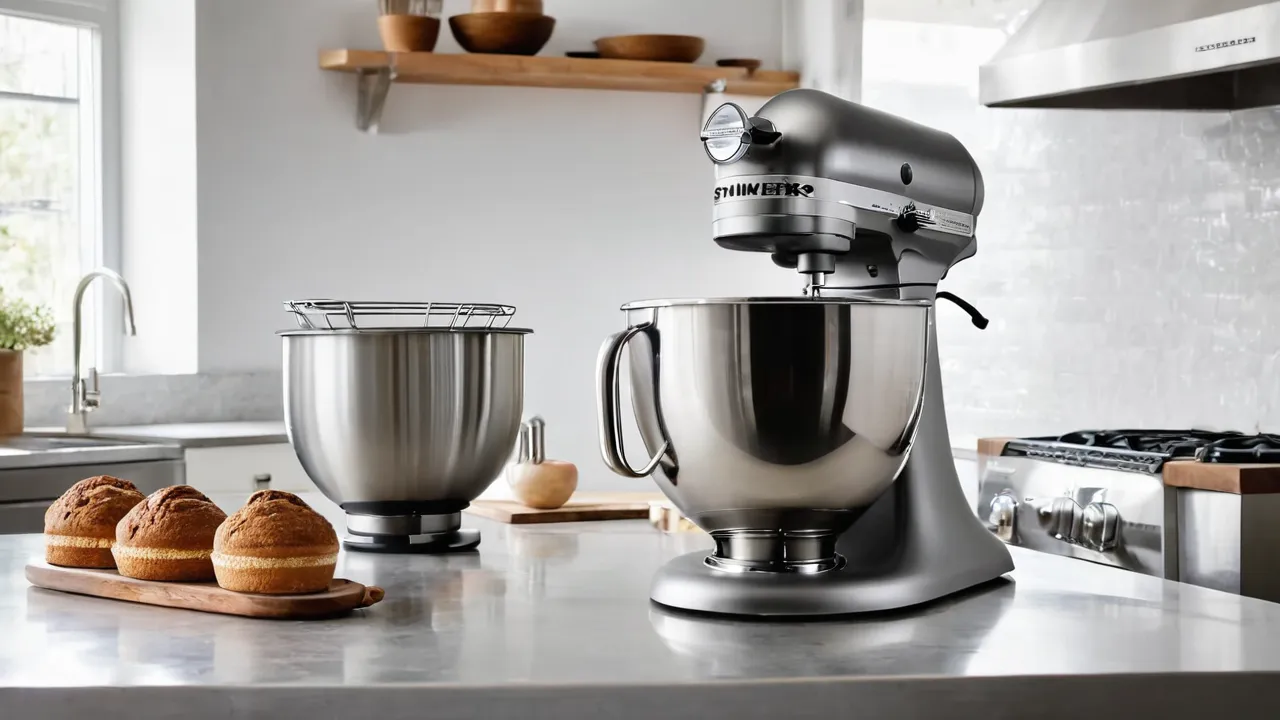
The best time to buy a stand mixer is when you have a clear need, you have checked capacity, parts and warranty, and a fair offer comes along. Sale timing is a minor lever compared with picking the right machine. Do not rush because a countdown clock says so. Compare the warranty, return window and parts support of new and refurbished options, and decline any deal that costs you those protections. A mixer you will use for years is worth waiting a week to buy well.
Retail marketing is built to create urgency, especially around big shopping events. This guide skips price claims, since prices change, and focuses on the parts of timing you control: readiness, warranty terms, return windows and the real tradeoffs of refurbished units.
Start With Readiness, Not the Calendar
A deal on the wrong mixer is not a deal. Before you watch prices, do your homework.
- Decide what you bake and how much, and write down your largest and smallest recipes.
- Determine your dough needs, and note the stated dough capacity of candidate models.
- Measure your space, including height with the head raised and the weight you can lift.
- Check parts supply and warranty terms.
- Make a short list, and note which attachments you actually want.
Once you have a short list, the question becomes whether to buy now or wait. If you need a mixer for a project, such as holiday baking or a new bread habit, the cost of waiting is real. If you can wait, prices and promotions may change, but you cannot count on a particular discount, and a deal can disappear. Treat any discount as a bonus.
Browse the stand mixers category to build that list.
How Retail Timing Works in General
Retailers run promotions throughout the year, with events that cluster around holidays, back to school periods and end of season clearances. Manufacturers sometimes introduce a new generation and clear older stock. There is no guarantee any specific model will be discounted at any specific time.
Practical points:
- A listed discount does not tell you the price was honest before the sale. Track the price for a few weeks if you can.
- Bundles can obscure value. An included attachment you will not use is not a saving.
- Limited time offers are designed to create urgency. A calm comparison beats a rushed one.
- Extra colors or special editions can cost more without changing the machine.
If a price seems very low, check whether the unit is a different model, a refurbished one or a version with a shorter warranty.
Other Ways to Save Without Timing the Market
If cost is the concern, there are routes that do not depend on a sale date. Buy a smaller or simpler model that meets your actual needs, since a mixer with fewer extras costs less and often lasts as long. Skip bundles that add attachments you will not use. Check whether the manufacturer offers a trade in or a loyalty program, and whether a previous generation model, still supported with parts, meets your needs. Buy a second bowl later, when you need it, instead of in a kit.
Some people also buy secondhand from family or local listings. A used mixer from a trusted source can be a bargain, but check the gears for noise, the beater shaft for oil, the bowl lock and the cord. Ask how it was used, since a machine that kneaded dough daily has more wear than one that whipped cream a few times a year. Remember that a used mixer usually has no warranty, so only buy if the price reflects the risk and you can repair it or accept the loss.
Finally, set a budget in advance and decide what you will skip. It is easier to resist urgency when you have a plan.
Refurbished Units: What to Check
Refurbished mixers can be a sensible way to buy a durable machine at a lower cost, but terms matter more than the discount. A refurbished unit may have been returned unused, inspected and repackaged, or it may have been repaired after a fault. The seller should state which.
Check:
- Who refurbished it: the manufacturer, an authorized partner or a third party. Manufacturer refurbished units often carry a warranty, though shorter than new.
- The warranty: its length, what it covers and who honors it. A refurbished unit with no warranty is a risk.
- The return policy: the window, who pays shipping and whether restocking fees apply.
- Included parts: bowl, beaters, manual and any attachments listed.
- Condition grade, if the seller uses one, and what cosmetic marks to expect.
A refurbished mixer should be treated as a used machine with a seller backed guarantee. If the terms are vague, skip it.
Warranty and Return Terms Matter More Than Discounts
A discount of any size is erased by a failed unit with no recourse. Read the warranty on the manufacturer’s site, not only the retailer’s summary, and check whether it covers a unit bought from the retailer you are considering. Some manufacturers limit coverage for units bought from unauthorized sellers.
Also check the return window. A stand mixer should be run soon after you receive it, with a few simple tasks. Listen for odd noises, check for oil around the beater shaft, watch for wobble and confirm the bowl locks. If something is wrong, you want to be inside the return window. Keep the box and packing until you are satisfied.
Look at what the warranty covers, whether parts are sold and where service happens.
What to Do the Day It Arrives
Treat delivery day as part of the purchase. Unbox the mixer and check the contents against the product page: bowl, beaters, manual and any accessories you paid for. Inspect the housing for dents or cracks, and make sure the bowl locks in place and the head locks down. Wash the bowl and beaters according to the manual, dry them and attach them. Run the mixer empty at low speed and listen for grinding, rattling or a motor that sounds strained.
Then run a simple recipe, such as a small batch of cookie dough or whipped cream, and watch how the machine behaves. Check for oil around the beater shaft, wobble in the head and the beater’s clearance from the bowl. If anything looks wrong, contact the seller while you are within the return window, and keep the packaging until you are sure. Register the product if the maker offers it, and store the receipt where you can find it.
This routine takes less than an hour and protects you more than any discount does. A mixer that passes in the first week usually serves for years, and one that fails early is far easier to replace under a return policy than under a repair claim.
Signs It Is the Right Time to Buy
- You bake often enough that a hand mixer slows you down.
- You plan to make bread regularly and need a machine with a stated dough capacity.
- Your current mixer is failing, and the repair cost approaches replacement.
- You have a short list, with space measured and warranty terms checked.
- You have a clear return window and a seller you trust.
Signs to Wait
- You are buying because of a countdown timer.
- You cannot state the dough capacity or the warranty.
- You are unsure you will bake enough to use it.
- The deal requires you to buy attachments you do not want.
- The refurbished unit has no written warranty.
Who Should Buy When
- Buy now if you have a real need, a short list and acceptable terms.
- Buy refurbished from the manufacturer if you want a lower cost with a warranty.
- Wait if you are unsure about needs or terms.
- Skip bundles unless every item is something you will use.
A Worked Example of Waiting Versus Buying
Suppose you have a short list of two models, both with the stated dough capacity you need and a clear warranty. One retailer offers a discount that ends tonight, while another offers a modest discount with a longer return window. The better offer is the one with the longer return window, because it gives you time to run the machine and catch a fault. If you have no urgent project, you can also wait a few weeks and compare again, since the model you want will usually still be there. Only skip the wait if the deadline is real, such as a holiday bake, and you have checked the terms.
Frequently Asked Questions
When is the cheapest time to buy a stand mixer?
No date is reliably cheapest, because promotions vary by retailer and model. Events around holidays and end of season clearances often bring discounts, but nothing is guaranteed. Track the price for a few weeks, compare the warranty and return window, and buy when a fair offer meets a real need.
Is it worth buying a refurbished stand mixer?
It can be, if the terms are clear. Manufacturer refurbished units often carry a warranty and a return window, though shorter than new. Check who refurbished it, what the warranty covers, which parts are included, and the condition grade. Skip any unit with no written warranty or a vague return policy.
Should I wait for a new model before buying a stand mixer?
Only if a new model offers something you need. Older generations are often still supported with parts and meet most bakers’ needs. Check whether the previous model has the stated dough capacity and attachments you want, and confirm that parts and warranty service remain available.
What should I check when a new stand mixer arrives?
Compare the contents with the product page, inspect the housing, and confirm the bowl and head lock. Run it empty at low speed, then mix a small batch while watching for noise, wobble, or oil near the beater shaft. Contact the seller inside the return window if anything seems wrong.
Final Thoughts
Timing a stand mixer purchase is mostly about readiness. Know what you bake, check capacity, parts and warranty, and treat sales as a bonus. Compare new and refurbished options on terms, not only on price, and keep a clear return window. For help building your short list, see the best stand mixer roundup and how we review.
Related buying guides
- Bread Dough in a Stand Mixer: Load Limits and Motor Strain
- Commercial vs Home Stand Mixers: Who Needs Heavy Duty
- How Long Do Stand Mixers Last and What Fails First
About the author

The BuyOnceChoice Editorial Team researches durable products worth buying once. Our guides compare published specifications, warranty terms, expert review consensus, and verified owner feedback. We do not conduct our own product trials. See How We Review and our Editorial Policy for our standards.