Coffee Maker Energy Use and Auto Shutoff Basics
How coffee maker auto shutoff works, why hot plates are the main risk, how it affects energy use, and what to check before you buy.
 By BuyOnceChoice Editorial Team
Updated November 16, 2026
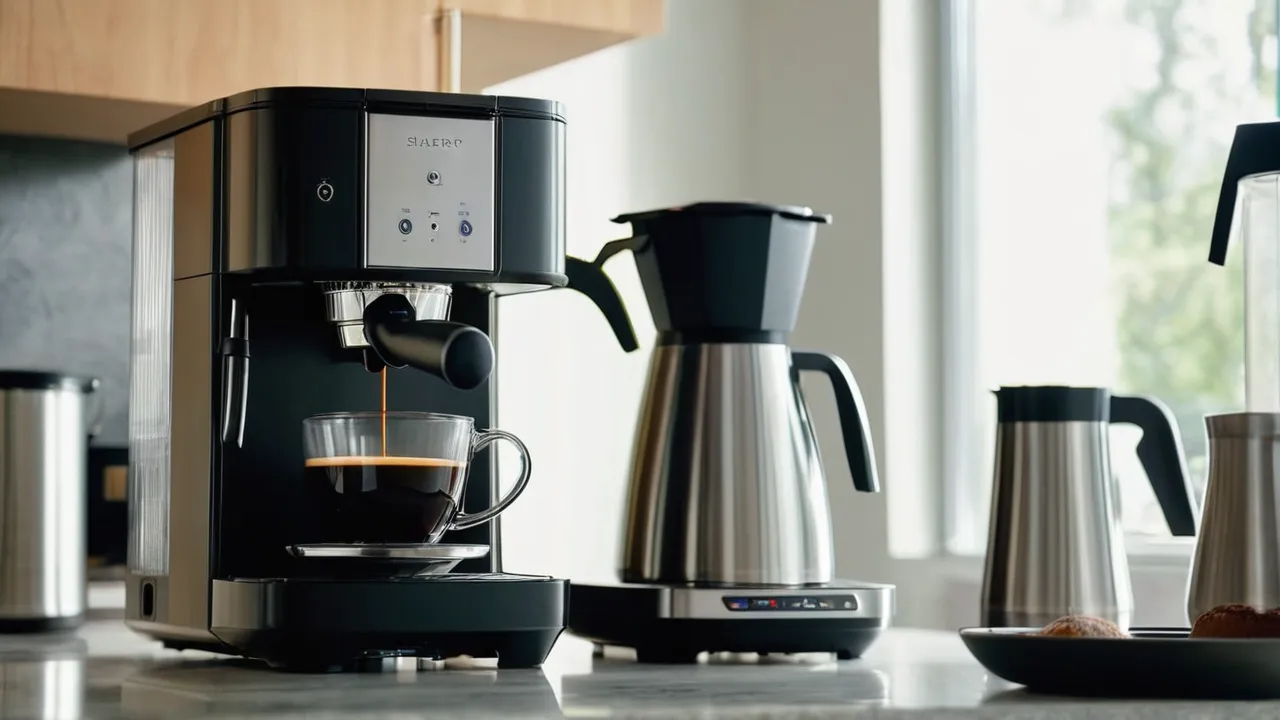
Auto shutoff turns off the heating element or hot plate after a set time, reducing fire risk and wasted energy. The main hazard in a drip coffee maker is the hot plate under a glass carafe, which stays hot and can burn skin, scorch coffee and ignite nearby materials if left on. A thermal carafe removes the plate entirely. When you buy, look for an automatic shutoff with a clear indicator, check what the manual says about the time delay, and never rely on it as a substitute for unplugging a damaged machine.
Most people never think about the hot plate until the morning they leave the house and wonder whether they turned the coffee maker off. Auto shutoff exists for that moment. This guide explains how it works, what it does and does not protect, how it affects energy use and what to check before buying.
How Auto Shutoff Works
Most drip coffee makers use a heating element for brewing and a hot plate for keeping the carafe warm, sometimes the same element. A thermostat or timer controls both. Auto shutoff uses a timer circuit that cuts power to the element after a preset period, commonly counted from the end of the brew or from the moment you turn it on.
Designs vary. Some machines shut off after a fixed time, such as an hour or two. Others let you choose the delay. Some shut off only the hot plate while leaving the clock running, and some shut off the whole machine. The manual states what your model does, and the product page may list the delay, though not always.
Thermal carafe machines often do not have a hot plate. The brew drips into an insulated container, and the heating element shuts off after brewing, so the risk is lower, but the machine still has a heating element that should have a shutoff.
Why Hot Plates Are the Main Risk
A hot plate keeps coffee warm by heating continuously. The plate can reach temperatures that burn skin in a moment, and it can scorch spilled coffee into a crust that smells bad and smokes. Paper, cloth and plastic left on or near it can ignite if the plate stays on for hours.
Risks include:
- Burns from touching the plate or the carafe base.
- Cooked coffee that tastes bitter after a short time on the plate.
- A cracked glass carafe if cold water is poured into it while hot.
- Fire if something flammable rests on or against the plate, or if the machine malfunctions.
- A boil dry situation if the carafe is empty and the plate remains on, which can damage the plate and the carafe.
These are not exotic. They are why modern machines include auto shutoff and why many fire safety organizations tell people to unplug small appliances when not in use.
What Auto Shutoff Does Not Protect Against
Auto shutoff is a convenience and a safety backup, not a guarantee. It does not protect against a damaged cord, a fault in the machine, a bad outlet or a flammable object resting on a hot surface before the timer runs out. If the circuit that controls shutoff fails, the machine may stay on. You cannot see this from the outside, so keep the machine clean and in good repair, and replace it if it shows signs of damage such as a frayed cord, a cracked housing, a burning smell or intermittent power.
A timer that stops the heater does not instantly cool the plate. The plate stays hot for a while after it shuts off. Treat it as hot until it is cool to the touch.
Energy Use
A coffee maker draws a lot of power while brewing, and a hot plate draws less but keeps running. Leaving a hot plate on for hours uses more energy than many people expect. You can estimate energy with arithmetic: multiply the plate wattage by hours and divide by one thousand to get kilowatt-hours. The wattage appears on the nameplate. Check the plate’s draw separately if the manual lists it.
Auto shutoff cuts the idle time, saving energy, and a thermal carafe saves more by removing the plate. If you drink coffee slowly, a thermal carafe also keeps coffee better. If you brew small amounts and drink them right away, the plate matters little.
A Simple Energy Method
To estimate energy, multiply the wattage by the hours of use and divide by one thousand to get kilowatt hours. For example, a heater drawing 1,000 watts for six minutes of brewing is 0.1 kilowatt hour. A hot plate that draws a few hundred watts and stays on for two hours adds more than the brew itself. The figures here are an example of the method, so read the nameplate wattage on your machine. Multiply the result by the rate on your own electric bill to see the cost.
What to Check Before You Buy
- Does the machine have automatic shutoff, and what is the delay?
- Can you adjust the delay, or is it fixed?
- Is there an indicator light that shows when the heater is on?
- Does the machine use a hot plate or a thermal carafe?
- Is the carafe rated for the plate temperature, and are replacements sold?
- What does the manual say about shutoff after a power outage, since some machines reset?
- Does the warranty cover the electronics, which include the shutoff timer?
Timers and electronics age like any circuit board, so favor simple controls, and see the best coffee maker roundup for how models compare.
Questions to Answer From the Manual
- How long is the default delay before shutoff, and can you change it?
- Does shutoff cut power to the heater, or only dim the display?
- Is the hot plate heater controlled by a separate thermostat?
- Does the machine stay powered after a power outage, and does it restart on its own?
- Does the manual tell you to unplug the machine when not in use?
If the manual does not answer these points, ask the maker before buying, because a safety feature you cannot verify is only a marketing claim.
Single Serve, Espresso and Other Formats
Hot plates are mostly a drip machine issue, but other formats have their own heat sources. Single serve pod machines usually heat water on demand and have no plate, though many keep a small tank warm and have an auto off mode that powers down the heater after a period. Espresso machines hold water at high temperature, and many include a standby or auto off that you can set. Kettles used for pour over have their own shutoff, which should trigger when the water boils, and the base should be dry.
For each format, find the shutoff in the manual, and think about the worst case. A machine with a small tank that boils dry is a different risk from one with a plate under glass. Machines that are meant to stay on, such as some commercial units, should be plumbed and installed per the maker’s instructions.
If you leave appliances on a schedule, consider that a timer starting the machine while you sleep means nobody is there if something goes wrong. A machine with auto shutoff, a thermal carafe and a clean heating area is a safer match for a timer than a glass carafe on a plate.
Finally, remember the cord and outlet. A heater draws steady current, and a loose plug or a worn outlet can overheat even when the machine is fine. If the plug feels warm, if the outlet plate is discolored or if the machine trips the breaker, stop using it and ask a licensed electrician to inspect the outlet. A coffee maker should be plugged into a wall outlet, not a power strip, unless the manual specifically allows it.
Safe Habits
- Unplug the machine when you leave for long periods, if you are unsure of its shutoff.
- Keep the plate and surroundings clear of paper, cloth and cords.
- Do not leave an empty carafe on a hot plate.
- Rinse the carafe with warm water before brewing, not cold, to reduce thermal shock.
- Let the plate cool fully before cleaning.
- Plug directly into a grounded outlet and avoid extension cords.
- Replace a machine with a damaged cord or housing.
Who Should Choose What
- Choose a thermal carafe machine if you drink over several hours or leave the house often.
- Choose a glass carafe with an adjustable auto shutoff if you want a lower price and brew small batches.
- Skip machines that do not state a shutoff or do not show when the heater is on.
- Skip relying on shutoff alone if the machine is old or damaged.
See the coffee makers category for how formats differ.
Frequently Asked Questions
Do all coffee makers have auto shutoff?
No. Many do, but not all, and the delay and behavior vary by model. Some shut off only the hot plate, and some let you choose the delay. Check the product page and manual for how shutoff works, and treat an unlisted feature as absent.
Is it safe to leave a coffee maker on all day?
It is not a good idea. A hot plate left on for hours wastes energy, scorches coffee and adds burn and fire risk if something goes wrong. Use auto shutoff, or choose a thermal carafe that needs no hot plate, and unplug the machine when you leave for long periods.
Do thermal carafe coffee makers need auto shutoff?
They have lower risk because there is no hot plate, but the heating element can still stay powered. Check the manual to see when the heater shuts off after brewing. A machine with a clear shutoff and a cord in good condition remains the safest choice.
How much electricity does a coffee maker use?
It depends on wattage and time. Brewing draws high power for a few minutes, while a hot plate draws less but runs for as long as it is on. Multiply the nameplate wattage by hours and divide by one thousand to get kilowatt hours, then compare to your bill.
Final Thoughts
Hot plates are the main safety concern in drip coffee makers, and auto shutoff is the standard protection. Look for a shutoff you can verify, consider a thermal carafe to remove the plate and keep the machine in good repair. Pair the feature with simple habits, and follow the manual. For more on how we weigh safety features, read how we review.
Related buying guides
- Coffee Maker for Office: Capacity and Duty Cycle Checklist
- Coffee Maker Programmable Features: Worth Paying For
- Coffee Maker Size Guide: Cups, Carafes and Households
About the author

The BuyOnceChoice Editorial Team researches durable products worth buying once. Our guides compare published specifications, warranty terms, expert review consensus, and verified owner feedback. We do not conduct our own product trials. See How We Review and our Editorial Policy for our standards.