Iced Coffee Makers vs Brewing Hot Coffee Over Ice
Compare a dedicated iced coffee maker with brewing hot coffee over ice by strength, dilution, ice ratio, extra cost and cleanup.
 By BuyOnceChoice Editorial Team
Updated November 16, 2026
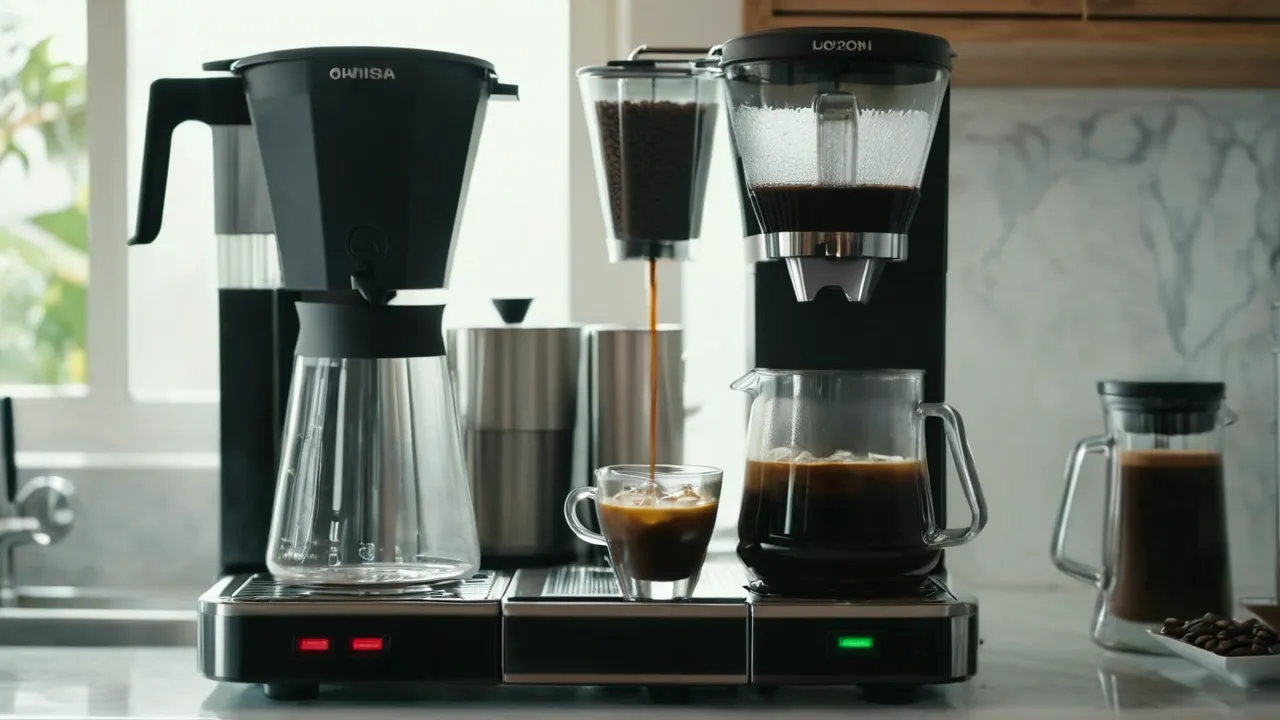
You do not need a dedicated iced coffee maker to make good iced coffee. A machine with an iced or over ice setting brews a stronger batch meant to melt ice, but any drip machine can do the same if you brew at a higher coffee to water ratio and pour over ice. The key is dilution: ice melts into the coffee, so the hot brew must be concentrated. Buy a dedicated machine only if you drink iced coffee daily and want a one button routine.
Iced coffee rewards planning. The problem is not cold, it is water. Pour ordinary coffee over ice and the cup tastes weak and watery. This guide explains the dilution math, what an iced setting does and when a dedicated machine earns its place.
Why Iced Coffee Tastes Watery
Hot coffee poured over ice loses strength quickly. The ice cools the drink and melts into it, adding water. If you brew a normal strength pot and pour it over a full glass of ice, the result is diluted. Some of the dilution is useful, since it lowers the strength to a comfortable level, but too much leaves a flat cup.
Cold brew avoids the problem by steeping grounds in cold water for many hours, producing a concentrate. A hot brewed iced coffee tries to deliver the same experience in minutes, and the way to do that is to start stronger.
What an Iced Setting Actually Does
Many drip machines offer an iced or over ice mode. The manufacturer’s descriptions vary, but the general idea is to brew a more concentrated coffee, typically by using less water for the same grounds or by slowing the brew, so that the cup still tastes right after the ice melts. Some machines pair the setting with a smaller batch size and a specific carafe or tumbler.
Check the manual for what the setting does and for the recommended coffee to water ratio. Some manuals suggest using more coffee than normal, or filling the reservoir only to a marked level. Because the setting is a program on a standard heating system, there is no cooling hardware. It is the same machine brewing a stronger batch.
Brewing Hot Coffee Over Ice With Any Machine
You can reproduce the effect with a regular drip machine or a pour over setup.
- Use more coffee for the same volume of water, or brew a smaller volume of water through your usual amount of coffee. A concentrated batch tastes right once the ice melts.
- Use a full glass or a carafe of ice, since the ice absorbs heat quickly.
- Brew directly over the ice, or brew into a carafe and pour over ice immediately.
- Chill the cup, and use ice made from clean filtered water so it does not add flavors.
- Stir briefly to mix the melting ice.
A common starting point is to use about half the ice by volume of the finished drink, though the right amount depends on your taste and the machine. Adjust over a few tries, changing one variable at a time. Because every machine and coffee differs, treat any ratio as a starting guess, not a rule.
Strength and Dilution: A Simple Method
Think of the final drink as coffee plus melted ice. If you want a final strength similar to a normal cup, the hot coffee must be stronger by the amount of water the ice will add. If a glass of ice will add roughly a third of the volume when melted, you brew roughly a third stronger.
Method:
- Decide the glass size and how much ice you will use.
- Estimate how much the ice adds, then reduce the water in the brew by that amount.
- Keep the coffee dose the same, so strength rises.
- Taste, then adjust the next batch.
If the coffee tastes sour or thin, grind a bit finer or brew a bit smaller. If it tastes bitter, brew less strong or use a coarser grind.
A Worked Ratio Example
Say you want a sixteen ounce iced coffee that tastes like a normal cup once the ice melts. Fill the glass about halfway with ice, which is roughly eight ounces of ice by volume, and plan to brew about eight ounces of hot coffee. To keep strength, brew that eight ounces at roughly one and a half times your normal dose, so a drink you would usually make with a standard scoop gets a scoop and a half. These numbers show the method. Adjust the ice amount and the dose to your taste and your machine’s minimum brew size.
Cost, Cleanup and Extras
A dedicated iced coffee maker usually costs more than a basic drip machine, and the premium buys a setting, sometimes a special carafe. It also adds another appliance to clean and store. Using a regular drip machine costs nothing extra but requires you to adjust each batch.
Cleanup is the same for either: wash the carafe and basket, rinse the reservoir, and descale on schedule. If you use a tumbler or a special carafe, wash it too. Coffee oils build up on cold drink containers just like hot ones, and plastic can hold odors. For maintenance, see the manual, and browse the coffee makers category for how designs differ.
Other options include cold brew pitchers, which steep coffee in the refrigerator, and single serve machines with an iced setting. Each has tradeoffs: cold brew takes time but is smooth, while single serve is quick but costs more per cup.
Beans, Grind and Water for Iced Coffee
Flavor choices shift when coffee is served cold. Cold temperatures mute sweetness and emphasize bitterness and sourness differently, so a coffee that tastes balanced hot may taste sharper over ice. Medium and medium dark roasts are common choices for iced drinks because their chocolate and caramel notes hold up against dilution, while very light roasts can taste thin and acidic. That said, taste is personal, and you can brew a lighter roast stronger to compensate.
Grind affects extraction. A slightly finer grind can add strength in a drip machine, but too fine a grind can clog the basket and cause overflow. If you brew a small, concentrated batch, watch the basket. For a pour over, a finer grind with a slower pour extracts more.
Water quality matters as much as it does for hot coffee. Chlorine and strong mineral tastes show up in cold drinks, and the ice itself can add flavors if it sat near strong foods in the freezer. Use filtered water for both the brew and the ice, and keep ice in a covered container.
Sweeteners and milk behave differently cold. Sugar does not dissolve easily in cold coffee, so many people stir it into the hot brew or use a syrup. Milk added to a hot concentrate cools it and dilutes it further, which you can account for by brewing stronger still. If you like flavored syrups, add them to the glass before the coffee.
Finally, think about batch size. Brewing a full pot and chilling leftovers in the refrigerator gives a quick cold drink the next day, though the flavor changes as the coffee ages. A smaller fresh batch over ice usually tastes better than yesterday’s pot.
Cold Brew as an Alternative
Cold brew steeps coarse grounds in cold water for many hours, commonly twelve to twenty four hours in the refrigerator, then strains out the grounds. It yields a concentrate you dilute with water or milk, and it tastes smoother and less acidic to many people. It needs no machine, only a pitcher and a filter, and it needs planning ahead. A cold brew pitcher is a sensible alternative if you drink iced coffee daily and want zero hot brew steps. Keep cold brew refrigerated and use it within the time the maker or recipe suggests.
Who Should Buy What
- Buy a dedicated iced setting machine if you drink iced coffee daily, want a one button routine and will use the setting.
- Use a regular drip machine if you drink iced coffee occasionally and are happy to adjust the dose.
- Try cold brew if you like smooth, low acid coffee and can plan a day ahead.
- Skip a dedicated machine if you rarely drink iced coffee, since the extra cost is not worth it.
- Skip pouring a normal strength pot over ice, because the result is weak.
For machine options, see the best coffee maker roundup.
Safety Notes
Hot coffee is dangerous when poured over ice in a glass not rated for heat, since thermal shock can crack glass. Use a tumbler or glass designed for hot liquids, or let the coffee cool slightly. Plug the machine into a grounded outlet and unplug it before cleaning. Follow the manual, and avoid extension cords.
Frequently Asked Questions
Do I need a special iced coffee maker?
No. Any drip machine can make good iced coffee if you brew a stronger batch to allow for melting ice. A machine with an iced setting is a convenience that brews a more concentrated cup, but the same effect comes from using more coffee for the same water.
How do you make iced coffee without it tasting watery?
Brew the coffee stronger than usual, since the ice dilutes it. Use more grounds for the same water, or brew a smaller amount, and fill the glass with enough ice to chill quickly. Chilling a batch in the refrigerator first, or using coffee ice cubes, also prevents dilution.
Is cold brew the same as iced coffee?
No. Iced coffee is hot coffee that is chilled or poured over ice, while cold brew is made by steeping grounds in cold water for many hours. Cold brew is typically smoother and less acidic, and usually made as a concentrate. Each needs a different method and timing.
What ratio of coffee to water should I use for iced coffee?
Start with a stronger ratio than you would for hot coffee, roughly one and a half times your usual dose for the water you brew over ice. Adjust to taste. The right ratio depends on how much ice you use and how fast it melts, so make small changes and note the results.
Final Thoughts
An iced setting is a convenience, not a necessity. Any drip machine can make good iced coffee if you brew stronger and manage the ice. Do the dilution arithmetic, start with a stronger batch and adjust to taste. Buy a dedicated machine only if you will use it often. For more on how we compare brewers, read how we review.
Related buying guides
- Keurig vs Nespresso: Machine Differences That Matter
- Nespresso Original vs Vertuo: Which System Fits You
- Pod Machine vs Drip: Real Cost per Cup
About the author

The BuyOnceChoice Editorial Team researches durable products worth buying once. Our guides compare published specifications, warranty terms, expert review consensus, and verified owner feedback. We do not conduct our own product trials. See How We Review and our Editorial Policy for our standards.