Preheating an Air Fryer: When It Matters
A decision rule for preheating an air fryer by food density and basket mass, with what to do when the manual says otherwise.
 By BuyOnceChoice Editorial Team
Updated November 16, 2026
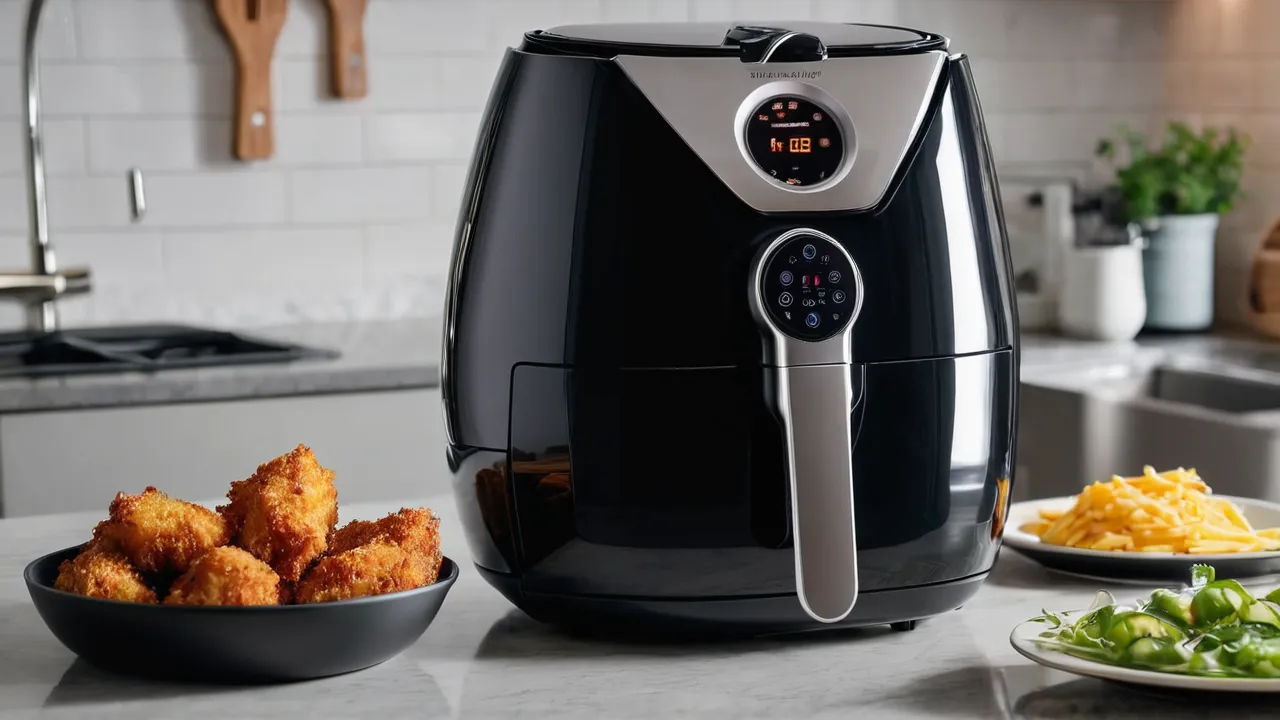
You do not always need to preheat an air fryer, because the chamber is small and heats in a few minutes. Preheat when you cook dense or cold foods that need a hard sear or a crisp outside, such as steak, thick chicken pieces, frozen breaded items and baked goods, and when the basket is heavy. Skip it for small loads of vegetables, reheating and thin items. If your manual says to preheat, follow it, and treat the extra minutes as part of the recipe.
Preheating advice is inconsistent because air fryers vary and foods vary. Rather than rely on a blanket rule, this guide gives a decision method built on how dense the food is and how much metal has to heat, and explains what happens when you skip the step.
What Preheating Does
Preheating brings the chamber, the basket and the air to your target temperature before food goes in. Because air fryers cook by hitting food with hot moving air, starting hot gives food an immediate sear on the surface. That sear helps browning and a crisp exterior. Starting cold means food spends the first minutes warming up with the machine, which can delay browning and add to the cook time.
The effect depends on the food and on the machine. Air fryers heat quickly because the chamber is small, so the difference between preheating and not preheating is smaller than in a full size oven. Some machines have a preheat function or a preheat indicator, and others do not, in which case you simply run the empty machine for a few minutes.
Basket Mass and Chamber Size
Mass matters because the basket and the housing absorb heat. A large basket made of thicker metal takes longer to come up to temperature than a small, thin one. Oven style air fryers with a large chamber and heavy racks also take longer.
Dual basket and large capacity units contain more metal and a larger volume of air, so they may benefit more from preheating than small single basket models. If your unit has a preheat setting, the manual often describes how long it takes. Do not assume a number from a video, since it varies by model.
The mass of the food also matters. A small handful of vegetables adds little mass, while a pound of frozen items adds a lot, and the cold food drops the air temperature at the start. A hot machine recovers faster than a cold one.
A Decision Rule by Food Density
Use this simple rule.
- Dense, thick or cold foods: preheat. Examples include thick chicken thighs, steaks, burgers, roasts, frozen breaded foods and whole vegetables. They need strong initial heat to brown the outside while the inside cooks.
- Baked goods and doughs: preheat. Biscuits, rolls, cookies and pastry rely on an initial blast of heat to rise and set.
- Thin or small foods: skip. Sliced vegetables, shrimp, reheated leftovers and small cut potatoes cook quickly and do not need extra time.
- Foods that you want pale or gently cooked: skip, or use a lower temperature.
- Large batches that fill the basket: preheat, since the cold mass will drag the temperature down.
When unsure, preheat for a few minutes. The cost is small, and food that goes into a hot machine is more consistent.
How Long to Preheat
Check your manual first. If it names a preheat time, use that. If it does not, a few minutes at the cooking temperature is a reasonable starting point, and you can judge by the heat when you open the basket. Do not preheat for a long time, since an empty hot machine is wasteful and can overheat the housing.
Be careful when opening a preheated basket. The air inside is hot, and steam or hot air can escape. Use tongs or a mitt to place the food, and keep your face and arms back. Never preheat with liners or paper in the basket unless food weighs them down, since a loose liner can lift into the element.
Quick Reference by Food
- Frozen fries, nuggets and breaded items: preheat, because cold food and a cold basket slow crisping.
- Whole pieces of chicken, steaks and thick fillets: preheat for even browning.
- Thin vegetables, reheated pizza and small portions: preheating is optional.
- Baked goods and anything with a batter: preheat, since an early burst of heat helps set the outside.
- Foods you cook briefly, like toast or a small handful of nuts: skip it and watch the time.
What Happens When You Skip Preheating
Skipping the step is not a disaster. Food in a cold air fryer usually cooks, but the first minutes are slower. You may need to add a minute or two. Foods that rely on a sear may be paler or less crisp. Breaded items can turn out less crunchy, and fatty foods may release more grease before the exterior sets.
If you skip the preheat to save time, add that time into the cook. Because the machine reaches temperature in a few minutes anyway, preheating and adding time are often a wash for small loads. The difference is texture: preheating tends to produce a better crust.
How to Check Whether Your Model Needs It
Look in the manual for a preheat instruction or preheat indicator. Many manuals either say to preheat for a few minutes or say it is not required. If your unit has a preheat setting, it may beep when ready. If it does not, the practical check is to run it empty at your target temperature for a few minutes before loading food. Compare the browning from a preheated and a cold start on the same food on two days, and keep whichever routine you prefer.
Worked Examples
Consider four common cooks. Frozen fries, in a full basket, benefit from a hot start, because cold food and a cold basket pull the temperature down and the first minutes are spent warming rather than crisping. A bone-in chicken thigh with skin needs the initial heat to render fat and crisp the skin, so preheat. A handful of sliced zucchini cooks in minutes, so skipping is fine. Leftover pizza needs only a short blast, and you can put it straight in.
Now consider the unit. A compact single basket model heats quickly, and an oven style model with a large cavity takes longer. If your machine has a preheat button or a countdown, use it for dense foods. If it does not, run it empty for the time the manual suggests, or for a few minutes, and put the food in when the cavity is hot. If the manual explicitly says no preheating is needed, trust it, since the design may compensate with a strong first burst.
One more factor is the temperature you cook at. A recipe at a high setting benefits more from preheating, since the gap between room temperature and the target is larger. A low and slow recipe has less to gain.
Energy and Time
Preheating uses some energy, and for a small meal it is a small fraction of the total. You can estimate it by multiplying the nameplate watts by the minutes and dividing by sixty thousand to get kilowatt-hours. Because air fryers heat in minutes, even with a preheat they usually finish sooner than a full size oven preheating alone.
Who Should Preheat
- Preheat if you cook steaks, chicken pieces, frozen breaded foods, baked goods or full baskets.
- Preheat if your manual says to, since recipes are developed with it.
- Skip if you reheat small portions or cook thin vegetables.
- Skip if your model has no preheat function and the recipe is forgiving.
- For electrical safety, plug directly into a grounded outlet, do not leave it running unattended, and follow the manual’s clearance rules.
For more on models and formats, see the air fryers category and the best dual air fryer roundup.
Frequently Asked Questions
Do you have to preheat an air fryer?
Not always. The chamber is small and heats in a few minutes, so small or thin loads often cook fine from a cold start. Preheat for dense, cold, breaded or baked foods, and for large baskets. Check your manual for the maker’s guidance.
How long should you preheat an air fryer?
Follow the manual if it gives a time. If it does not, a few minutes at the cooking temperature is a reasonable starting point. Larger oven style units can take longer than compact baskets. Use mitts or tongs when placing food into a hot basket.
Does preheating an air fryer make food crispier?
It often helps dense or breaded foods, because the hot basket and air start crisping the outside right away. For thin items or small portions the difference is usually small. If crispness matters, preheat and make sure the food is dry and in a single layer.
Can you skip preheating if you add extra cook time?
Often yes, particularly for small loads. Add a few minutes and check the food, since the first minutes in a cold unit are slower. For thick or frozen foods, skipping preheat may cause uneven results, so preheating remains the more consistent option.
Final Thoughts
Preheat when food is dense, cold, breaded or baked, and when the basket is big. Skip it when the load is small and thin. Follow your manual, and treat preheating as a tool for texture, not a rule for every cook. Learn how your machine behaves with a few meals, and adjust. For more about how we evaluate appliances, read how we review.
Related buying guides
- Rotisserie Air Fryers: Are They Worth the Extra Space
- Air Fryer Accessories Worth Buying and Ones to Skip
- Air Fryer Basket Materials: Nonstick, Ceramic, Steel
About the author

The BuyOnceChoice Editorial Team researches durable products worth buying once. Our guides compare published specifications, warranty terms, expert review consensus, and verified owner feedback. We do not conduct our own product trials. See How We Review and our Editorial Policy for our standards.