Air Fryer Accessories Worth Buying and Ones to Skip
Which air fryer accessories earn their place by fit, material safety and waste reduction, and which are bundle filler you can skip.
 By BuyOnceChoice Editorial Team
Updated November 16, 2026
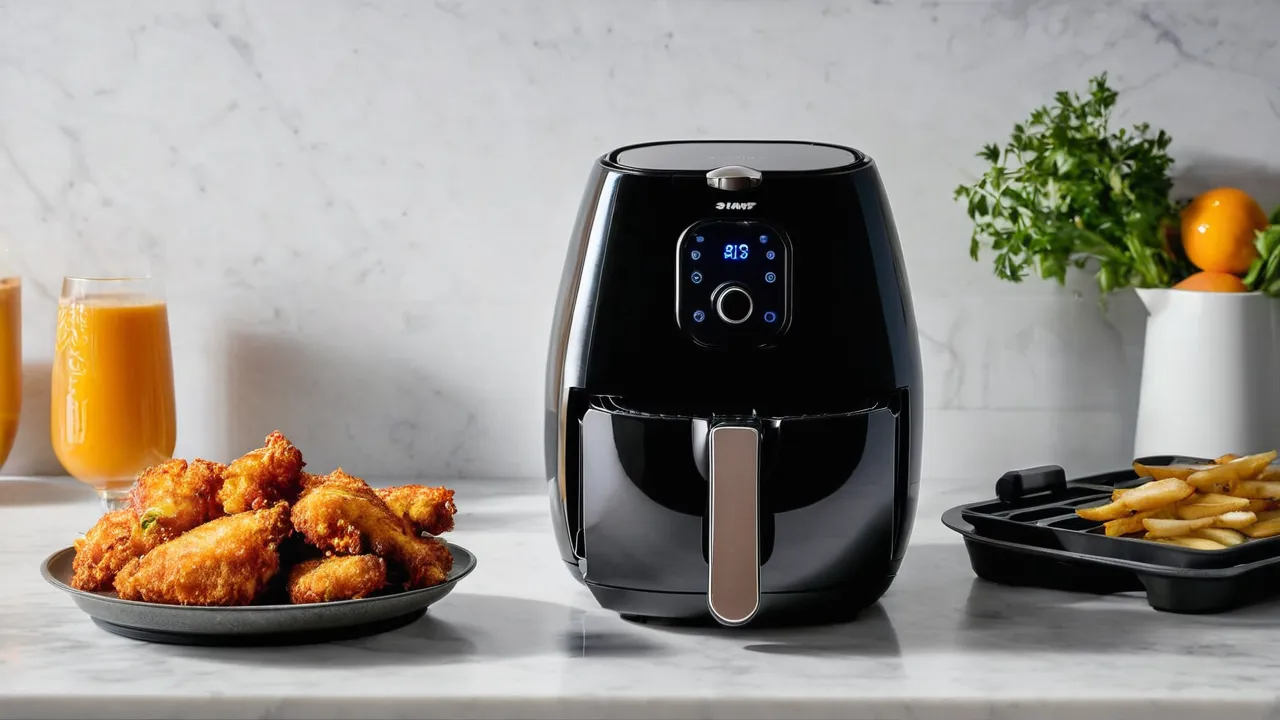
A short list of air fryer accessories is worth buying: a rack that fits your basket, a reusable silicone liner or perforated parchment, a pump oil mister, silicone tipped tongs and a small oven safe dish if the manual allows. Skip big accessory kits, novelty molds and anything coated or flimsy. Measure your basket first, confirm the material is rated for the heat you use, and make sure nothing blocks airflow or touches the heating element.
Accessory sets are everywhere, often sold in bundles of ten or more pieces. Most owners use two or three. This guide sorts accessories by fit, material safety and what they actually replace, so you buy only what you will use.
Check Fit and Airflow First
An accessory must fit the basket or chamber without blocking airflow or touching the heating element. Air fryers cook by moving hot air around food, so anything that fills the basket, covers the vents or sits too close to the element hurts results and can be unsafe.
Measure the inside of the basket, including depth, and note the shape. A round accessory in a square basket wastes space. Check the manual for what it permits inside, since some manufacturers prohibit certain materials. When buying, read the product dimensions, and look for stated compatibility with a basket size or capacity range, remembering that quart ratings do not tell you the shape.
Also check clearance under the heating element. Accessories that raise food, such as a rack, move it closer to the element. Make sure there is still room for air to move and for food to brown without scorching.
A Fit Check With Made-Up Measurements
Say your basket measures 8 inches across and 3 inches deep inside. A round rack 7.5 inches across fits with a little room, but a 9 inch rack will not sit flat. If the rack legs are three quarters of an inch tall, they raise food that much, so a food item that is 2 inches tall reaches 2.75 inches from the basket floor. Compare that with the clearance the manual or product page gives to the heating element, and leave a gap for air to move. If you cannot find the clearance, use lower foods on the rack or skip it. Take your own measurements before you order.
Accessories Worth Buying
A fitted rack or trivet
A rack lifts food off the basket floor so that air reaches the underside, and it can hold a second layer in some baskets. Stainless steel racks are durable and dishwasher safe. Pick one with legs that clear the basket’s base and a design you can clean. Check that it does not scratch a nonstick basket, and look for rounded edges.
Reusable silicone liners or pots
Silicone mats and pots catch drips and make cleanup easier. They replace single use paper liners, so they reduce waste. Choose food grade silicone rated for air fryer temperatures, check the manufacturer’s maximum temperature, and look for designs with raised edges or holes that allow airflow. A liner must not cover the vents.
Perforated parchment
Perforated paper liners allow airflow and ease cleanup. Weigh them down with food, since a light sheet can lift into the element. They are a consumable, so buy in modest quantities.
Pump oil mister
A refillable mister gives a fine, even coat of oil without aerosol propellants, which several manufacturers warn can damage coatings. It is cheap and used often. Pair it with an oil whose smoke point sits above your cooking temperature.
Silicone tipped tongs
Metal tongs scratch nonstick baskets, and silicone tips protect them. Long handles keep your hand away from the hot basket.
Small oven safe dish
A small metal or ceramic dish rated for the air fryer lets you cook casseroles, eggs or sauces. Check the manual for allowed materials, and make sure the dish fits with clearance. Handle hot dishes with a sling or tongs.
Choosing Between a Rack and a Liner
These two solve different problems. A rack improves airflow and crisping, and suits foods that sit flat, such as breaded cutlets or bacon. A liner solves cleanup, and suits sticky or messy foods such as marinated chicken or glazed vegetables. Many owners use both, with a liner in the tray under the rack to catch drips. If you can only buy one, buy the item that addresses the task you find most annoying. People who hate scrubbing choose a liner, while people who dislike soggy bottoms choose a rack.
Accessories for Toaster Oven Style Units
Oven style air fryers use trays, wire racks and sometimes a rotisserie spit that came in the box. Extra accessories here are mainly pans that fit the rack positions. Check the interior dimensions against the pan size, and compare against the manual’s list of safe pans. A pan that is too large blocks the airflow or touches the walls. See the best dual air fryer roundup for how capacity and layout vary across formats.
Accessories to Skip
- Huge multi-piece kits where you will use only a couple of items.
- Molds and novelty shapes for one off recipes.
- Cheap coated or painted accessories whose coating may flake.
- Foil liners that cover the basket and block airflow, unless your manual allows them.
- Skewer racks you will not use if you do not make kebabs.
- Extra baskets that do not fit your model.
- Accessories with unclear material information, since you cannot verify heat or food safety.
Be skeptical about sets that claim to fit every model. Fit varies, and a loose rack or a tight pan can be annoying or dangerous.
Material Safety Basics
Look for stainless steel, food grade silicone and oven safe ceramic or glass for the temperatures you use. Avoid items that smell strongly of chemicals when heated, items with peeling finishes, and anything that is not marked for oven or air fryer use. Check manufacturer information for the maximum temperature. If an accessory has no stated temperature rating, treat that as a reason to skip it.
Aluminum foil needs caution. Small pieces under food can help with cleanup, but loose foil can lift into the heating element or block airflow, and acidic foods can react with foil. Follow the manual.
Silicone accessories should be washed before first use, and they can hold odors, so wash them well. Non-metal tools protect the basket, and a soft brush cleans racks.
Cleaning and Replacing Accessories
Accessories need care too. Wash racks and dishes promptly, since baked on food is harder to remove, and check whether they are dishwasher safe. Silicone can stain and retain odors, so soak it in warm soapy water or a baking soda solution. Replace accessories that warp, crack, peel or stay sticky after washing. A liner that has become brittle or discolored should go, because degraded silicone may not hold up to heat. Keep accessories in one drawer near the air fryer so that you do not buy duplicates.
Accessories That Reduce Waste
If you want to cut waste, choose reusable options: silicone liners, stainless racks, a refillable oil mister and washable baskets. These replace paper liners, aerosol cans and disposable foil trays. They cost more up front and need cleaning, so choose them if you cook often. If you rarely use the air fryer, disposable perforated parchment may be easier.
A Starter Buying Order
Buy in this order and stop when your needs are met. First, a rack that fits, if you cook food that benefits from airflow underneath. Second, a reusable silicone liner or perforated parchment, if cleanup is your biggest annoyance. Third, a pump mister for oil. Fourth, silicone tipped tongs if you own a nonstick basket. Fifth, a small oven safe dish if your manual allows it and you cook casseroles or eggs. Wait a few weeks between purchases, and note which items you actually reach for. Anything unused after a month is a sign to stop buying.
Who Should Buy What
- Buy a rack, a silicone liner and a mister if you use the air fryer weekly.
- Buy a small dish if you cook eggs, casseroles or reheated sides.
- Skip big sets if you do not cook varied recipes.
- Skip accessories until you have used the air fryer for a few weeks, so you know what you need.
- Browse the air fryers category for models whose baskets accept racks and dishes.
Frequently Asked Questions
What air fryer accessories are actually worth buying?
A rack that fits your basket, a reusable silicone liner or perforated parchment, a pump oil mister, silicone tipped tongs, and a small oven safe dish if the manual allows. Most owners use only two or three accessories. Measure the basket first and check material heat ratings.
Can I use aluminum foil in an air fryer?
Check your manual first. Small pieces under food can help cleanup, but loose foil can lift into the heating element or block airflow, and acidic foods can react with foil. Weigh any liner down with food, and never cover the vents or the whole basket.
Are silicone air fryer liners safe?
Food grade silicone rated for the temperatures you use is generally appropriate. Check the maker maximum temperature, wash it before first use, and choose designs with raised edges or holes so they do not block airflow. Replace liners that warp, crack, or stay sticky.
Do I need an air fryer accessory kit?
Usually not. Kits often include ten or more pieces, and most owners use two or three. Buy a fitting rack, a liner, and a mister first, and add other items only when a recipe needs them. Skip kits with unclear material information.
Final Thoughts
A few well chosen accessories improve air fryer cooking, and the rest is clutter. Measure your basket, check heat ratings, and ensure nothing blocks airflow. Buy the rack, liner and mister first, and add other items only when a recipe calls for them. For how we think about value over time, read how we review.
Related buying guides
- Air Fryer Basket Materials: Nonstick, Ceramic, Steel
- Air Fryer Buying Mistakes That Waste Money
- Air Fryer Electricity Cost vs Oven
About the author

The BuyOnceChoice Editorial Team researches durable products worth buying once. Our guides compare published specifications, warranty terms, expert review consensus, and verified owner feedback. We do not conduct our own product trials. See How We Review and our Editorial Policy for our standards.