Spikes, Isolation Pads and Decoupling: Do They Help?
Spikes couple a speaker to the floor, and pads decouple it. Each can help in the right place and cause harm in the wrong one. Protect floors, watch stability.
 By BuyOnceChoice Editorial Team
Updated November 16, 2026
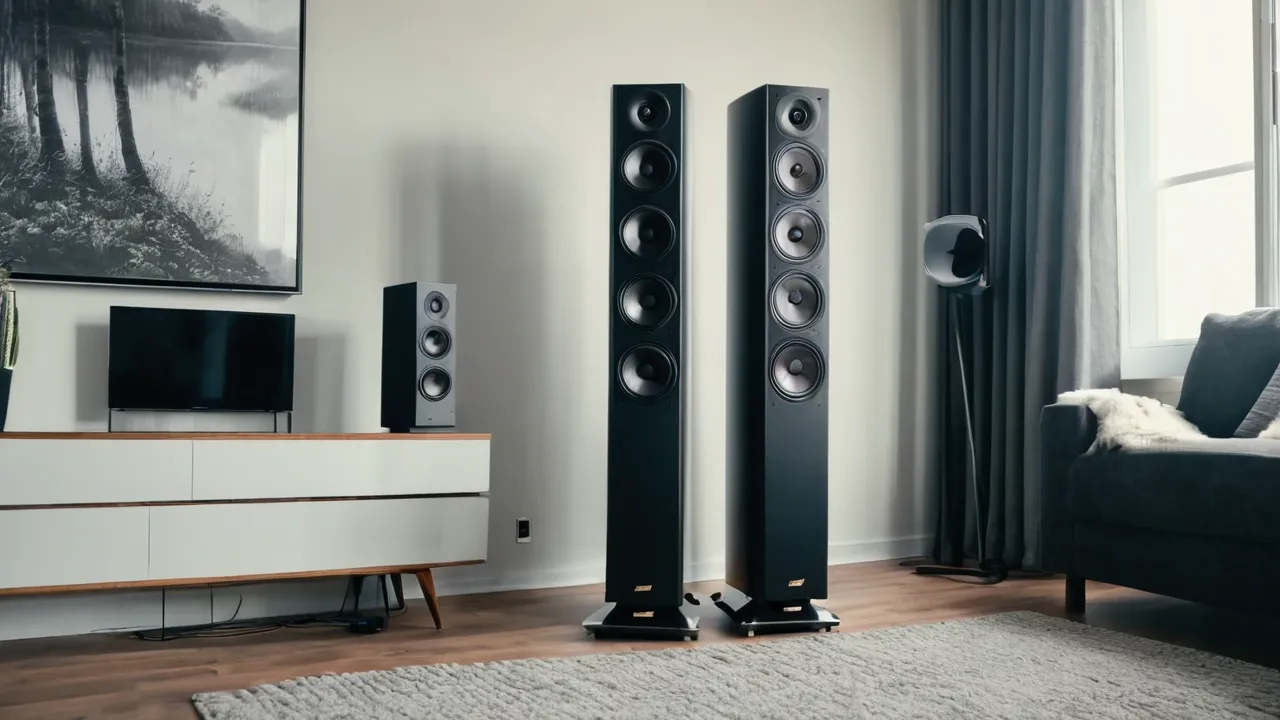
Speaker spikes are pointed metal feet that couple a speaker to the floor, and isolation pads are soft or damped feet that decouple it. Use spikes on carpet over a solid subfloor to steady a tall speaker. Use pads on hard floors and shelves to protect the surface and reduce vibration. Neither fixes poor placement or a boomy room.
What each one does
A spike is a threaded metal point that screws into the base of a floorstanding speaker. It pierces carpet and rests on the floor beneath. The aim is to make the speaker rigid on the floor, so that it does not rock and its cabinet vibrations drain away.
An isolation pad sits between the speaker and the surface. Materials include dense foam, rubber, cork and layered composites. The aim is the opposite of the spike: to keep the speaker’s vibration from traveling into the floor or shelf, and to keep the surface from rattling.
Both ideas have a plausible basis. Coupling suits speakers that need to be stable, and decoupling suits situations where the surface resonates or a neighbor hears the bass. The audible effect depends on the floor, the speaker and the room, and it is often smaller than sellers suggest.
Floor safety and tipping risk
Spikes concentrate the speaker’s weight on small points. On a hard floor, such as hardwood, tile or stone, they can dent, scratch or crack the surface. Spikes can damage floors and tip tall speakers, so use them with care and think twice on a surface you care about.
Use spike protectors, which are small discs that sit under each spike, on hard floors. They spread the pressure and keep the point from marking the surface. If you rent, or the floor is valuable, avoid bare spikes. On carpet over concrete, spikes are generally safe. On carpet over a wooden subfloor, check that the point does not damage the wood beneath.
Tall speakers can tip, especially when a child or a pet bumps them. Spikes raise the speaker slightly and narrow the contact area, which can make a tall, narrow speaker less stable on a carpet that squashes unevenly. Adjust all four feet so that the speaker sits level and does not rock when you push it gently.
Use care around children. Consider outriggers, which are wider feet that come with some floorstanders, or a heavier base plate. Some speakers offer a way to anchor them to a wall or the floor. If the manual describes a securing method, follow it. Keep cables out of the way so that no one trips and pulls a speaker over.
When spikes help and when pads help
- A tall floorstander on carpet that wobbles when you touch it.
- A speaker on a solid floor where you want a firm, rigid contact, and you have spike protectors.
- A speaker whose manual recommends spikes for stability.
In each of these cases, the main benefit is stability. A claim that spikes change the tonal balance or tighten the bass has some support in theory and mixed support in practice, so treat any tonal change as a bonus and not as the reason to buy.
When pads help
- Bookshelf speakers on a shelf or desk that buzzes at certain notes.
- Speakers on a hard floor that you want to protect from scratches.
- A subwoofer on a wooden floor where bass travels into the room below.
- Speakers on stands where the stand top rattles.
Pads cost little, do no harm to surfaces and are easy to remove. They are the safer choice for renters.
What they will not fix
Spikes and pads do not fix a speaker that sits too close to a corner, a room with strong bass peaks, or a speaker pointed in the wrong direction. They do not fix poor amplifier settings or a bad crossover. If bass sounds boomy, change placement and settings first.
Honest value
For most listeners, the benefit of spikes or pads is modest. Stability and surface protection are real. Large changes in sound are not guaranteed. Spend the money on placement, stands and room treatment first, and add feet when you have a reason.
Floors and surfaces
Wood floors with a gap beneath can resonate, so a spike on a hollow floor may feed vibration into it. Concrete floors are rigid, and spikes work well on carpet over concrete. Tile floors are hard and brittle, so use protectors. Glass and stone tops need soft feet.
Sub placement and platforms
A subwoofer on a floor shakes the floor. A dense platform or isolation feet reduce the effect on neighbors. A heavy platform, such as a concrete paver on soft pads, is a common DIY idea, though the benefit varies. Check the weight rating of any platform, and do not stack things on a surface that was not built for the load.
Who should choose what
Choose spikes for tall speakers on carpet with a solid base, and pads for shelves, hard floors and rentals. If you are unsure, start with pads because they are safe and reversible. Browse home theater speakers for models that include feet in the box, and read our How We Review page for our approach to claims.
Materials and how they differ
Rubber and foam pads absorb vibration and stay soft. Cork is firm and damped. Metal and hard composite feet are rigid and transmit vibration. Some feet combine a hard core with a soft layer. Match the material to the goal: soft for decoupling, firm for stability.
Checking whether a tweak helped
Play a familiar track with strong bass, make one change and listen again at the same volume. Better still, have someone swap the feet without telling you which is in place. If you cannot hear a difference, keep whichever is safer for the floor. Do not chase tiny differences at the expense of safety.
Cleaning and inspecting feet
Check threads and feet from time to time. Spikes can loosen over the months, and rubber can harden. Tighten the locking nuts according to the manual, wipe the feet clean, and replace worn pads. Inspect the floor under the speaker for marks.
Alternatives that often work better
Moving a speaker a few inches, adding a rug, using sturdy stands or pointing the speaker toward the seat does more than feet for most rooms. For tall speakers that need extra stability, a wider base plate is often better than spikes. Match the amplifier to the speakers using our AV receivers category.
Spike and pad mistakes and how to fix them
Mistake 1: Putting bare spikes on a hard floor
Bare points scratch and dent hardwood and tile. The fix is to use spike protectors or to switch to pads. If the speaker already left marks, stop using the spikes on that surface.
Mistake 2: Leaving the speaker rocking
A speaker that wobbles on three of four feet vibrates against the floor and is unsafe. The fix is to adjust each foot until the speaker sits level and does not move when you push gently from the side.
Mistake 3: Expecting a big change in sound
Feet do not turn a poor speaker into a good one. The fix is to treat feet as stability tools, move the speaker for tonal changes and change settings before you change hardware.
Mistake 4: Stacking soft pads under a tall speaker
Soft pads under a tall, narrow speaker can make it wobble and raise the tipping risk. The fix is to choose firm pads or a base plate, and keep the stack low.
Mistake 5: Forgetting children and pets
Households with children or pets face a higher chance of a speaker being pushed or pulled. The fix is to use wide feet or outriggers, secure the speaker as the manual describes, and keep cables tidy.
A simple decision path
Walk through three questions. Is the floor hard and valuable? Then use pads, or spikes with protectors. Is the speaker tall and does it wobble on carpet? Then use spikes on a solid floor, with the feet leveled and locked. Does a shelf buzz or a neighbor hear bass? Then use pads or a heavy platform, and lower the level at night. If more than one answer applies, safety and the floor come first, and tone comes last.
Frequently Asked Questions
Should I use spikes or pads under floorstanding speakers?
Use spikes on carpet over a solid floor to steady a tall speaker, and use pads on hard floors to protect the surface. If you rent or are unsure, start with pads. Whichever you choose, level the speaker so it does not rock.
Will speaker spikes damage hardwood floors?
They can. The pointed tips concentrate weight and can dent or scratch wood, tile and stone. Use spike protectors under the points, or switch to pads. If the floor is valuable or you rent, avoid bare spikes altogether.
Do isolation pads improve sound?
Sometimes, in specific cases. They can stop a shelf from buzzing and reduce bass that travels into a floor. They do not fix room problems. The change is usually small, so choose pads for surface protection and rattle control first.
Can spikes make a speaker more likely to tip?
They can, on a tall, narrow speaker if the carpet is uneven or the feet are not level. Adjust all feet so the speaker does not rock, use outriggers when provided and secure the speaker if children or pets share the room.
Final Thoughts
Spikes steady tall speakers on carpet, and pads protect surfaces and tame rattles. Neither is a cure for poor placement. Protect your floors, keep every speaker level and secure around children and pets, and spend first on placement and stands. Add feet when you have a clear reason.
Related buying guides
- Speaker Stand Height and Weight Guide
- Speaker Warranty and Parts Support: Buy Once Checklist
- Speaker Wire Gauge Chart: Match AWG to Run Length
About the author

The BuyOnceChoice Editorial Team researches durable products worth buying once. Our guides compare published specifications, warranty terms, expert review consensus, and verified owner feedback. We do not conduct our own product trials. See How We Review and our Editorial Policy for our standards.