How Long Do Air Purifiers Last and When to Replace
How long do air purifiers last? Learn what wears out first, filter replacement timing, sensor and motor issues, and a repair-or-replace rule.
 By BuyOnceChoice Editorial Team
Updated November 16, 2026
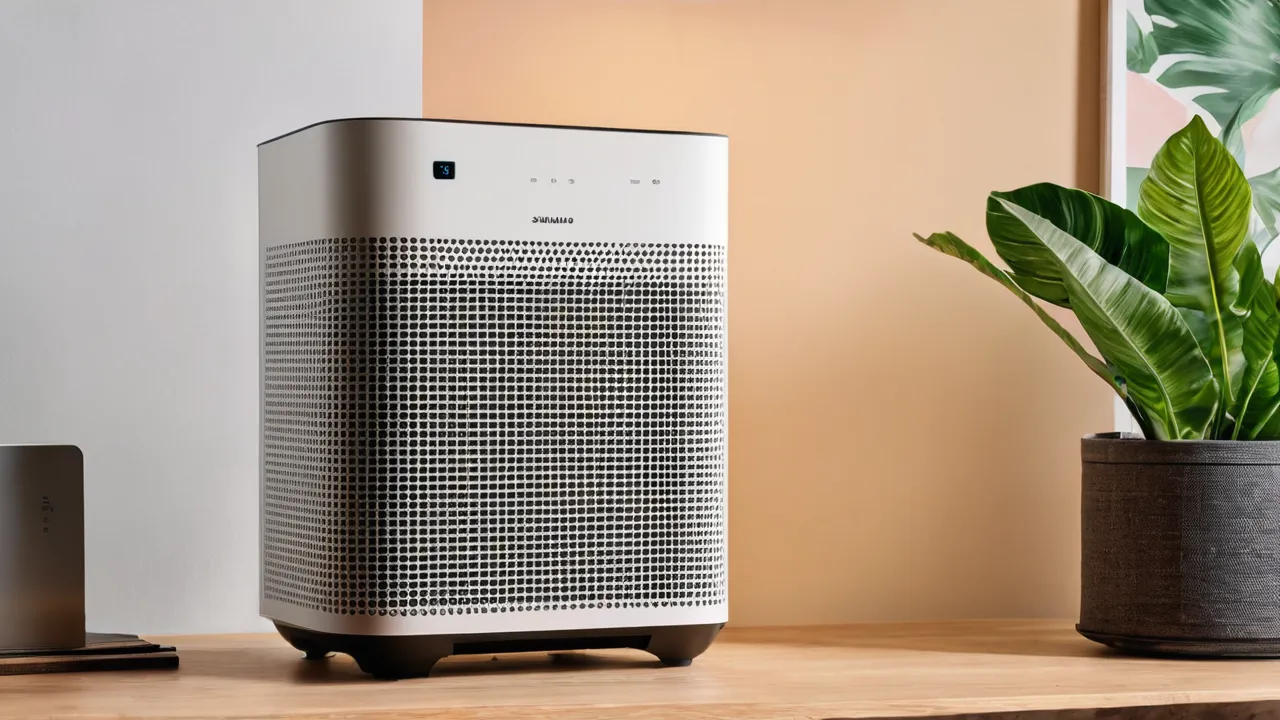
How long do air purifiers last? The unit often serves for many years, but the filters wear out in months to a couple of years. The motor and fan are the long-lived parts, while sensors, boards, and proprietary filters decide whether the purifier stays useful. Part availability matters as much as build quality.
Filters Wear Out, Machines Keep Running
A purifier is a fan, a motor, a filter set, and sometimes sensors and a display. The filters do the work and the filters clog. Makers give replacement intervals for pre-filters, HEPA filters, and carbon filters, and the intervals depend on how dirty your air is. Smoke, pets, construction dust, and cooking raise the load. A filter that is clogged forces the fan to work harder, lowers airflow, and cleans slowly.
Because filters are consumables, buy a model whose replacement filters are easy to find at a reasonable price. A purifier with a discontinued or very expensive proprietary filter becomes a poor value, even if the motor is fine. Check how long the maker has supported its filters, and whether generic fits exist.
The Motor and Fan
Purifier fans are usually brushless DC motors or similar designs that run for a long time. Wear comes from dust in bearings, constant use, and heat. A fan that whines, rattles, or slows may be dirty or worn. Cleaning the fan housing and intake when you change filters helps. A failing motor is usually a replacement case, because parts are rarely sold separately.
Sensors and Electronics
Many purifiers include particle sensors, VOC sensors, and humidity sensors that trigger auto mode. Sensors can drift or get dirty, and the machine may run too high or too low. Wipe the sensor window as the manual says, since dust affects readings. A failed sensor can leave the unit in a fixed mode, and control boards are rarely sold to consumers. If an auto mode behaves strangely, try manual speeds and see whether performance is still good.
Part Availability and Support
Smart purifiers depend on apps, and apps depend on support. If the maker retires an app or stops updating, some features may stop working. Check for a manual mode and physical controls, so the unit remains useful without an app. Read the warranty for terms on the motor and electronics, and see whether the maker sells replacement parts such as fans and pre-filters. Our air purifier guides show models with long filter support.
Before you buy, find the replacement filter by its exact model number on the maker page and note whether the HEPA and carbon filters are sold separately or only as a bundle. A model whose filters are sold through several sellers, with a stated support period, is far safer for long term use than one sold through a single listing. Also check whether the pre-filter is washable, since that part decides how often you buy the expensive one.
Signs a Purifier Is Wearing Out
- Airflow noticeably weaker on the same setting with a fresh filter.
- Noise changes, such as rattling, whining, or grinding.
- Persistent error lights after changing the filter and resetting.
- Sensor readings stuck or inconsistent.
- A burning smell or overheating, which means you should unplug it.
- Loose or cracked housing that lets air bypass the filter.
Check a simple thing first. A purifier that suddenly seems weak may have a filter that was installed incorrectly, a missing seal, or a blocked intake.
If you suspect the unit is worn out, run it for a day on a medium speed with a clean filter and note the room, the sound and the airflow at the outlet. Then compare that with the same checks right after you install a new filter. Only the machine that still sounds rough or moves weak air with a fresh filter is a real replacement case.
Extending Life: Habits, Filters and Placement
- Replace or clean filters on schedule, sooner during smoke or construction.
- Vacuum the pre-filter every few weeks.
- Keep the intake and exhaust clear of walls, curtains, and furniture.
- Wipe sensors with a dry cloth as the manual directs.
- Avoid running the unit in damp bathrooms or in rooms with cooking oil mist.
- Do not wash a HEPA filter unless the maker says it is washable.
- Plug into a stable outlet and avoid cords that are damaged.
Filter Replacement Timing in Practice
Manufacturer intervals are starting points. A bedroom purifier running on a low speed in a clean home may need a new HEPA filter less often than the maker suggests. A purifier in a home with smokers, many pets, or a wood stove may need a new filter much sooner. Look at the filter instead of relying only on the timer. A HEPA filter turns gray to dark brown as it loads, the pleats stay packed with dust, and airflow from the outlet drops. A carbon filter may smell or stop reducing odors, though that is harder to judge by eye.
Many purifiers include a filter-life indicator based on running hours, and a few use sensors that detect clogging. Treat the indicator as a reminder. If you have a smoke event, check the filter right afterward, since a heavy event can clog it in days. Keep a spare filter, and write the date of each change on the unit or in a note.
The Pre-Filter Is Your Best Friend
A washable or vacuumable pre-filter catches hair and big dust, so the HEPA filter lasts longer. Clean it every few weeks, following the manual, and let it dry completely before reinstalling. This simple habit can stretch the life of a costly filter and keeps airflow strong.
Environment and Placement Effects
Where the purifier sits affects its life. Placing it right next to a wall or in a corner can starve the intake and make the motor work harder. A unit in a kitchen sees grease, which coats the filter and the fan. A unit near a litter box or a bathroom sees humidity and dust that load the filter quickly. Give the unit space on all sides, keep it off thick carpet where the intake can pick up lint, and avoid damp areas. Our placement guidance for purifiers explains the clearances in more detail.
Finally, think about the daily running pattern. Running a purifier on the lowest speed around the clock tends to be gentler on the motor and quieter than cycling between high and off. A steady schedule keeps the air clean without sudden noise, and you can raise the speed when pollen or smoke is heavy.
Repair or Replace
- A clogged filter: replace the filter, not the unit.
- A noisy fan with dust buildup: clean it first.
- A failed sensor or board on a low-cost unit: usually replace.
- A motor failure outside warranty: usually replace.
- A unit under warranty: contact the maker.
- A well-built unit with available filters and a small fault: consider repair if parts are available.
Cost Over Time
The true cost of a purifier is the purchase price plus filters over the years. Add up the yearly filter cost and the electricity cost at the speed you run. A cheaper unit with expensive filters can cost more than a pricier unit with cheap filters. The How We Review page explains how we treat running costs.
Decision Rules
- Run it daily in a smoky or pet-heavy home: expect to change filters more often, and choose a unit with cheap filters.
- Light use in a small bedroom: filters last longer, and the unit may serve for a long time.
- Prefer longevity: choose manual controls and replaceable parts over app-only features.
- Budget buyer: compare the total of unit plus two years of filters.
See also the home appliances hub for related guides.
Finally, record the purchase date and the date of each filter change. When the unit seems tired, that record tells you whether the problem is an old filter or an old machine.
Frequently Asked Questions
How long do air purifiers last?
Many purifiers keep running for years, because the fan motor is a long-lived part. Filters wear out much sooner, and sensors, boards and discontinued filters often end a unit before the motor does. Warranty terms and filter availability are better guides than any single number.
How often should I replace the HEPA filter?
Follow the maker interval, which many manuals give as months to about a year, then adjust by looking at the filter. A gray to dark brown filter with packed pleats and weaker outlet airflow is ready. Smoke, pets, cooking and construction dust shorten the interval.
Is it worth repairing an air purifier?
Usually only for a small fault on a well-built unit with available parts, or while it is under warranty. A clogged filter calls for a new filter, not a new unit. A failed motor, sensor or control board outside warranty is usually a replacement case, since boards are rarely sold to consumers.
Does running an air purifier all the time shorten its life?
Not necessarily. Running a purifier on a low speed around the clock is generally gentler on the motor than cycling between high and off, but it loads the filters, so they need replacing on schedule. Keep the intake clear and clean the pre-filter every few weeks to protect airflow.
Final Thoughts: Plan for the Filters, Not Just the Box
An air purifier’s motor can last for years, but filters and sensors set how useful it is. Choose a model with accessible filters and manual controls, clean on schedule, and replace the unit when the motor or board fails out of warranty.
Related buying guides
- Ozone and Air Purifiers: Which Features to Avoid
- True HEPA vs HEPA-Type Filters: What Matters
- Air Purifier Filter Replacement Cost: Buy Once Math
About the author

The BuyOnceChoice Editorial Team researches durable products worth buying once. Our guides compare published specifications, warranty terms, expert review consensus, and verified owner feedback. We do not conduct our own product trials. See How We Review and our Editorial Policy for our standards.