Smooth vs Rough Cast Iron Surface: What Changes
Surface finish changes how seasoning builds, how food releases and how the pan sits on a stove. See what actually differs.
 By BuyOnceChoice Editorial Team
Updated November 16, 2026
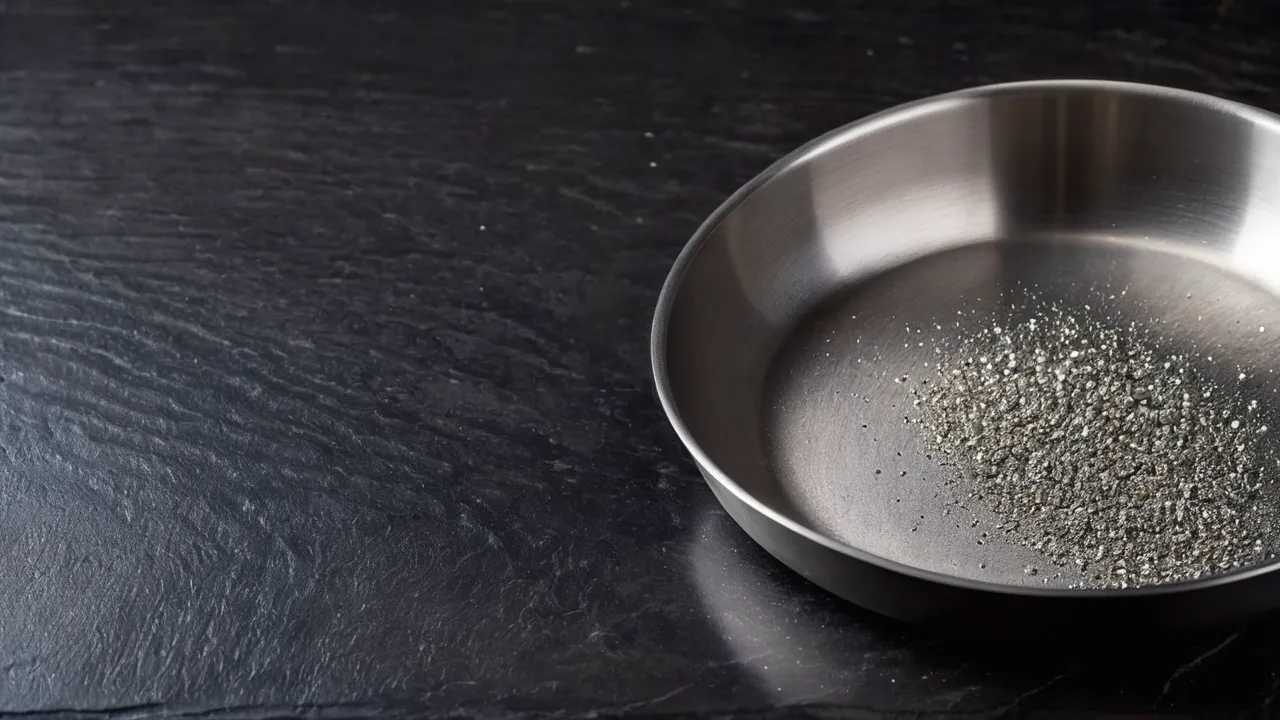
Smooth vs rough cast iron: a smooth cooking surface releases food more easily at first, is quicker to season evenly, and is easier to clean and scrape, while a rough, as-cast surface is common on modern pre-seasoned pans, grips seasoning well over time, and can be just as nonstick once built up. Smooth is easier to live with early on, and rough is fine if you cook often and season regularly.
Why Cast Iron Surfaces Differ
Cast iron pans are made by pouring molten iron into a mold. Many modern pans are cast in sand molds, which leaves a slightly pebbled, textured surface unless the maker grinds or machines it. Some vintage pans and some premium modern pans have a smoother cooking surface, either because they were cast in finer molds or because the surface was machined and polished after casting.
The difference is something you can see and feel. A rough surface looks grainy and slightly bumpy, like fine sandpaper, and a smooth surface looks glassy and feels slick even before seasoning. Both are cast iron and both cook well. The texture changes how the first layers of seasoning go on, how food releases early on, and how the pan feels during cleaning.
It is easy to overstate the difference. Many cooks use rough pans for years with excellent results, and the surface evens out with seasoning. But if you hate sticking, or if you plan to cook eggs and fish, smooth has an edge during the first months.
What Changes in Cooking
- Food release: a smooth surface gives food less to catch on, so eggs, fish, and pancakes release more easily from the start. A rough surface can grab at first, though seasoning fills the low spots and improves release over time.
- Seasoning: oil polymerizes into the pores and texture. A rough surface has more area to hold seasoning, which can make it durable, but uneven oil layers can pool and turn sticky. A smooth surface seasons in thinner, more even layers and is more forgiving.
- Searing: both sear well. Texture has little effect on browning, since heat retention and thickness dominate.
- Cleaning: a smooth pan wipes clean more easily. Rough pans may trap bits of food in the texture, which a brush or scraper helps with.
- Utensils: metal spatulas slide more easily over a smooth surface, though both should be used with care.
Weight and Handling
Smooth pans are often thinner and lighter, particularly vintage ones, which makes them easier to lift and flip. Rough-cast modern pans are usually heavier, with thicker walls. A lighter pan heats up faster and responds quicker to changes, and a heavier pan holds heat longer. Neither is better by itself, so choose what suits your wrist and your cooking style. Check the stated weight on the product page, and note that weight varies widely by size and maker.
Durability and Long-Term Use
Both surfaces last for generations when cared for. Over time, a rough pan builds up layers of seasoning that smooth the surface, and many owners report that old rough pans become slick. A smooth pan keeps its feel, though it can look worn if the seasoning is stripped by acidic foods or scrubbing. Neither type is more likely to crack, since cracks come from thermal shock and defects, not texture.
If you plan to strip and re-season often, both are fine. If you plan to buy a pan once and use it for decades, durability matters more than the first-week feel.
How to Tell Which You Are Buying
- Look at close-up photos on the product page. A grainy texture means rough, and a mirror-like finish means smooth.
- Read the description for words like machined, polished, ground, or milled for smooth, and pre-seasoned or sand-cast for rough.
- Check reviews for comments on texture, which owners often mention.
- Run a fingernail lightly across the surface of a pan in a store. A rough pan feels gritty.
- If the page does not say, treat the pan as rough, and contact the maker if surface matters to you.
Smoother finish often comes with a higher price, since machining takes time. If your budget is limited, a rough pan used regularly will still do an excellent job.
Who Should Choose Which
| Buyer | Better choice |
|---|---|
| Beginner who wants easy release | Smooth |
| Cook who fries eggs and fish often | Smooth |
| Budget-focused shopper | Rough, pre-seasoned |
| Camping and outdoor cooking | Rough is fine |
| Cook who loves vintage pans | Smooth, with restoration |
| Cook who seasons regularly and cooks fatty foods | Either |
Our cast iron cookware guides explain how to choose and care for pans. If you want a less fussy surface, stainless steel cookware is another option. Our How We Review page explains how we evaluate products using research and specifications, and the cookware and kitchen tools section covers related gear.
Can You Smooth a Rough Pan?
Yes, with effort. Some owners sand the cooking surface of a rough pan with fine sandpaper or a random-orbit sander, working through finer grits, then wash, dry, and re-season. It takes time and removes the factory seasoning, and results vary. It does not harm the pan if done evenly, but it is a project for patient cooks, not a requirement. Wear a dust mask and eye protection, work outside or in a ventilated area, and clean every trace of dust before seasoning. If you only want better release, regular cooking and thin seasoning will smooth the pan over time.
A Worked Example
A beginner buys a rough pre-seasoned skillet for a fair price, and eggs stick for the first few weeks. After a month of frying bacon, potatoes, and cornbread, with light oiling after each wash, the surface darkens and release improves. A second cook with the same habits chooses a smoother pan and sees good release from the first week. After a year, the two pans perform similarly, which shows how much care shapes the result.
Seasoning Tips for Each Surface
On a rough surface, wipe the oil off thoroughly before baking, because oil pools in the low spots and turns tacky. Use a lint-free cloth and press until the pan looks almost dry. Bake at a high temperature for an hour, cool in the oven, and repeat a few times. On a smooth surface, the same thin-coat approach applies, but you can see more clearly when the oil layer is even, since any pooling shows as a glossy patch. For both, ventilate the kitchen while the oil smokes, and use mitts for handling the hot pan.
After the initial seasoning, maintain the surface by cooking fatty foods, drying the pan on a burner after washing, and wiping on a drop of oil. If the surface turns sticky, bake the pan again at high heat. If it turns gray or rusty, scrub, dry, and season again.
Cleaning Differences
Smooth pans clean with a soft sponge, hot water, and a drop of soap. Rough pans may need a stiff brush or a chain-mail scrubber for food stuck in the texture. Avoid long soaks on either, and never use the dishwasher. If food sticks in a rough pan, simmer a little water in it for a few minutes, scrape with a flat wooden or silicone spatula, and rinse. A bit of coarse salt on a damp cloth lifts stuck food without stripping seasoning when used lightly. Dry the pan fully on a warm burner afterward.
Matching Surface to Pan Type
The surface choice matters most for skillets and griddles, where food contacts the whole base. For Dutch ovens, grill pans, and cornbread pans, texture matters less, since the food is stirred, braised, or bathed in batter. Grill pans have ridges that already add texture. For waffle irons and shaped pans, details in the casting matter more than the finish. If you are buying a skillet for eggs, put surface smoothness near the top of your list. If you are buying a deep pot for stews, put weight, lid fit, and handle comfort first. In every case, the quality of the casting, with even thickness and no cracks or pits, matters more than whether the surface is perfectly polished.
Frequently Asked Questions
Is smooth cast iron better than rough?
Smooth is easier at first, with better early food release and simpler cleaning. Rough works just as well once seasoned, and it usually costs less. Choose smooth if you cook eggs and fish often, and rough if budget matters and you cook regularly.
Why is my new cast iron pan rough?
Many modern pans are cast in sand molds and left with their as-cast texture, then pre-seasoned. That gives a grainy feel that is normal. Seasoning and use gradually smooth the surface, though it will not become glassy like a machined pan.
Does a rough surface hold seasoning better?
It can hold seasoning well because texture gives oil more area to grip, but thick or uneven layers can turn sticky. Smooth surfaces season more evenly with thin coats. Either works if you apply very thin layers and bake them hot.
Should I sand my cast iron skillet?
You do not have to. Sanding smooths a rough surface but removes the factory seasoning, and it takes time. Regular cooking and thin seasoning improve release over time. If you try it, wear protection, clean away all dust, and re-season well.
Final Thoughts: Choose Smooth for Ease, Rough for Value
Smooth cast iron makes the early weeks easier and cleaning simpler. Rough cast iron is fine, usually cheaper, and improves with use. Check the product page for texture, and rely on thin seasoning and regular cooking to get the best from either.
Related buying guides
- Vintage vs Modern Cast Iron: Is Old Worth Buying?
- Can You Wash Cast Iron With Soap? Care Rules
- Cast Iron on Glass Top Stoves: What Is Safe
About the author

The BuyOnceChoice Editorial Team researches durable products worth buying once. Our guides compare published specifications, warranty terms, expert review consensus, and verified owner feedback. We do not conduct our own product trials. See How We Review and our Editorial Policy for our standards.