Made in USA Work Boots: What the Label Really Means
Made in USA, assembled in USA and built with imported materials are not the same claim. Learn how to read them and when origin affects repair and parts.
 By BuyOnceChoice Editorial Team
Updated November 16, 2026
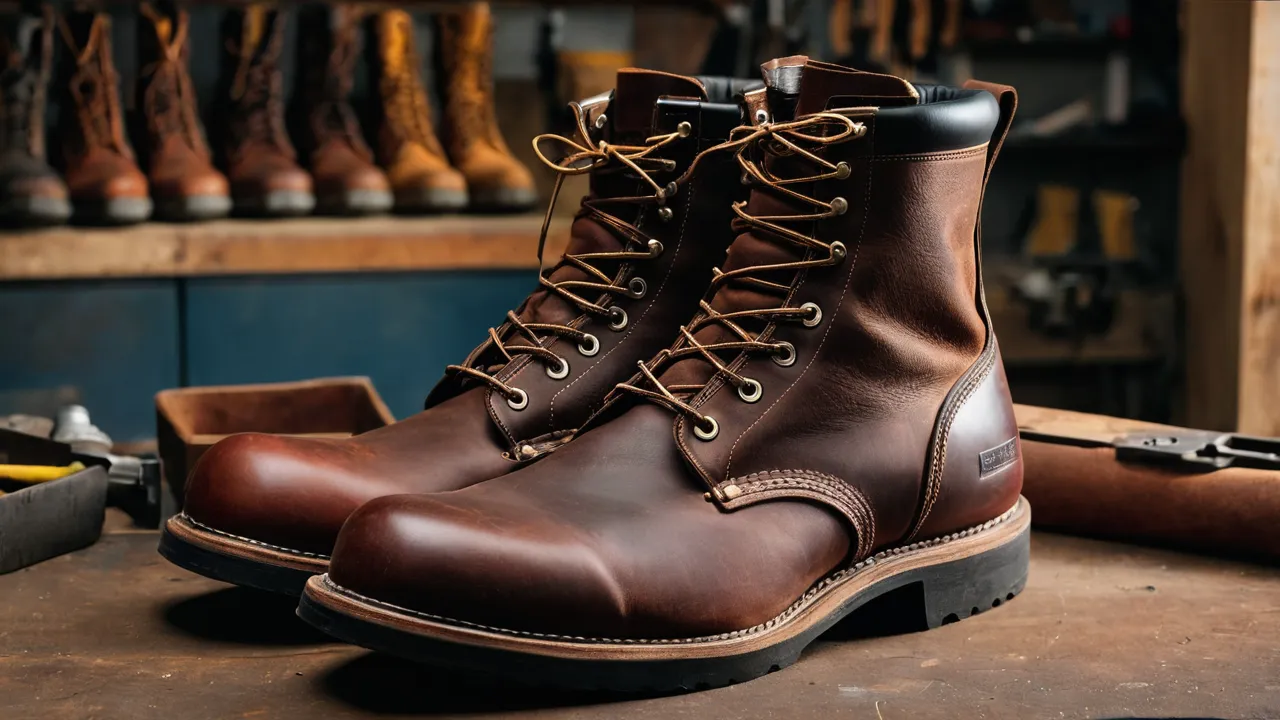
Made in USA boot labeling is meant to tell you that the product is all or virtually all made in the United States, while phrases such as assembled in the USA or built in the USA can mean imported components were put together here. Read the full wording, ask what is imported, and decide whether origin matters to you for support, repair and parts. The label is a claim about origin, not a guarantee of quality.
What the label is supposed to mean
In the United States, the Federal Trade Commission treats an unqualified Made in USA claim as a statement that the product is all or virtually all made here. That means final assembly takes place in the country and that all significant parts and processing are domestic, with negligible foreign content. Companies can make qualified claims, such as made in USA with imported materials, which describe the mix. For the exact legal standard, check the FTC’s own guidance, since this guide is general information and not legal advice.
Boots are complex products with leather, thread, hardware, soles, liners and safety components. Not all of these are produced in one country. A boot can be assembled domestically from imported hides, and the label wording tells you how the maker describes that.
Reading the wording
| Phrase | What it usually signals | Question to ask |
|---|---|---|
| Made in USA | All or virtually all domestic | Are any parts imported? |
| Assembled in USA | Final assembly here, parts may be imported | Where do leather and soles come from? |
| Built in USA with imported materials | Domestic construction, imported inputs | Which materials? |
| Designed in USA | Design only, made elsewhere | Where is it made? |
| Made in USA of domestic and imported materials | Mixed | What share is imported? |
Treat vague claims with caution. A flag on the product page is not the same as a label stating the origin. If a boot has a tag inside or on the box, read it. If the claim matters to you, contact the maker and ask for specifics. Good makers answer clearly. Our how we review page explains how we treat claims we cannot verify.
Why leather and components complicate origin
Many domestic bootmakers use leather from US tanneries, but some hides are imported, and some boots mix domestic and foreign tanning. Soles, eyelets, laces and safety toe caps may come from multiple countries. A maker can still produce a good boot with imported parts. The issue is honesty in the claim, not purity of origin.
Some makers publish which components are domestic. If a maker is open about sourcing, that is a good sign. If a maker hides it, you cannot judge the claim.
Common misunderstandings
- A US flag logo means the boot is made here. It is a design element, not a legal statement.
- Made in USA means every thread is domestic. The standard allows negligible foreign content, and qualified claims describe imports.
- A foreign factory means poor quality. Many excellent boots are made abroad.
- A US label guarantees repair. Repair depends on the maker’s program.
- An imported boot cannot have US safety markings. Markings relate to standards, not origin.
Reading the label with these in mind prevents disappointment.
When origin affects repair and parts
Origin can matter in practical ways. A domestic factory may offer recrafting and replacement parts, and shipping times can be shorter. A maker with a US repair service can resole boots and replace parts with the original materials, which suits a buy once approach. Our recraft versus cobbler guide explains repair routes.
Origin does not guarantee repair. Some US made boots have no repair program, and some imported boots have excellent service. Ask about repair and parts availability, not only the label.
Some makers who build in the United States run their own repair shops. They can replace soles, welts, insoles and other parts using the original materials, and they know the construction well. Turnaround, cost and rating status after repair vary, so ask for details. Smaller brands may build to order, which can mean waiting weeks or months for a pair, and some stop production of a style, which can complicate parts. Ask about the maker’s policy on discontinued models.
A worked example of reading a listing
Imagine two product pages. The first says “American made” beside a flag graphic, and nothing else about origin. The second says “Made in USA of domestic and imported materials” and adds that the leather is tanned domestically while the soles are imported. The second page tells you exactly what you are buying, and you can judge whether the imported soles matter for repair and parts. The first page gives you a slogan.
Next, check the boot when it arrives. Look for a tag, a stamp inside the shaft or a mark on the sole. Compare it with the listing. If the listing claims one thing and the label says another, contact the seller and keep records. A mismatch is a reason to return the boots.
If you are buying for a workplace with a domestic preference, such as some government or union contracts, ask the employer what documentation is accepted. A maker may supply a statement of origin on request. Do not assume that a retailer’s wording is enough.
Finally, decide what origin buys you. If the answer is repair access, ask for the repair terms in writing. If the answer is a sourcing preference, ask for the maker’s own description of its sources. If the answer is just a label, weigh it against fit and construction, which decide whether you will wear the boots at all.
Does origin mean better quality
Not by itself. Quality depends on materials, construction, design and quality control. A well made boot from any country can outlast a poorly made one with a domestic label. Origin can be a proxy for certain labor and support practices, but it should not replace checking the construction, the safety markings and the warranty.
Price differences between domestic and imported boots can reflect labor costs, materials and brand positioning. If the price buys resoling, parts support, repairable construction and a clear warranty, it can fit a buy once approach. If it buys only a label, it may not. Compare the whole package, including care, repair and fit.
Origin and ethics
Some buyers choose domestic boots to support local jobs and manufacturing, and that is a legitimate reason. Others focus on labor standards and environmental practices, which exist in many countries. If these matter to you, look for the maker’s own reporting on its factories and tanneries, and avoid assuming that either origin guarantees good practices.
Verifying a claim and questions to ask
You cannot inspect a factory from a product page, but you can look for consistency. Does the maker describe its factory, its tannery partners and its process? Are the labels inside the boot consistent with the product page? Do reviewers who handled the boot mention the label? If a claim feels vague, ask directly. A clear, specific answer is a good sign, and a refusal or evasive reply is a reason to be careful.
- Is the claim unqualified, or does it name imported content?
- Where are the leather, soles and hardware made?
- Where is the boot assembled and finished?
- Does the maker offer repair, resoling or recrafting?
- Are replacement parts available?
- Does the safety marking list the standard?
- Is there a warranty, and who handles it?
Origin is a common marketing theme, and stories about heritage and craftsmanship are part of it. A good story is not proof. Look beyond the story to the construction, the materials and the support. A brand that has been making boots for generations may offer excellent service, and a newer brand may do the same. Judge each by what it documents and what it delivers.
See the clothing and footwear section for related guides.
Frequently Asked Questions
What does Made in USA mean on work boots?
Under the FTC’s approach, an unqualified claim means the boots are all or virtually all made in the United States, with negligible foreign content. Qualified wording such as assembled in the USA or made with imported materials describes a mix. Ask the maker which parts are imported.
Is assembled in USA the same as Made in USA?
No. Assembled in the USA means final assembly took place here, but parts or materials may be imported. Made in USA, unqualified, implies all or virtually all domestic content. Read the exact wording and ask where leather, soles and hardware come from.
Are Made in USA work boots better quality?
Not automatically. Quality depends on materials, construction and quality control. Origin may signal easier repair or parts support if the maker runs a repair program, but you should check construction, safety markings and warranty rather than rely on the label.
Can I get Made in USA boots resoled in the US?
Often, if the maker or a local cobbler offers it, but it is not guaranteed. Some makers run recraft programs, and some do not, so get the terms in writing. Ask about repair options, turnaround and whether safety markings survive a repair before you buy.
Final Thoughts
A Made in USA label is a claim about origin, and the exact wording matters. Read it carefully, ask what is imported and weigh origin by what it gives you in repair, parts and transparency. Choose a boot for fit, construction and support, and use origin as one factor among several.
Related buying guides
- Metatarsal Guard Boots: Internal vs External Guards
- Puncture Resistant Soles: Steel Shank vs Plate vs Kevlar
- Rubber Boots vs Leather Work Boots for Wet Jobs
About the author

The BuyOnceChoice Editorial Team researches durable products worth buying once. Our guides compare published specifications, warranty terms, expert review consensus, and verified owner feedback. We do not conduct our own product trials. See How We Review and our Editorial Policy for our standards.