Hot Weather Work Boots: Stay Cool and Protected
Hot feet come from trapped sweat as much as heat. Compare ventilation, materials, socks and rotation, and see where breathable boots trade away protection.
 By BuyOnceChoice Editorial Team
Updated November 16, 2026
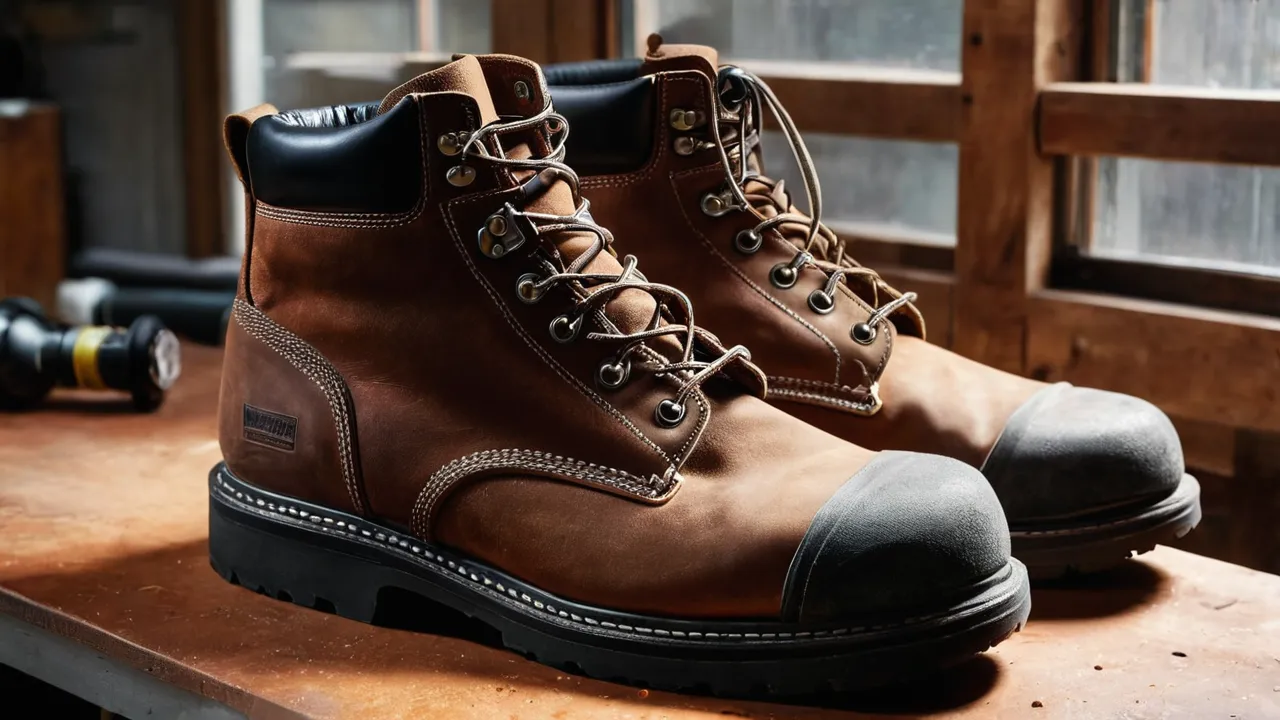
The best hot weather work boots have breathable uppers, lighter materials and moisture wicking socks, and you rotate two pairs so each dries fully. Accept that more ventilation usually means less water resistance and sometimes less protection. Check the safety label for the hazards you face, since a vented boot is only suitable if it still carries the markings your job requires.
Why feet get hot in boots
Feet sweat, and a closed boot traps that moisture. As sweat evaporates slowly or not at all, the foot feels hot and damp, and damp skin blisters. Heat comes from the sun, hot floors and the insulation of thick materials. Dark leather in sun absorbs heat, and rubber or heavy synthetics hold it.
Boots that stay cool let air move and moisture escape. The trade-off is that openings let water, dust and sparks in as well. Matching breathability to hazards is the heart of the decision.
Breathable materials and construction
Mesh panels and lightweight synthetics let air pass, and they dry faster after sweat or rain. Thinner leather breathes better than thick, and unlined leather breathes better than leather with a membrane. Perforated leather adds ventilation holes. A membrane keeps water out but also traps sweat, so waterproof boots are often hotter.
Heavier work boots with thick uppers and full lining hold heat, and lighter hiker style work boots run cooler. Look at weight and materials, and compare the number of vents and layers. Our leather versus synthetic work boots guide explains the material trade-offs.
Color, sun and materials
Dark leather in direct sun heats up, and light colors reflect more heat. A light tan or gray boot may feel cooler than black. Suede and nubuck breathe well but stain and are hard to clean on dirty sites. Full grain leather holds up but can run hot. Synthetic fabrics dry quickly but may hold odor. Pick the combination that suits your job and your care habits, and avoid leaving boots in a hot vehicle, which can damage glue and leather.
Insoles and liners for heat
The insole is a heat trap. A thick foam insole holds warmth and moisture against the foot. Look for perforated or breathable insoles, and take them out at night to dry. A thin, light insole that wicks moisture can feel cooler than a heavy cushioned one, though you may give up some cushioning. Change insoles on a schedule, since sweat breaks down foam and encourages odor.
Mesh linings dry faster than leather linings, and an unlined boot is the most breathable, though it can be rougher on the skin. Check the lining when you try boots, and keep the foot dry as the main goal.
Socks that help
Moisture wicking socks of merino or a synthetic blend pull sweat from the skin and dry faster. Cotton holds sweat and stays wet. Light, thin socks create less heat and leave more room in the boot. Carry a spare pair and change at lunch, since a fresh dry sock resets the foot for the afternoon.
Water, dust and sparks
Ventilation has a cost, and these are the usual ones.
- Mesh and vents let water in during rain or washdown.
- Open panels let in dust, sawdust and fine debris.
- Synthetic mesh can melt from sparks or hot metal.
- Welders and hot work often need leather and closed construction.
- Chemicals and oils can soak mesh.
- Insects and thorns can enter vents.
If your work involves these hazards, a vented boot may be unsuitable. Follow the manual and your employer’s policy. A boot that stays cooler but fails to protect is not a good trade.
Hot surfaces and heat from below
Asphalt, metal decking and sunbaked concrete radiate heat through the sole. A thick, insulating midsole and a rubber outsole with good heat tolerance help. Thin soles let heat through and can burn the foot. Some outsole compounds soften on hot surfaces, so check the maker’s description, especially for roofing and paving. If you work on hot surfaces, look for boots designed for them and for outsoles that stay firm.
Rotation, drying and fit
Rotating two pairs of boots gives each a full day to dry. Pull the insoles out at night, open the boots wide and let them dry at room temperature. A boot dryer with gentle airflow helps. Avoid heaters and hot cars. Damp insoles and liners cause odor and wear.
Feet swell in heat, so a boot that fits in the morning may feel tight by afternoon. Fit boots late in the day, with room to spare, and choose a wide width if needed. A tight boot restricts airflow and increases heat.
Odor, blisters and skin care
Heat and moisture lead to odor and fungal problems. Wash and dry feet at the end of the day, change socks, let boots dry and use foot powder if you like. Treat hot spots before they become blisters by changing socks, adjusting lacing or using a friction patch. If skin problems do not clear, see a clinician.
Matching the boot to the job
Four examples show how the trade-offs resolve. A landscaper works outdoors on dry ground and wants cool feet. A breathable leather and mesh boot with a safety toe if the site calls for one, plus wicking socks and a second pair, covers it. The main risk is wet grass and sprinklers, so keep spare socks in the truck.
A warehouse worker on a hot concrete floor does not face rain or sparks, but stands all day. A light, cushioned boot with a breathable lining and a moisture wicking insole suits that work, and rotation matters more than any single feature.
A roofer faces hot surfaces and direct sun. Look for an outsole built for heat and good grip, and be cautious about mesh, which can be damaged by hot material. Closed leather with a light color and a thick midsole is a common compromise, and breaks in shade remain the best cooling tool.
A welder or metalworker needs closed leather construction and often a metatarsal guard or other protection, regardless of heat. Here the answer is not a vented boot at all. Cool the rest of the system with socks, rotation and breaks, and follow the site’s protective equipment rules.
When you are between two cases, choose protection first and comfort second. A cooler boot is only an advantage if it still meets the hazards on your job.
Whichever case fits you, break new boots in before the hottest weeks, since stiff leather and heat together are a recipe for blisters.
Decision rules and a checklist
- Open air, dry hot work: breathable leather and mesh, wicking socks, rotation.
- Hot and wet work: quick drying synthetic, drainage, spare socks.
- Hot work with sparks or metal: leather, closed construction, check the rating.
- Concrete and warehouse heat: light cushioned boots with moisture control.
- Safety toe required: composite caps may feel cooler than steel in the sun, and always check the label for the rating you need.
- Road crews: high visibility gear and breathable boots, plus frequent breaks.
Before the season starts, run through these questions. Does the boot carry the safety markings my job requires, with vents or not? Is the upper breathable, and is the lining moisture wicking? Are the socks merino or synthetic, with a spare pair? Do I have two pairs to rotate? Does the sole tolerate hot surfaces? Is there room for swelling feet?
Boots are one part of staying safe in heat. Drink water regularly, take breaks in shade, wear light colored clothing where allowed and know the signs of heat illness, which include dizziness, nausea, confusion and heavy sweating or a sudden stop of sweating. Follow your employer’s heat plan. A boot that keeps feet comfortable helps, but it is not a substitute for rest and fluids. This guide is general information, not medical advice.
See the clothing and footwear section and how we review for how we weigh comfort claims.
Frequently Asked Questions
What kind of work boots are best for hot weather?
Lightweight boots with breathable uppers, such as thinner or perforated leather and mesh panels, plus a moisture wicking lining. Choose the most breathable boot that still carries the safety markings and protection your job requires, and pair it with wicking socks.
Are waterproof work boots hot?
Often, yes. A waterproof membrane keeps water out but also slows sweat from escaping, so feet can feel hotter and damper. If you do not face wet conditions, a breathable boot is more comfortable. In wet and hot work, carry spare socks.
Do steel toe boots get hotter than composite toe boots?
Steel conducts heat and cold more readily than composite, so a steel cap can feel hotter in direct sun. The difference is modest compared with materials and ventilation. Choose by the rating your job requires and check the tag. Light colors and vented uppers matter more.
How do I keep my feet from sweating in work boots?
Wear merino or synthetic wicking socks, change them at lunch, rotate two pairs of boots, remove insoles at night and let boots dry at room temperature. Avoid cotton socks. Persistent skin problems are worth a clinician’s attention. Foot powder can help some people.
Final Thoughts
Cool feet come from airflow, wicking socks and rotation, and each has limits. Choose the most breathable boot that still meets your hazards, keep spare socks and let boots dry fully between shifts. If the heat makes you dizzy or ill, stop work and seek care.
Related buying guides
- How Long Do Work Boots Last? Lifespan by Construction
- How to Break In Leather Work Boots Without Blisters
- How to Choose Work Boots: A Buy Once Decision Guide
About the author

The BuyOnceChoice Editorial Team researches durable products worth buying once. Our guides compare published specifications, warranty terms, expert review consensus, and verified owner feedback. We do not conduct our own product trials. See How We Review and our Editorial Policy for our standards.