Soft Luggage vs Hard Luggage for Fragile Items
A hard shell is not a safe by itself, and soft bags can protect well with the right padding. Match the shell to your items and build a padding plan inside.
 By BuyOnceChoice Editorial Team
Updated November 16, 2026
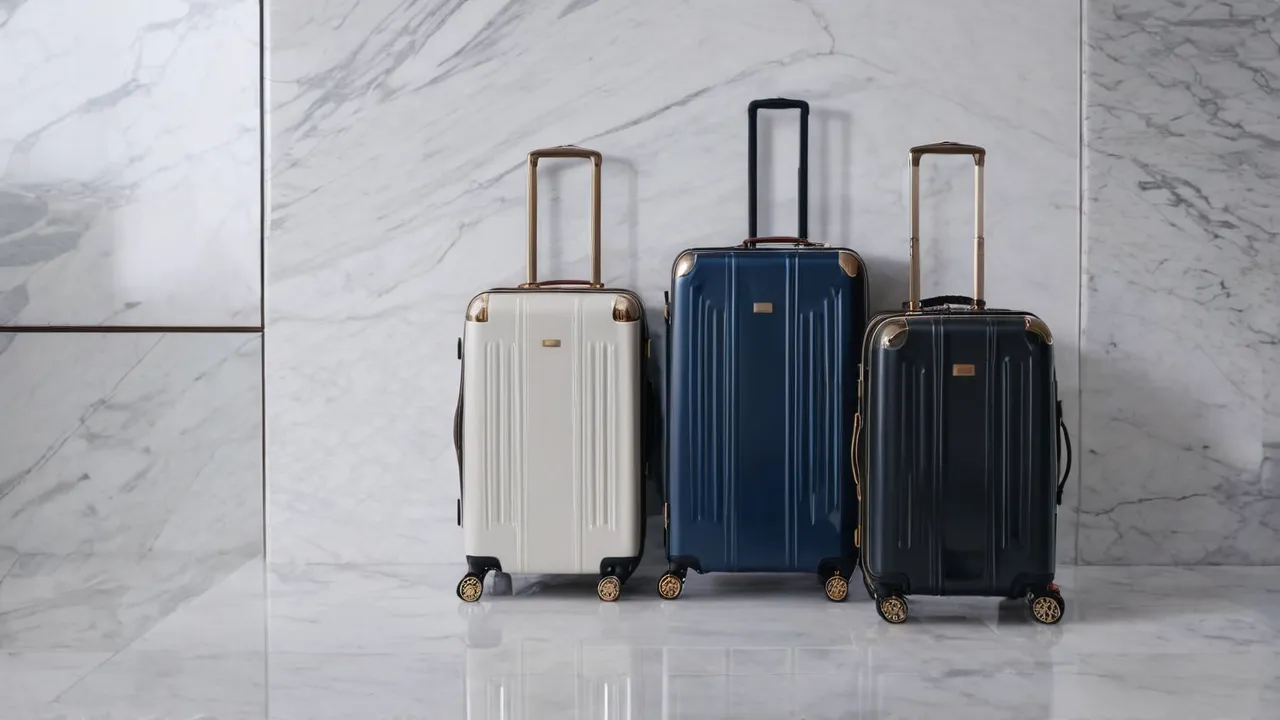
For fragile items, pair the shell with a padding plan. A hard case resists crushing and keeps shape under stacking, while a soft case absorbs impact but can be squeezed. Either can work if you wrap items, fill voids and place breakables in the center away from walls. When something is truly valuable or irreplaceable, carry it in the cabin.
What Damages Fragile Items in Transit
Breakage comes from three forces. Crushing happens when heavy bags stack on yours or when a conveyor squeezes a case. Impact happens when a bag drops, bumps a corner or slides down a chute. Movement happens inside the case, where items strike each other or the walls. A good plan covers all three.
Your choices include shell type, interior layout and packing method. The shell handles crushing, the padding handles impact and the fill handles movement.
Hard Shell Strengths and Limits
A hard shell, whether polycarbonate, ABS blend or aluminum, resists crushing and holds a rigid frame. Items packed inside have a defined space, and the walls protect against sharp edges and rain. This makes hard cases the more common choice for fragile contents, such as glass bottles or small electronics in padded cases.
The limits: hard walls transmit shock directly to contents if the case drops hard, and a shell can crack, leaving a weak point. Hard cases also offer little give, so tightly packed contents can press on the shell during crushing. Check our luggage set category for cases with interior dividers and compression panels, which help hold contents in place.
Material matters inside the hard category. Polycarbonate flexes slightly and tends to spring back after a hit, which suits impact. Rigid ABS can crack on a hard corner drop, and aluminum resists crushing well but can dent and then pinch the lid. Before you buy for fragile contents, read the product page for the shell material, the latch or zipper design and whether the interior has dividers, because those details decide how the case behaves when it is squeezed or dropped. Do not assume a thick-looking shell is a protective one; ask how the corners are reinforced.
Soft Case Strengths and Limits
A soft case flexes. Fabric walls and foam-backed panels absorb impact, so a dropped bag may not transfer a hard shock to the center. External pockets give a place for items that do not need much protection. Soft bags also squeeze into small spaces.
The weaker side is crushing. A heavy bag on top of a soft case can compress it and crush items near the edges. Soft cases also provide little protection against sharp objects. They suit fragile items if you pad well and place breakables in the middle, surrounded by clothes. Our softside luggage set roundup looks at typical soft-bag designs.
Building the Padding Plan
- Choose a strong center. Place breakables in the middle of the case, at least a few inches from every wall, because the walls take the hits.
- Wrap each item. Use clothing, bubble wrap or foam sleeves. Wrap bottles in a sealed bag so leaks do not spread.
- Add a buffer layer. Place soft clothes or towels beneath and above the wrapped items.
- Fill voids. Pack socks, scarves or crumpled paper in the gaps so nothing shifts.
- Keep heavy items low. Put shoes and dense items near the wheels so they do not crush fragile ones.
- Close and shake gently. If you hear movement, add more fill.
Using Rigid Inner Boxes
For particularly fragile items, such as a framed picture or a ceramic piece, use a small box with padding inside it, and place the box in the case. A box adds a second shell that takes crushing forces. Choose a size that fits snugly in the center with soft clothes around it.
What to Carry Instead of Checking
Some items should not go in checked bags at all. Spare lithium batteries and power banks must travel in the cabin under airline and FAA rules, and the FAA recommends carrying devices that contain lithium batteries in the cabin too. The same advice applies to medication, cash, important documents and irreplaceable items. For other fragile items, consider shipping them with a carrier that insures packages, because airlines often limit liability for fragile or valuable goods. Read the airline’s policy on fragile items before you travel, since many exclude certain categories.
Labeling and Handling
A fragile sticker does not guarantee careful handling, but it may help. A better strategy is to make the bag easy to identify and to include contact information inside. Photograph contents before closing. If something breaks, document damage at once and file a report with the airline before leaving the airport. See how we assess protective claims on the how we review page.
Cold, Heat and Liquids
Temperature matters for some contents. Checked bags can face cold on the ramp and in the hold, and some liquids can freeze or expand. Plastic bottles may deform with pressure changes, and a loosely capped bottle can leak when altitude changes. Seal liquids in zip bags, add a layer of absorbent cloth and leave a little air space in the bottle. Items such as candles, glassware with water or chocolate may not tolerate temperature swings. Check the airline’s policy on liquids in checked bags, and the TSA liquids rule for cabin bags, since limits apply.
Camera Gear, Instruments and Art
Cameras and lenses belong in the cabin in a padded bag. Small musical instruments should also travel in the cabin when the airline allows it, and large ones may need a dedicated hard case with its own padding. For art and framed pieces, a flat box with corner protectors fits inside a hard case, while a soft case should not carry framed glass. Wrap unframed prints in a rigid tube and carry it, since tubes are accepted as personal items on some airlines but not all.
Shopping and Return Trips
The return leg is when fragility problems appear, because souvenirs such as pottery or bottles join the load. Keep a spare soft bag, a roll of bubble wrap and a few zip bags in your case. Buy items at the end of the trip, ask the shop to wrap them securely and pack them inside clothes. If the item is expensive, ship it from the shop, which can lower the chance of breakage and often covers insurance.
Insurance and Declared Value
Airline liability for checked bags is limited and often excludes fragile items, so read the contract of carriage. Some airlines allow you to declare a higher value for a fee, and travel insurance may cover breakage if the policy lists it. Take photos of items before packing, keep receipts for valuable goods and file any claim quickly. If your items are worth more than the airline will pay, ship them separately with insurance or carry them on board.
Choosing Interior Features
Look inside before you buy. Useful features include a zip-in divider that can be tightened over contents, cross straps that hold items down and a padded lid pocket. A bag with an open interior and no straps gives you flexibility but needs more fill. If you travel with breakables often, favor a case that lets you secure items, and add a few foam sleeves so you do not depend on clothes alone. Check that the divider zipper is sturdy, since it carries load when the case is squeezed.
Who Should Choose Which
Choose a hard shell with interior dividers if you carry items that must resist crushing, such as boxed gifts. Choose a soft case with generous padding if you value flexibility and pack breakables in the center. Choose a cabin carry for anything irreplaceable. Skip packing delicate glass at the edge of any case, regardless of the shell.
Verdict by buyer type: a gift shopper carrying boxed goods should lean hard shell with a divider; a traveler packing a mix of clothing and a few bottles can do well in a soft case with a center pocket of padding; a photographer, musician or anyone with irreplaceable gear should skip the checked bag question and carry the items on board. Worked example: a wrapped bottle needs about two inches of soft fill on every side. In a case that is 8 inches deep, that leaves a bottle with a diameter up to about 4 inches, which is why tall slim bottles fit a hard case with a deep center better than a shallow soft case.
Frequently Asked Questions
Is hard or soft luggage better for fragile items?
Neither wins alone. A hard shell resists crushing, while a soft case absorbs impact, so the padding plan matters more than the shell. Wrap each item, put it in the center away from walls and fill every gap. Carry irreplaceable items in the cabin.
How do I pack glass bottles in a suitcase?
Wrap each bottle in clothing or bubble wrap, seal it in a zip bag in case of leaks and place it in the center of the case. Surround it with soft items and fill gaps so nothing shifts. Leave a small air space inside the bottle and cap it tightly.
Will the airline pay if my fragile items break in a checked bag?
Often not much. Many airlines limit liability and exclude fragile items, so read the contract of carriage for your carrier. Photograph your items before packing, keep receipts and consider shipping valuable pieces separately with insurance or carrying them on board.
Final Thoughts
Protection is a system. The shell decides how well the case resists crushing, the padding decides how well contents survive impact and the fill decides how much movement occurs. Put breakables in the center, wrap them and fill every void, and keep truly valuable items with you.
Related buying guides
- Hardside vs Softside Luggage: Which Lasts Longer
- How Long Does Luggage Last? Lifespan by Type
- How to Choose a Carry-On Suitcase: Size, Shell, Wheels
About the author

The BuyOnceChoice Editorial Team researches durable products worth buying once. Our guides compare published specifications, warranty terms, expert review consensus, and verified owner feedback. We do not conduct our own product trials. See How We Review and our Editorial Policy for our standards.