Pocket Knife Steel Guide: What Blade Steel Means
Harder steels hold an edge longer but take more effort to sharpen, while stainless steels resist rust. Learn how those trade-offs shape a pocket knife.
 By BuyOnceChoice Editorial Team
Updated November 16, 2026
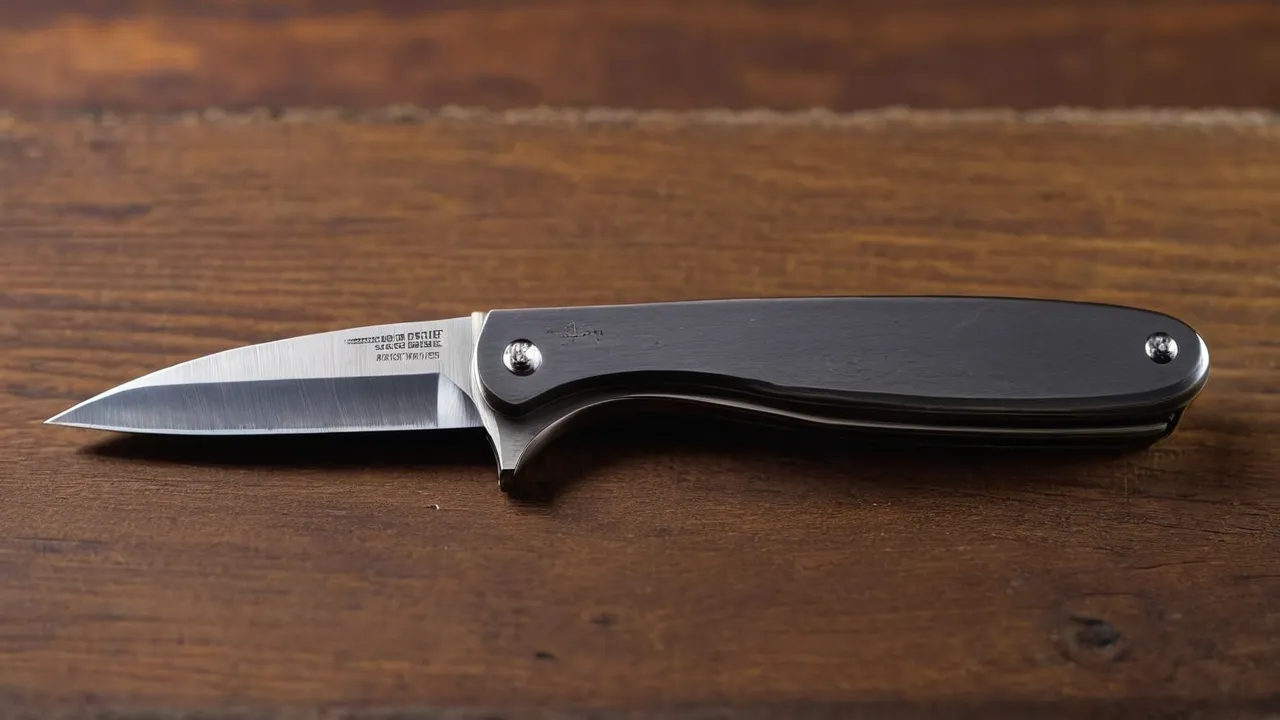
A pocket knife steel guide explains what the metal in a blade does: it sets how long the edge stays sharp, how well the blade resists rust, how easily you can resharpen it, and how likely it is to chip. No steel wins all four, so the right choice depends on what you cut, where you carry the knife, and how much care you will give it. For most people, a well made mid range stainless is the safe starting point.
The four traits that matter
Edge retention is how long a blade keeps cutting cleanly under use. Corrosion resistance is how well the steel handles sweat, rain, food acids and salt air. Ease of sharpening is how quickly a stone, rod or sharpener restores the edge. Toughness is resistance to chipping and snapping, which matters if the knife ever gets used for rough work.
These traits pull against each other. A steel that is hard and wear resistant tends to hold an edge longer, but it also tends to be harder to sharpen and more prone to microchips. A softer steel sharpens in a minute and shrugs off abuse, but it needs touch ups more often. Chemistry sets the tendency, and heat treatment decides how well a particular maker delivers it, so a modest steel treated well can beat a premium steel treated poorly.
A simple way to think about it is by task. Cutting cardboard dulls an edge quickly because the glue and clay in the board are abrasive. Slicing rope, plastic strapping or zip ties is hard on a thin edge. Opening mail, peeling fruit and trimming string barely stress a blade at all. Match the steel to the work you do most, and you avoid paying for performance you will never use.
What is inside the steel
Steel is iron plus carbon and other elements. More carbon allows higher hardness. Chromium adds corrosion resistance, and a steel with enough chromium (commonly cited as around 12 percent or more) is called stainless. Vanadium, molybdenum, tungsten and niobium form very hard particles called carbides that resist abrasion, which raises edge retention and makes sharpening slower.
Hardness is usually quoted on the Rockwell C scale. Many budget and mid range pocket knife blades sit roughly in the high 50s, and some premium steels are run a little harder. Treat any single number as a rough guide, because the right hardness depends on the steel and the blade design, and makers do not always publish it.
| Steel type | Example grades | Edge retention | Corrosion resistance | Sharpening |
|---|---|---|---|---|
| Plain high carbon | 1095 | Good | Low, rusts if neglected | Easy |
| Basic stainless | 420HC, 8Cr13MoV, AUS-8 | Moderate | Good | Easy |
| Mid range stainless | 154CM, 440C, VG-10 | Good | Good | Moderate |
| Powder metallurgy stainless | S30V, S35VN, M390 | High | Good to very good | Harder |
| Semi stainless tool steel | D2 | High | Moderate | Harder |
Grade names vary by maker, and the same name can be heat treated differently, so use the table as a direction, not a promise. Also remember that stainless is not rust proof. A stainless blade left damp in a sheath can still spot or pit, usually at the edge and around the pivot.
Picking a steel for how you carry and cut
Everyday carry
For a knife that rides in a pocket daily, a basic or mid range stainless is the practical pick. It handles sweat and rain, it sharpens on a simple stone or rod, and it forgives the occasional lapse in care. If your daily cutting is boxes, packaging, cord and food, you will rarely feel the difference between a mid range steel and a premium one, but you will feel it when you have to sharpen a hard steel by hand.
Wet, salty or humid use
For boats, fishing, kitchens and coastal climates, corrosion resistance matters more than a little extra edge retention. Look for steels marketed as highly corrosion resistant, and rinse and dry the blade after use. Plain carbon steel is a poor match here unless you enjoy oiling it every time.
Long cutting sessions
If you break down boxes for hours or cut a lot of abrasive material, a more wear resistant steel saves trips to the stone. The trade is that it can chip if you pry with it, and it may need a diamond stone to sharpen. A harder steel also rewards a thin edge that is left alone.
Hard use and prying
No pocket knife is a pry bar, but if your knife takes rough treatment, toughness matters more than peak hardness. Thicker blades and tougher steels handle it better than thin, very hard ones. Better still, carry a separate tool for prying.
Care habits
If you forget about your knife, choose a forgiving stainless. If you like routine care, a carbon steel can reward you with an edge that comes back in seconds and a blade that develops a patina. Be honest about which owner you are.
Edge geometry and heat treatment
The shape of the edge matters nearly as much as the steel. A thin, well ground blade slices easily and feels sharp longer on soft material. A thick edge is stronger and suits rough tasks but cuts with more resistance. Many pocket knives use a compromise grind, and the edge angle you sharpen to changes the balance again: a lower angle cuts better and dulls faster, while a higher angle is sturdier.
Heat treatment sets the final hardness and toughness and cannot be seen from the outside. Rely on the maker’s reputation, published specs and warranty terms, and read reviews that describe edge chipping or rust after months of use. A maker that names the steel and hardness range gives you more to work with than one that says only “high carbon stainless.”
Sharpening effort and routine
Any steel can be sharpened with the right tool. Softer steels respond to ordinary stones and ceramic rods. High wear steels may need diamond or specialty stones and more patience. If you dislike sharpening, a steel that is easy to touch up may serve you better than one that holds an edge longer but fights the stone.
- Choose easy to sharpen stainless for general carry.
- Choose more wear resistant steel for long cutting tasks.
- Choose highly corrosion resistant steel for wet or salty conditions.
- Keep carbon steel oiled and dry.
- Never pry with a pocket knife, since prying chips blades and snaps tips.
- Buy a simple sharpener and learn to hold a steady angle.
Touch up the edge before it is truly dull. A few passes on a fine stone or ceramic rod restore a lightly worn edge in under a minute, while a badly dulled edge needs a long session on a coarse stone. Coloring the bevel with a marker shows where you are removing metal and helps you hold the angle. Browse the hand tools category for sharpening gear.
Care that protects any steel
Wipe the blade after use, especially after food, acidic items or wet conditions. Keep it dry, and put a drop of oil on the pivot and, for carbon or semi stainless steel, on the blade. Store knives in a dry place and keep them out of the dishwasher. Check the lock, pivot screw and pocket clip from time to time.
Moisture hides under the blade at the pivot, so open the knife fully, wipe the area and add a drop of oil now and then. If a rust spot appears, remove it early with a fine abrasive pad and wipe the blade clean, because spots left alone grow into pits that weaken the edge. A well kept knife in an ordinary steel will serve better than a neglected premium blade. For related picks, see the multi tools and knives category.
Frequently Asked Questions
What is the best steel for a pocket knife?
There is no single best steel. A mid range stainless such as 154CM or VG-10 is a sound all around choice for daily carry, balancing edge life, rust resistance and sharpening effort. Choose a harder powder steel for long cutting jobs, or a very corrosion resistant steel if the knife lives near water or salt.
Is harder steel always better in a pocket knife?
No. Harder steel usually holds an edge longer, but it can chip more easily and takes longer to sharpen. A softer steel is tougher in some designs and touches up in seconds. Hardness is only one input, and blade thickness, edge angle and heat treatment change how the knife behaves in real use.
Does stainless steel rust?
Yes, it can. Stainless resists rust because of chromium, but it is not rust proof. Salt, sweat, humidity and food acids can still cause spots or pitting, especially at the edge and pivot. Rinse and dry the blade after wet use, wipe it before storage, and add a drop of oil to the pivot.
How often should I sharpen a pocket knife?
Sharpen when the knife starts to push through material instead of slicing, or when it will not shave paper cleanly. For regular users, a quick touch up every few weeks beats a long reprofiling session. Hard steels may go longer between touch ups, but they take more time on the stone.
Final Thoughts
The best pocket knife steel is the one that fits how you cut and how you care for the blade. Choose easy to sharpen stainless for daily carry, more wear resistance for long cutting tasks, and strong corrosion resistance for wet use. Favor makers who name their steel and stand behind their heat treatment, and keep the blade clean, dry and sharp. For how we weigh trade offs like these, see how we review.
Related buying guides
- How to Choose a Multi Tool: Features, Locks and Pliers
- Leatherman vs Swiss Army Knife: Which Fits Your Daily Use
- Multi Tool Care and Repair: Keep It Working for Decades
About the author

The BuyOnceChoice Editorial Team researches durable products worth buying once. Our guides compare published specifications, warranty terms, expert review consensus, and verified owner feedback. We do not conduct our own product trials. See How We Review and our Editorial Policy for our standards.