Lawn Mower Warranty Guide: What Coverage Really Means
A long warranty term can hide short engine coverage, no labor and commercial use exclusions. Learn which clauses decide whether a repair is actually covered.
 By BuyOnceChoice Editorial Team
Updated November 16, 2026
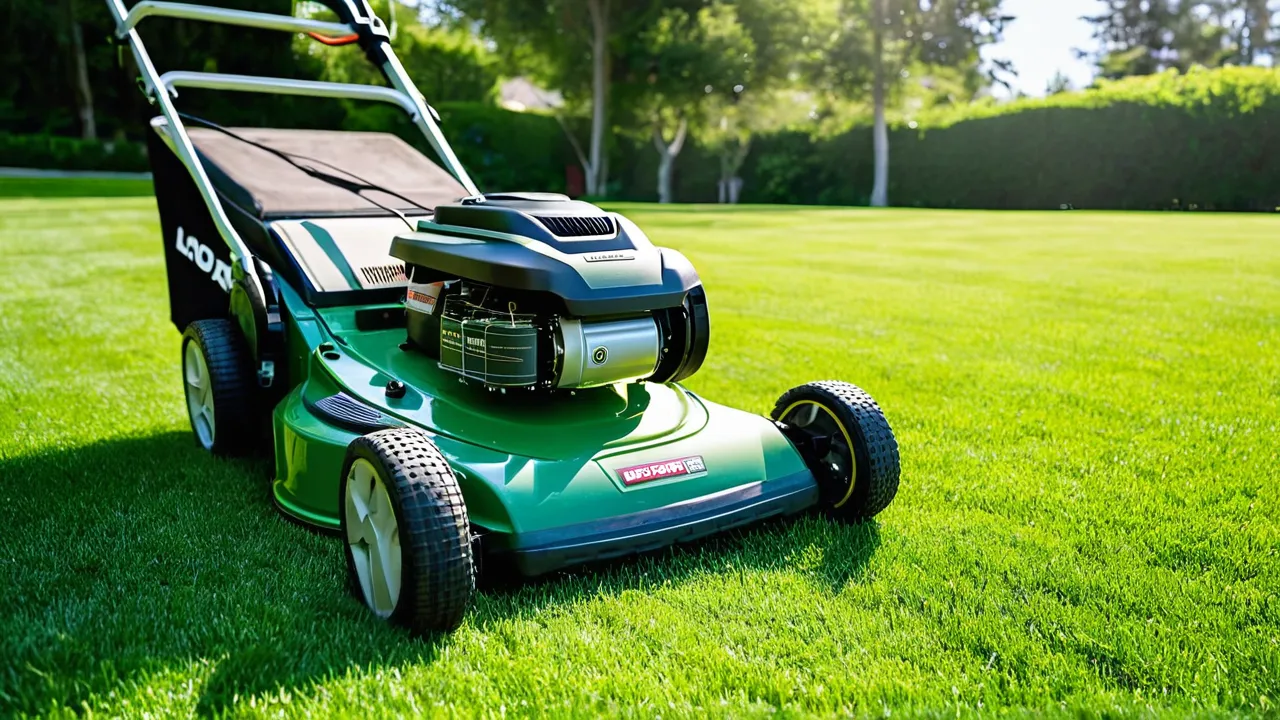
A lawn mower warranty is a contract with limits, and the headline term rarely tells the full story. The clauses that matter most are who covers the engine, whether labor is included, what counts as residential use, what maintenance records you must keep and what is excluded as normal wear. Read the full document for your model, not the box label.
Who stands behind which part
Many mowers carry several separate warranties. The mower brand covers the deck, frame and drivetrain, while the engine maker, which may be a different company, covers the engine under its own terms and service network. Battery mowers often list the battery and charger separately, with a shorter term than the tool, and the motor may have its own line.
This matters when a repair is needed. You may be told to contact an engine maker’s authorized service center rather than the store, and the claim process, the parts and the wait can differ. Before you buy, find out which company handles each major part and where service is available near you.
Limited, full and what the labels mean
The word limited appears in almost every consumer warranty and means the coverage has exclusions and conditions. Some warranties describe a total term, such as a number of seasons, but with step down coverage: full coverage for part of that time and parts only for the rest. Others cover defects in materials and workmanship, which excludes damage from misuse, neglect or accident.
Look at what starts the clock too. Most terms begin on the date of purchase by the first owner and many require proof of purchase. Some do not transfer to a second owner. Registration, if the maker asks for it, may be required to activate the longer term.
Labor, parts and shipping
A parts only warranty leaves you paying the shop for time, which can be a large share of the repair bill. A warranty that covers labor at an authorized shop is far more valuable. Check whether you must deliver the mower, whether pickup is offered and who pays shipping for a battery or an engine. Some brands require a dealer visit, others allow a mail in repair, and each has a different cost to you in time and money.
Ask also whether the warranty covers consumables. Blades, belts, filters, spark plugs and tires are typically treated as wear items and are excluded or covered for a short time only.
Residential versus commercial use clauses
Nearly every mower warranty draws a line between residential and commercial use, and the line is wider than people expect. Using a mower for hire, or to maintain rental property, a business grounds or a rental unit, can reduce coverage or void it, even if you own only one machine. Some makers give a much shorter term for commercial use, and others exclude it altogether. If you mow a neighbor’s yard for pay or maintain property for income, read the definition before you rely on the term.
Likewise, a commercial rated mower may carry longer coverage on the transmission or frame, and that is worth knowing if you want a buy once machine for heavy use. The language on hours of use matters too: some riding mower warranties cap coverage at a number of operating hours, whichever comes first with the calendar term.
Maintenance and misuse conditions
Warranties assume you keep the mower as the manual directs. Expect conditions such as using the specified oil, changing it at the stated interval, replacing the air filter and keeping records. Using ethanol fuel above a stated limit, running the mower with the blade dull or hitting hidden objects can all be argued as misuse. Modifications, such as a different blade or removing the discharge guard, can void coverage and are unsafe.
Keep receipts and a simple log of oil changes, blade work and storage, plus photos of any problem. If a claim is denied, ask for the reason in writing and the clause it rests on.
How to compare two warranties
- List the term for each major part: engine, transmission, deck, frame, battery.
- Note whether labor is included and who does the repair.
- Read the residential and commercial definitions.
- Check what you must do to keep coverage, such as registration and service records.
- Look at the exclusions list for wear items, accidents and fuel.
- Check how easy it is to reach service in your area.
A shorter term with labor included and local service can be worth more than a longer parts only term. Do not assume a long term signals build quality, since terms are a business decision as well as an engineering one. Equally, a short term is not proof of a weak machine, but it is a reason to look harder at parts supply and service reputation. The lawn mowers category puts warranty in context with other buying factors, and How We Review explains how we treat coverage claims.
What a claim looks like in practice
Understanding the process helps you judge a warranty before you need it. Typically you contact the seller or maker, describe the fault, supply proof of purchase and, for a riding mower or engine, take the machine to an authorized service center. The shop inspects the fault and decides whether it is a defect or an excluded cause. If it is a defect, the shop orders the part and repairs it under the warranty, and you may be without the mower during the wait, which in mowing season can stretch into weeks.
Ask before buying how long repairs usually take locally and whether a loaner or pickup service exists. Some retailers add their own protection plans, which can cover accidental damage and wear that the maker excludes. Read these plans as carefully as the maker’s warranty, since they come with their own deductibles, caps and exclusions, and compare what they add with what the maker already gives.
Engine coverage, battery coverage and the fine print
For gas mowers, engine coverage is usually described separately, and the engine maker publishes it. For battery mowers, the battery is often the most expensive wear item, and its warranty can be shorter than the tool’s, may be prorated or may exclude capacity loss below a stated level. Look for the exact words about capacity, since gradual loss is normal and many warranties cover only a sudden failure.
Other fine print to scan for: exclusions for damage from fuel with too much ethanol, from water ingress, from storage in extreme conditions, from towing beyond a stated load and from rental use. Look for requirements to use genuine parts and for a limit on the number of claims. None of this is unusual, but all of it affects whether the headline term helps you. A practical habit is to save a copy of the warranty page and your receipt in one folder on your phone, since manufacturer pages change and a printed copy from the day you bought is stronger evidence. Also note the serial number and model number, which are usually on a plate under the deck or on the frame, because every claim asks for them.
A Pre-Purchase Warranty Worksheet
Before you pay, open the warranty document for the exact model and copy five answers into a note. Who covers the engine, and where is the nearest authorized service center? Is labor included, and if so, for how long? How does the document define residential use, and does your situation fit? What service records must you keep? Is there an hours cap on a riding mower? If the document will not answer one of these, ask the seller or maker in writing and save the reply. A clear answer from a seller you can reach is worth more than an extra year on a term you cannot interpret.
Common Owner Regrets
- Assuming the longest term covers everything. Step down terms often cover only parts after the first period.
- Not registering. Some makers require registration for the longer term.
- Skipping the service log. A denied claim often turns on missing oil change records.
- Mowing for pay. Neighbor jobs can fall under commercial use clauses.
Frequently Asked Questions
Does a lawn mower warranty cover labor?
Some do and some do not. A parts only warranty leaves you paying the shop for time, which can be a large share of a repair bill. Read the labor clause, check whether repairs must happen at an authorized shop, and ask who pays for pickup or shipping of heavy parts.
Is the engine covered by the mower’s warranty?
Often the engine has its own warranty from the engine maker, with its own terms and service network. The mower brand typically covers the deck, frame, and drivetrain. Before you buy, find out which company handles each major part and where authorized service is available near you.
Does mowing for money void a mower warranty?
It can reduce or void coverage. Many warranties separate residential from commercial use, and mowing for hire or maintaining income property may count as commercial. Read the definition in the document for your model, and ask the maker in writing if your situation is unclear.
Are battery mower batteries covered the same as the tool?
Not always. The battery and charger often carry a separate, sometimes shorter or prorated term, and gradual capacity loss may be excluded while sudden failure is covered. Look for the exact wording on capacity, and keep your receipt and registration records.
Final Thoughts
Treat a warranty as a document to read, not a number to compare. Find out who covers the engine, whether labor is included, what counts as residential use and what records you must keep. Choose coverage that matches how you will really use the mower, keep your receipts and service log, read the lawn garden and outdoor hub for related buying advice and confirm the exact terms for your model on the maker’s site before you buy.
Related buying guides
- Mower Battery Voltage and Amp Hours: Runtime Math
- Mower Engine Types: Single vs V Twin and Horsepower
- Mower Size Guide: Deck Width by Yard Acreage
About the author

The BuyOnceChoice Editorial Team researches durable products worth buying once. Our guides compare published specifications, warranty terms, expert review consensus, and verified owner feedback. We do not conduct our own product trials. See How We Review and our Editorial Policy for our standards.