Air Purifier vs Dehumidifier: Which One Do You Need
Air purifier vs dehumidifier explained: what each machine does, the mold myth, which problem each solves, and when a home needs both.
 By BuyOnceChoice Editorial Team
Updated November 16, 2026
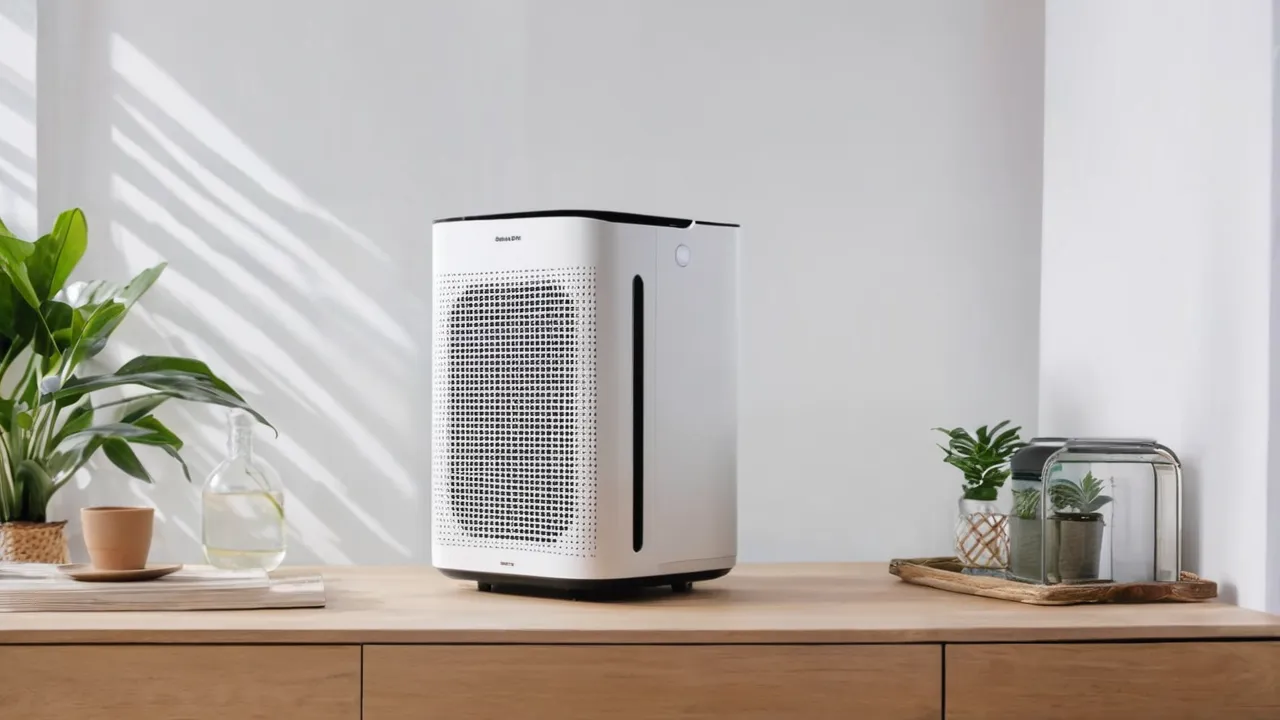
Air purifier vs dehumidifier: an air purifier filters particles such as dust, pollen, pet dander, and smoke out of the air, and a dehumidifier removes moisture from the air. They solve different problems, so choose a purifier if your concern is airborne particles, choose a dehumidifier if your concern is dampness, musty smells, or condensation, and use both if you have both problems.
What Each Appliance Does
An air purifier pulls room air through a filter, usually a HEPA filter, and returns cleaner air to the room. It captures particles, and some models add an activated carbon layer for odors and some gases. It does not change humidity, and it does not remove mold growing on a damp wall. It can only capture mold spores that are already in the air.
A dehumidifier pulls in humid air, cools it or passes it over a desiccant, collects the water, and returns drier air. It lowers relative humidity, which reduces conditions that dust mites and mold prefer. It does not filter particles in a meaningful way, though some include a basic filter to protect the unit.
Because the two machines address different causes, buying the wrong one will not fix the problem you have. A dehumidifier does not help hay fever from pollen, and a purifier does not stop a basement from smelling damp.
Match the Problem to the Machine
| Symptom or goal | Better choice |
|---|---|
| Hay fever, dust, pet dander | Air purifier |
| Wildfire smoke indoors | Air purifier |
| Cooking smoke and odors | Air purifier with carbon, plus ventilation |
| Musty smell, damp air | Dehumidifier |
| Condensation on windows | Dehumidifier, plus ventilation |
| Visible mold on surfaces | Fix the moisture source, dehumidifier helps, clean the mold |
| Dust mite concerns | Dehumidifier to lower humidity, purifier for airborne allergens |
| Sticky feeling in summer | Dehumidifier |
| Pets and shedding | Air purifier |
Humidity: The Number That Decides
Indoor relative humidity matters. Health and building guidance generally suggests keeping indoor humidity roughly between 30 and 50 percent, and below 60 percent at all times, to limit mold and dust mites. A simple hygrometer, which is inexpensive, tells you where you stand.
- Above about 50 to 60 percent: a dehumidifier is likely to help.
- In the 30 to 50 percent range: you probably do not need a dehumidifier, and a purifier addresses particles.
- Below 30 percent in winter: dry air can bother skin and airways, and a dehumidifier would worsen it.
Check humidity at different times of day and in different rooms, because basements and bathrooms often run higher than bedrooms. Our dehumidifier guides explain how to size a dehumidifier by room and dampness level.
Particles and Air Quality
If your concern is allergens or smoke, look at the purifier’s CADR relative to your room size, and choose a true HEPA filter. Our air purifier guides explain the sizing method. An air purifier will not lower humidity, and it will not remove the source of dust. Wash bedding, vacuum with a sealed-filter vacuum, and manage pets, since a purifier works best as part of a broader routine.
If you are sensitive to mold, a purifier can reduce airborne spores, but it will not fix the cause. Find the moisture source, fix leaks, improve ventilation, and consider a dehumidifier.
Costs and Running Needs
- Purifier: recurring cost of filters, and electricity that is generally modest, with some models running continuously.
- Dehumidifier: electricity use is higher while the compressor or desiccant runs, plus emptying a bucket or connecting a drain hose, and occasional filter cleaning.
- Noise: both produce noise, and sleeping near either one deserves a look at the stated decibel levels.
- Maintenance: purifiers need filter changes, and dehumidifiers need water handling, filter cleaning, and coil care. Mold can grow in a neglected bucket.
Safety and Practical Notes
Place both on a stable, level surface with clearance around intakes and outlets. Keep cords away from water. Empty and clean dehumidifier buckets regularly, since standing water breeds bacteria and mold, and never use the water for drinking. Avoid ozone-producing purifiers. If a dehumidifier or purifier smells of burning or trips a breaker, unplug it and contact the maker or a licensed electrician.
Can You Use Both?
Yes, and many homes benefit. A basement with dampness and dust may need a dehumidifier to cut moisture and a purifier to capture airborne particles. A bedroom with allergies needs a purifier, and a dehumidifier only if humidity is high. Place them with space between them so airflow is not blocked, and run each according to its job. Do not buy a combined unit expecting both functions at full strength, since combination products usually compromise one or both.
Our How We Review page explains how we evaluate products using research and specifications rather than claims of our own trials.
Worked Example
A homeowner notices a musty smell in the basement, with a hygrometer reading near 65 percent, and some sneezing in the evenings. She buys a dehumidifier first and sets it to keep humidity near 50 percent. The smell fades. The sneezing continues in the bedroom, where dust and pet dander are the problem, so she adds a purifier sized for that room. Each appliance solved a different problem.
Mistakes to Avoid
- Buying a purifier for a humidity problem.
- Buying a dehumidifier for a pollen problem.
- Running a dehumidifier in a dry winter bedroom.
- Ignoring the source of moisture or dust.
- Forgetting to empty or drain the dehumidifier.
- Expecting any machine to replace cleaning and ventilation.
Room-by-Room Guidance
- Basement: humidity is the usual issue, so a dehumidifier comes first. Add a purifier only if dust or stored items create airborne particles. A sump pump, grading, and gutter work address the source of water.
- Bedroom: start with a purifier if allergies or dust bother you, and add a dehumidifier only if a hygrometer shows high humidity.
- Living room: a purifier handles pet dander and smoke, and a dehumidifier is rarely needed unless the climate is humid.
- Kitchen and bathroom: ventilation matters most. Run exhaust fans, and keep purifiers and dehumidifiers away from steam and splashing.
- Laundry room: damp air from dryers and washers may call for ventilation and a small dehumidifier.
- Closets and storage: small desiccant products can help in tight spaces, but a full dehumidifier suits larger rooms.
What Else Helps Before You Buy
Appliances are only part of the answer. For moisture, fix leaks, direct downspouts away from the foundation, use exhaust fans while showering and cooking, keep clothes dryers vented outdoors, and avoid drying laundry indoors without ventilation. For particles, change HVAC filters on schedule, vacuum with a good filter, wash bedding regularly, keep pets off beds if allergies are a concern, and reduce clutter that collects dust. If you suspect mold, remember that visible mold needs cleaning, and large areas may call for a professional. If symptoms are severe, talk to a doctor, because appliances cannot diagnose or treat a medical condition.
How to Size Each Appliance
Purifiers are sized by CADR relative to room area, and a common rule is a smoke CADR of at least two thirds of the floor area for eight foot ceilings. Dehumidifiers are sized by how many pints of moisture they remove per day under stated rating conditions, matched to room size and dampness level. A damp basement needs a larger capacity than a slightly humid bedroom. Check the manual and product page for the ratings and the conditions used, since the conditions differ across labels. Where in doubt, step up one size for a damp, large space, and make sure you can drain the unit continuously if the bucket fills too fast.
Signs You Chose the Wrong Appliance
If your purifier runs all day and the room still smells damp, the problem is moisture, and a dehumidifier is the better tool. If your dehumidifier collects a full bucket and your nose still runs every spring evening, the trigger is probably airborne pollen or dander, and a purifier is the better tool. If a hygrometer shows normal humidity, and the dehumidifier barely collects water, you likely do not need it. Treat these signs as feedback, check the numbers, and change course. Returning an unneeded appliance within the store’s window costs less than running it for a season to no benefit.
Frequently Asked Questions
Does an air purifier reduce humidity?
No. An air purifier filters particles and does not remove moisture. If your air feels damp or musty, you need a dehumidifier, and you should look for the moisture source such as leaks or poor ventilation.
Does a dehumidifier clean the air?
Not in the way a purifier does. A dehumidifier removes moisture, which discourages mold and dust mites, but it does not capture dust, pollen, or smoke. For airborne particles, use an air purifier with a true HEPA filter.
Which is better for allergies, a purifier or a dehumidifier?
It depends on the trigger. A purifier is better for pollen, pet dander, and dust in the air. A dehumidifier helps with mold and dust mites by lowering humidity. Many allergy households use both, starting with the one that matches the main trigger.
What humidity should I aim for at home?
Generally between 30 and 50 percent, and below 60 percent at all times, according to common building and health guidance. Use a hygrometer to check, and adjust with a dehumidifier when humidity runs high or a humidifier if it runs very low.
Final Thoughts: Treat the Cause You Actually Have
An air purifier cleans particles, and a dehumidifier removes moisture. Measure humidity, identify your main problem, and buy the machine that targets it. Use both only when both problems are present.
Related buying guides
- Air Purifiers for Wildfire Smoke: What to Look For
- CADR vs Room Size Claims: How to Read Air Purifier Specs
- How Long Do Air Purifiers Last and When to Replace
About the author

The BuyOnceChoice Editorial Team researches durable products worth buying once. Our guides compare published specifications, warranty terms, expert review consensus, and verified owner feedback. We do not conduct our own product trials. See How We Review and our Editorial Policy for our standards.