Air Purifiers for Wildfire Smoke: What to Look For
Choose an air purifier for wildfire smoke by smoke CADR, room size, HEPA quality, and the real limits of carbon filters and ventilation.
 By BuyOnceChoice Editorial Team
Updated November 16, 2026
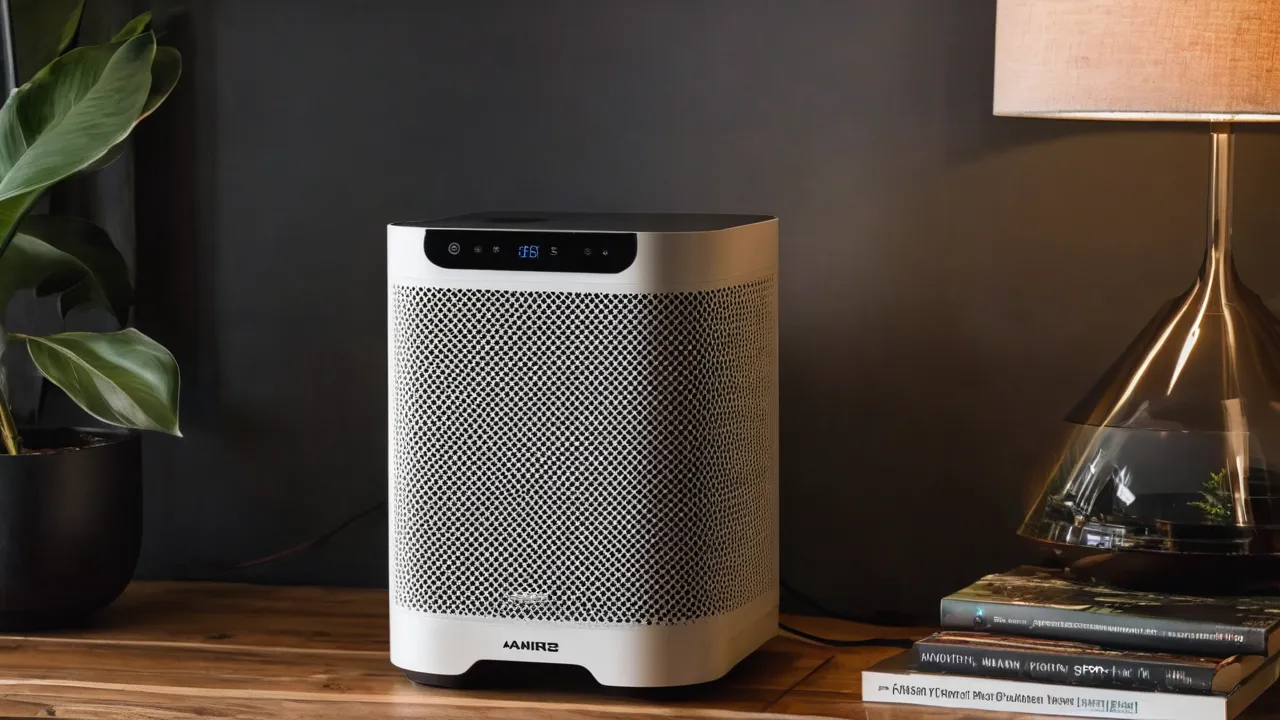
For an air purifier for wildfire smoke, look for a true HEPA filter, a smoke CADR high enough for your room (at least two thirds of the floor area in square feet for eight foot ceilings, and more if you can), certification that the unit does not emit ozone, and a size you can run on a higher speed during smoke events. Use it in one closed room with windows and doors shut, and follow local air quality and health guidance.
Why Wildfire Smoke Is Different
Wildfire smoke contains fine particles, often called PM2.5, which are small enough to travel deep into the lungs. It also carries gases and odors that particle filters do not remove. Smoke events can last days or weeks, and indoor air can become unhealthy if smoke infiltrates through windows, doors, and ventilation.
Sensitive groups, such as children, older adults, pregnant people, and people with asthma, heart disease, or lung disease, face greater risk. If you are in a sensitive group, or if smoke is heavy, follow the guidance of your local health department and your doctor, and do not rely on an appliance alone. An air purifier is one tool among several, along with staying indoors, keeping windows closed, and using well-fitting respirators outdoors as health agencies advise.
What to Look For in a Purifier
Filtration: True HEPA
True HEPA filters capture very small particles, including the fine particles in smoke. Look for the words true HEPA, or a statement that the filter meets the HEPA standard. Terms like HEPA-type or HEPA-like do not mean the same thing. Some high-efficiency filters are also used, but true HEPA is the clear marker on a product page.
Smoke CADR
CADR, the clean air delivery rate in cubic feet per minute, is reported for smoke, dust, and pollen. For wildfire smoke, the smoke CADR is the one that matters. As a starting rule, choose a smoke CADR of at least two thirds of the room’s floor area for eight foot ceilings, and aim higher if you can, since smoke can be dense and you will want to run the unit at a quieter speed. In a 200 square foot room, that means a smoke CADR of at least 133.
Carbon for Odors
Smoke carries gases and odors. An activated carbon layer can reduce some odors, but small carbon beds in many home units are limited, and they saturate. If odor and gases are a concern, look for a substantial carbon filter, and understand that no household purifier removes all gases. Particle filtration is the main benefit.
No Ozone
Avoid purifiers that produce ozone on purpose, such as ozone generators, and some ionizers. Ozone is a lung irritant. In California, air purifiers sold in the state must meet a limit on ozone emissions, and certification by the California Air Resources Board is a helpful signal in other states too. Check the product page for that certification.
Noise and Speed
You may run the purifier on its highest speed for days. Check the noise level at high speed, and consider a higher CADR so that you can run on a lower setting for sleep. A very loud unit will not be used.
Filter Life and Cost
Heavy smoke loads filters quickly. Plan for early replacement, check the maker’s guidance, and see our guide to filter replacement cost. Replacement filters should be available and fit your model.
How to Use a Purifier During a Smoke Event
1. Choose one room, ideally a bedroom, as a clean space. Close windows and doors, and seal gaps if you can. 2. Place the purifier with clearance, away from walls and curtains, and run it on a higher speed. 3. Keep the unit running continuously until the smoke clears, and check outdoor air quality from a reliable source. 4. Set your HVAC to recirculate, not bring in outdoor air, and use the best filter your system supports, as the manual allows. 5. Avoid adding indoor pollution, such as burning candles, smoking, frying, and using gas stoves for long periods. 6. Replace or inspect filters after the event, since they will be loaded.
Place the purifier where you spend the most time, and close the door so the unit works on a single room.
Sizing Table
| Room size | Minimum smoke CADR by the two-thirds rule | Better margin |
|---|---|---|
| 100 square feet | 67 | 100 or more |
| 150 square feet | 100 | 150 or more |
| 200 square feet | 133 | 200 or more |
| 300 square feet | 200 | 300 or more |
| 400 square feet | 267 | 400 or more |
If your ceiling is higher than eight feet, use the volume method from our sizing guide, and choose a higher CADR.
Other Steps That Help
- Close windows, doors, and fireplace dampers, and avoid using exhaust fans that pull smoke in.
- Run the air conditioner in recirculate mode, and if you have a window unit, check whether it has a vent setting to keep closed.
- Check outdoor air quality with the official air quality index and follow your local guidance.
- Use well-fitting respirators, such as N95 types, outdoors if health agencies advise, and follow their fit guidance.
- Avoid vacuuming without a sealed-filter vacuum, which stirs up fine dust and smoke particles.
- Consider a filter fan approach only as a stopgap, following reputable public guidance, and use caution with electrical safety.
Our air purifier guides compare models and sizing. For related appliances, see the home appliances hub. Our How We Review page explains how we evaluate products using research and specifications rather than claims of our own trials.
Health and Safety Notes
Air purifiers reduce particle levels but do not make smoke harmless. If you have symptoms such as persistent coughing, wheezing, chest pain, or shortness of breath, contact a doctor, and call emergency services if symptoms are severe. Follow evacuation orders and local guidance. Do not use ozone generators or unvented combustion heaters indoors to deal with smoke, and never block exits for the sake of sealing a room. Read the purifier manual for safe operation, and use a licensed electrician for any wiring concerns.
Worked Example
A family lives in a 12 by 15 foot bedroom of 180 square feet with eight foot ceilings. The two-thirds rule gives a smoke CADR of at least 120. They choose a unit rated above that, close the door, run the purifier on a high setting overnight, and switch to a lower setting when air quality improves. After the event they check the filter and replace it earlier than the normal schedule.
Building a Clean Room Plan Before Smoke Season
Preparation makes a smoke event easier. Pick the room now, preferably a bedroom with few windows and a door that closes well. Measure it, calculate the CADR you need, and buy a purifier before smoke arrives, since shortages are common during events. Buy a spare set of filters that match your model, check that the unit runs, and place a hygrometer or an air quality monitor if you want your own readings. Keep weatherstripping and tape on hand for gaps, and know how to switch your HVAC to recirculate. Write down your local air quality source and the thresholds at which your health department recommends staying indoors. If anyone in your home has a medical condition, ask a doctor in advance what to do during smoke.
Mistakes to Avoid During Smoke Events
- Buying an ozone generator or a unit that advertises ionization without HEPA.
- Running the purifier in a room with open windows.
- Choosing a unit too small for the room and running it on low.
- Ignoring filter condition after the event.
- Letting the unit run dry on carbon that has saturated, and assuming odors are gone.
- Using candles, wood stoves, or frying that adds indoor particles.
- Relying on the purifier and skipping respirators or health guidance when outdoors in heavy smoke.
After the Smoke Clears
When outdoor air quality improves, open windows to air out the home, since indoor air may hold lingering particles and odors. Run the purifier a while longer with the windows closed first, then ventilate. Wash surfaces and fabrics that hold odor, replace HVAC filters, and inspect the purifier filters. Dispose of used filters in a bag, and wash your hands afterward. Reset your plan, and note what worked.
Frequently Asked Questions
What type of air purifier is best for wildfire smoke?
Choose one with a true HEPA filter, a smoke CADR matched to your room, and no ozone generation. Add carbon if odors bother you, and pick a size you can run on high during smoke events. Follow local health guidance alongside the purifier.
How big of a purifier do I need for smoke?
Use a smoke CADR of at least two thirds of your room’s square footage for eight foot ceilings, and go higher if you can. For a 200 square foot room, that means at least 133. Higher ceilings need a higher CADR.
Do air purifiers remove smoke smell?
They reduce particles, and a carbon filter can reduce some odors, but small carbon beds are limited and saturate quickly. Persistent smoke odor often needs a larger carbon filter, ventilation after the event, and cleaning surfaces and fabrics.
How often should I replace filters after wildfire smoke?
Check them right after the event, and replace sooner than the normal schedule if they look gray or clogged or if airflow has dropped. Heavy smoke loads filters quickly, so follow the maker’s guidance and keep spares if smoke seasons are common in your area.
Final Thoughts: Size It Up and Seal One Room
For wildfire smoke, choose a true HEPA purifier with a smoke CADR that exceeds the two-thirds rule, avoid ozone, and run it in one sealed room. Follow your local health guidance, and see a doctor if symptoms are significant.
Related buying guides
- CADR vs Room Size Claims: How to Read Air Purifier Specs
- How Long Do Air Purifiers Last and When to Replace
- Ozone and Air Purifiers: Which Features to Avoid
About the author

The BuyOnceChoice Editorial Team researches durable products worth buying once. Our guides compare published specifications, warranty terms, expert review consensus, and verified owner feedback. We do not conduct our own product trials. See How We Review and our Editorial Policy for our standards.