Blender Safety: Hot Liquids, Overfill, and Blades
Hot soup can blow a lid off a sealed jar. Follow these steps for venting, fill lines, blade handling and unplugging before cleaning.
 By BuyOnceChoice Editorial Team
Updated November 16, 2026
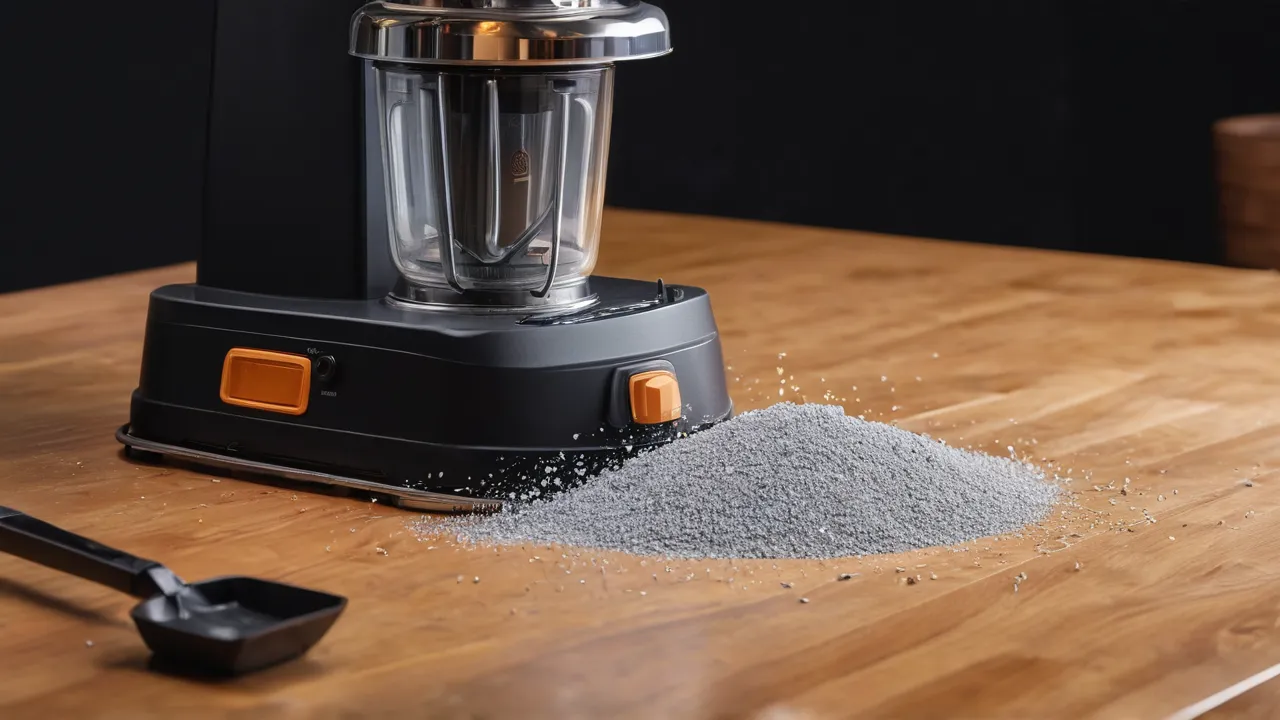
Blender safety with hot liquids comes down to three rules: fill the jar well below the maker’s limit, vent the lid so steam can escape, and start on the lowest speed before increasing. Hot liquid expands and builds pressure in a sealed jar, and it can force the lid off and cause burns, so follow the fill line and venting instructions in your blender’s manual and consider a smaller batch whenever you are unsure.
Why Hot Liquids Are Risky
When you blend something hot, the spinning blades add air and agitate the liquid, and the steam rises and expands. In a closed jar the pressure has nowhere to go. If the lid is tight, the pressure can push the lid off, and the spray of hot liquid can scald skin. The risk is greater with a full jar, a tight lid, high speed and very hot contents.
Some blenders are designed for hot liquids and have vented lids, and many blender manuals warn against blending hot liquids at all or set a lower fill line for them. A jar that suits cold smoothies may not suit a pot of soup. Plastic jars and glass jars each have limits, and the manual is the only reliable place to find them. Our blenders and mixers section covers features that make a model easier to use safely.
This article is general information, and your manual’s instructions override anything here. If the manual says not to blend hot liquids, do not.
How to Blend Hot Food More Safely
Follow these steps unless your manual says otherwise.
- Let the food cool for a few minutes. Very hot liquid, straight from a simmer, adds risk, and a short rest reduces steam.
- Fill the jar only partway. Many manuals recommend a lower fill line for hot liquids, often around half full, so check yours.
- Secure the lid and use the vent if there is one. If the lid has a removable center cap, take it out or loosen it as instructed, and cover the opening loosely with a folded towel to catch splatter while still letting steam escape.
- Start on the lowest speed and increase gradually. Do not begin on high.
- Keep your hands, face and arms away from the top of the jar.
- Blend in smaller batches rather than one large batch.
- When finished, let the blades stop completely before you open the lid, and open it away from your face.
If you are making soup in a standard jar, an immersion blender used in the pot avoids moving hot liquid at all, and it can be safer for large batches, provided you follow its manual.
Overfilling and the Fill Lines
Overfilling is a separate risk, and it applies to cold foods too. A jar filled above the maximum line can overflow, leak through the lid or strain the motor. Liquids expand and foam when blended, so leave room. The fill line on the jar is the maker’s limit for the type of contents, and some jars show two lines: one for cold and one for hot.
When you add ice, frozen fruit or thick mixtures, load the liquids first and put heavier items on top, as the manual suggests. Do not pack the jar to the top to avoid a second batch, since the load can stall the blades and cause overheating. If the blender stalls, stop, unplug and clear the jam before you continue.
Blades and Handling
The blades are sharp, even when they are not turning. Treat the blade assembly as a knife.
- Unplug the blender before you remove, clean or adjust the blade assembly.
- Never put your fingers, a spatula or any utensil into the jar while the blender is running.
- Do not run the blender empty, since the blades can overheat and damage the jar.
- Wash blades carefully, using a brush or a long-handled sponge, and avoid sweeping your hand through the water.
- Check that the jar, gasket and blade assembly are tightly assembled before you attach the jar to the base.
- Keep the blade assembly away from children and store it where it will not tumble out of a drawer.
If the blades are damaged or loose, stop using the jar and contact the maker. Do not try to sharpen or repair them yourself.
Other Habits That Prevent Accidents
- Keep the cord away from hot surfaces and the counter edge.
- Place the blender on a dry, stable surface and keep the base dry.
- Do not use a blender with a frayed cord, a cracked jar or a faulty switch.
- Do not blend carbonated drinks in a closed jar, since the gas expands.
- Make sure the lid is locked and the interlock is engaged, if your blender has one.
- Keep children away from the blender while it is running, and do not leave it unattended.
- Let the motor rest between long runs, as the manual advises.
If the base smells like burning, produces smoke or trips a breaker, unplug it and stop using it until it is inspected. For electrical issues, use a licensed professional or the maker’s service channels, and do not open the base yourself.
A Worked Example
A cook wants to blend a pot of roasted vegetable soup. The jar’s total capacity is large, but the maker’s hot-liquid line is much lower. The cook lets the soup cool for several minutes, ladles about half a jar into the blender, removes the center cap and covers the opening with a folded towel, then starts at the lowest speed and brings it up slowly. After the first batch, the cook pours it into a clean pot and repeats. The process takes longer than filling the jar once, but it avoids the lid-pop and splatter that make hot blending dangerous. If the cook has an immersion blender, using it directly in the pot would take less time and fewer dishes.
A Quick Reference by Task
| Task | Main risk | What to do |
|---|---|---|
| — | — | — |
| Hot soup or sauce | Steam pressure and scalds | Cool briefly, fill partway, vent, start low |
| Frozen drinks and ice | Stalling and overheating | Liquids first, ice on top, pulse, stop if it stalls |
| Thick nut butters | Motor strain | Small batches, follow the manual, rest the motor |
| Cleaning | Cuts from blades | Unplug, use a brush, never reach in by hand |
| Carbonated or fermenting liquids | Gas expansion | Do not blend them in a closed jar |
Use the table as a reminder, not a replacement for the manual. Blenders differ: some have vented lids and strong seals made for hot soups, and others are meant for cold drinks only. When you buy, look for a clear statement of hot liquid capability, a stated hot fill line, a locking lid and an interlock that stops the motor if the jar is not seated. These features reduce the chance of a mistake, but they do not remove it.
Be careful with babies and young children in the kitchen too. A blender running at the edge of a counter can be pulled down by its cord, and hot contents are a scald risk. Keep children away while you are blending, and finish pouring before you turn your attention elsewhere. If you blend hot baby food, let it cool to a safe temperature before serving and follow guidance from your pediatrician or the food’s packaging.
Finally, remember that safety includes the quiet failures. A jar that has been in the dishwasher for years may have thin spots, a gasket that has hardened may leak under pressure and a lid that no longer clicks firmly may pop open. Inspect these parts every few months and replace them with parts made for your model. If a part is no longer available, treat that as a sign that the blender is nearing the end of its life.
When to Stop Using It
Stop and replace or repair if the jar is cracked or chipped, the lid no longer seals or locks, the gasket is torn, the cord is damaged, the blade assembly wobbles or the motor shows signs of burning. Check recalls on the maker’s site or through the Consumer Product Safety Commission, and register your product if the maker offers it. If you have any doubts about the condition of a blender, the safest choice is to stop using it. For how we weigh safety claims, see how we review, and explore the cookware and kitchen tools hub for related guides.
Frequently Asked Questions
Can you blend hot liquids in a blender?
Sometimes, if the maker allows it. Check the manual. Fill the jar well below the line for hot liquids, vent the lid, cover the opening loosely with a towel and start on low. If the manual says not to blend hot liquids, use an immersion blender or let the food cool.
How full should a blender be with hot soup?
Many manuals say no more than about half full for hot liquids, but limits vary. Use the fill line your manual gives for hot contents. Blend smaller batches rather than filling the jar, because expansion and steam raise the risk of the lid coming off.
Why does my blender lid pop off with hot food?
Steam expands and pressure builds in a sealed jar, which can push the lid off. Prevent it by letting the food cool slightly, filling the jar partway, venting the lid, starting at low speed and blending in smaller batches.
Is it safe to clean blender blades by hand?
Yes, if you unplug the blender first and handle the blades like a knife. Use a brush or long-handled sponge, keep fingers away from the edges and follow the manual. A soapy water run on low speed in a jar rated for it can clean most of the residue.
Final Thoughts
Treat hot blending as a pressure and burn risk: cool the food slightly, fill below the line, vent the lid and start slowly. Respect fill lines, handle blades like knives, unplug before cleaning and stop using a damaged unit. Your manual is the final authority.
Related buying guides
- Blender vs Food Processor: Which Should You Buy
- Blender Wattage Guide: How Much Power You Need
- High Speed vs Regular Blender: Is the Upgrade Worth It?
About the author

The BuyOnceChoice Editorial Team researches durable products worth buying once. Our guides compare published specifications, warranty terms, expert review consensus, and verified owner feedback. We do not conduct our own product trials. See How We Review and our Editorial Policy for our standards.