Vintage vs Modern Cast Iron: Is Old Worth Buying?
Old skillets can be lighter and smoother, but condition matters more than age. Here is what to check on a used pan and when new is the safer buy.
 By BuyOnceChoice Editorial Team
Updated November 16, 2026
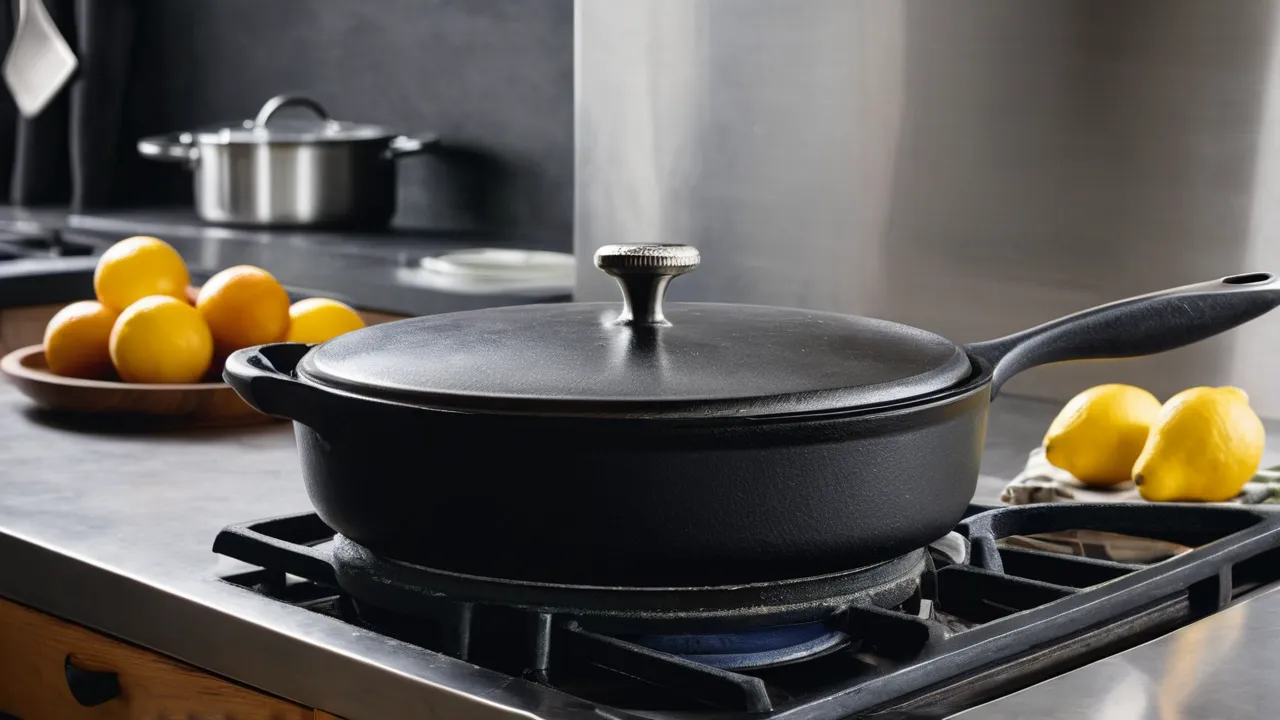
Vintage vs modern cast iron: vintage pans are often lighter, with a smoother cooking surface, and can be excellent finds if they are intact, but they may need restoration and carry condition risks, while modern pans are ready to cook, widely available, and heavier with a rougher texture. Old cast iron is worth buying when it passes a condition check for cracks, warping, and deep pitting, and the price is fair.
What People Mean by Vintage
Vintage cast iron usually refers to pans made decades ago by American foundries that closed or changed production, and sold at estate sales, flea markets, thrift stores, and online. Some are famous names that collectors seek, and many are unmarked pans that cook just as well. Age alone does not make a pan better, and a prized maker’s mark does not guarantee condition.
Modern cast iron includes current production from established makers and newer brands. Many are pre-seasoned from the factory and ready for use, and they come in a wide range of sizes and shapes, including enameled versions.
The comparison is not about nostalgia. It is about surface texture, weight, condition, cost, and the effort you are willing to put in.
Surface and Weight
Vintage pans were often cast thinner and then finished by grinding or machining, which leaves a smoother cooking surface and a lighter pan. A skillet that is easy to lift with one hand is easier for tasks like flipping and swirling. The smooth surface releases eggs and fish more readily once seasoned.
Many modern pans are heavier and more textured, since they are commonly sand-cast and pre-seasoned without extensive machining. They are strong and hold heat well, but may feel rough and need a few months of use before they release as smoothly. Some modern makers offer polished or machined lines that mimic the vintage feel, at a higher price.
These are general patterns. Individual pans vary, and a heavy vintage pan or a light modern pan can exist. Check the stated weight and look at photos.
Condition Check: What to Look For in an Old Pan
Before buying an old pan, check these points.
- Flatness: set it on a flat surface and press the rim. A wobble means warping, which matters on glass-top stoves and for even heating.
- Cracks: look closely at the rim, handle, and base. Any crack through the body means skip it.
- Pitting: deep pits that hold rust are a concern. Light surface pitting can be restored.
- Rust: surface rust is fine. Heavy, flaking rust takes more work.
- Buildup: thick, crusty carbon on the outside is cosmetic but can be stripped.
- Handle: check that it is solid and not cracked at the join.
- Odors or residue: avoid pans with unusual residues or chemical smells.
A pan that passes these checks is almost always restorable. Our maintenance guides explain how to strip and re-season.
Restoration Effort
Restoring a vintage pan costs time and a little money. Scrub off rust and old buildup, wash and dry, then bake thin coats of oil at a high temperature. Heavy buildup may call for a longer cleaning process. Allow an evening or a weekend, and ventilate the kitchen while you season. Wear gloves and eye protection when scrubbing.
A modern pan needs less preparation. Many are pre-seasoned, so you can wash, dry, and start cooking, though a few extra coats can improve the finish.
Cost and Availability
Vintage pans range from inexpensive thrift finds to costly collector pieces, and prices swing widely with maker, size, and condition. The value is in condition, not the name. A plain, unmarked pan in good shape cooks as well as a famous one. Modern pans are widely available, usually priced reasonably, and come with a maker’s warranty and instructions. Do not overpay for a name when a similar pan will do the same job.
Availability also differs. Vintage sizes and shapes may not match what you need, and you cannot reorder one. Modern pans are consistent, and the maker supports them.
Safety Points for Old Cast Iron
- Skip pans with cracks, severe warping, or heavy flaking pits.
- Clean thoroughly before cooking, and avoid pans with unknown residues or chemical smells.
- Do not heat an old pan in a fire pit or self-cleaning oven cycle to strip it, since extreme heat can crack cast iron.
- Check handles for looseness before lifting a heavy pan.
- Use oven mitts, because cast iron stays hot.
If you are uncertain about the condition or history of a pan, choose a new one from a known maker.
Comparison Table
| Factor | Vintage | Modern |
|---|---|---|
| Weight | Often lighter | Often heavier |
| Surface | Often smoother | Often rougher, pre-seasoned |
| Ready to cook | Needs restoration | Usually ready |
| Condition risk | Varies, must inspect | Low |
| Cost | Varies from low to high | Usually moderate |
| Warranty | None | Often provided |
| Availability | Hit and miss | Reliable |
| Induction | Usually yes, check the base | Yes |
Who Should Buy Which
Buy vintage if you enjoy restoring, like a lighter pan, and can inspect it in person or from detailed photos. Buy modern if you want a pan that is ready, backed by a warranty, and consistent. Many cooks own both.
Our cast iron cookware guides cover how to choose and care for cast iron. If you prefer a lower-maintenance material, see stainless steel cookware. Our How We Review page explains how we evaluate products using research and specifications rather than claims of our own trials, and the cookware and kitchen tools section covers related gear.
A Worked Example
A cook finds a plain 10-inch skillet at an estate sale. It sits flat, shows no cracks, and has surface rust and thick black buildup. She scrubs it, dries it, and seasons it with several thin coats. After a few cooks the pan releases eggs easily, and it is lighter than her modern skillet. Another cook who does not want a project buys a modern pre-seasoned skillet and cooks that night.
Buying Online
When you buy vintage online, ask for photos of the cooking surface, the base, and the rim, and ask about flatness and cracks. Read the seller’s return policy. Be cautious about pans described as restored by methods you do not know, and ask what was used. If a seller cannot answer, choose a different pan.
Identifying Marks and What They Tell You
Makers’ marks on the underside, such as names, logos, and size numbers, help date a pan and identify its origin, but they do not guarantee quality or condition. Some collectors pay for rare marks. A cook who wants a pan to use can ignore the marks, and focus on how it sits, how it feels, and whether it is cracked. A heat ring, which is a raised ring on the base of some older skillets, may make the pan wobble on a flat cooktop, since it was designed for old stove rings. Check whether the pan is flat enough for your cooktop, and ask the seller about the base if photos do not show it clearly.
Resist the pressure of collector talk. A plain, well-cared-for pan is worth more to a cook than a rare one with a hairline crack. If you want to learn more about a particular pan, look at the maker’s published history and compare marks with reputable references, and keep in mind that dating claims from sellers are not always reliable.
Skillet Sizes and Shapes You Will Find
Vintage skillets come in many numbered sizes, and the size number does not equal inches, so measure the cooking surface across the top and the depth. Check handle shape, pour spouts, and lids, which may or may not be included. Chicken fryers, which are deeper pans with lids, are common finds and useful for braising and frying. Dutch ovens from older makers can be wonderful, but bare iron ones need seasoning and are not the same as enameled ones. Modern makers sell a limited set of standard sizes, which makes accessories like lids and handle covers easier to match.
Where Modern Pans Win
Modern pans win on consistency, warranty, and convenience. You know what you are getting, you can return one that arrives damaged, and a maker’s care guide tells you how to treat the pan. They are also a safer choice for gifts and for cooks who do not want to inspect and restore. If you are building a kitchen from scratch, begin with a modern pan, and add vintage finds once you know the weight and texture you like.
Frequently Asked Questions
Is old cast iron better than new?
Not necessarily. Old pans are often lighter and smoother, which many cooks like, but they vary in condition. New pans are ready to use and consistent. The best pan is one that is intact, fits your hand, and suits your cooking.
How can I tell if a vintage cast iron pan is safe to use?
Check that it sits flat, has no cracks, and has no deep rust pits. Clean it thoroughly, strip old buildup if needed, and re-season it. Skip any pan with unknown residues or a chemical smell.
Is it worth restoring a rusty vintage skillet?
Usually yes, since surface rust and buildup are cosmetic and cost only time and a little oil. Retire the pan only if it is cracked, severely warped, or deeply pitted. Allow a few hours, ventilate the kitchen during seasoning, and wear gloves while scrubbing.
Does vintage cast iron work on induction?
Generally yes, because cast iron is magnetic. Check that the base sits flat, and lift instead of sliding the pan to avoid scratching the glass. A warped pan may not make good contact with the cooktop, and a rough bottom can scratch the glass.
Final Thoughts: Buy Condition, Not Age
Vintage cast iron can be a bargain and a pleasure to cook with when it passes inspection. Modern cast iron is a safe, ready choice. Check for cracks, warping, and pitting, and decide how much restoration work you want.
Related buying guides
- Can You Wash Cast Iron With Soap? Care Rules
- Cast Iron on Glass Top Stoves: What Is Safe
- Cast Iron Skillet Size Guide: 8, 10, 12, or 15 Inch
About the author

The BuyOnceChoice Editorial Team researches durable products worth buying once. Our guides compare published specifications, warranty terms, expert review consensus, and verified owner feedback. We do not conduct our own product trials. See How We Review and our Editorial Policy for our standards.