Work Boot Warranty Guide: What Is Covered and What Is Not
A boot warranty usually covers defects, not wear. Learn what is typically excluded, what proof you need and how repair or replacement decisions work.
 By BuyOnceChoice Editorial Team
Updated November 16, 2026
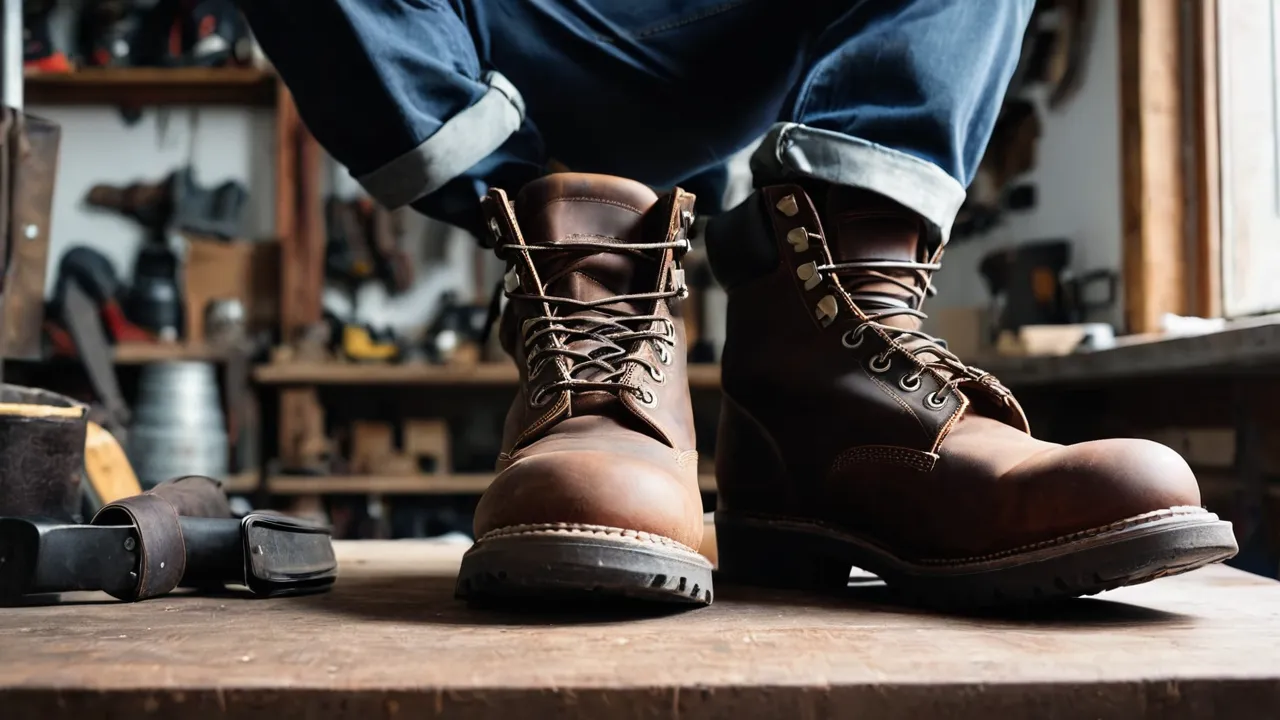
A work boot warranty usually covers defects in materials or workmanship, such as a sole that separates early or stitching that fails, and it usually excludes normal wear, misuse, neglect and damage from the job. What is covered, for how long, and whether the remedy is a repair, a replacement or a refund all vary by maker, so read the written terms before you buy and keep your proof of purchase.
What a Warranty Is and Is Not
A warranty is a written promise by the maker or seller to fix or replace a product if it fails in specific ways within a stated period. It is not insurance against everything. A boot that wears out from heavy use, gets cut by a tool or is soaked in chemicals is generally not a warranty case. The difference is between a defect, meaning the boot failed because it was made badly, and wear, meaning the boot aged as expected.
Terms such as “lifetime” can be misleading. A lifetime warranty usually refers to the lifetime of the product or a defined period, not yours, and it still has exclusions. Always look for the actual document or page, since marketing summaries leave out the limits.
Common Coverage and Exclusions
Typical coverage includes:
- Sole separation or delamination that happens early in use.
- Stitching failures at seams that were made by the maker.
- Defective zippers, eyelets or hooks.
- Leather defects present from the start, such as splitting not caused by use.
Typical exclusions include:
- Normal wear on soles, heels and linings.
- Damage from cuts, punctures, chemicals, heat or oil.
- Damage from lack of care, such as dried and cracked leather from neglect.
- Alterations or repairs by a third party.
- Use outside the boot’s intended purpose.
- Fit complaints, which are usually handled by return policies, not warranties.
Some makers cover a fixed period, such as one year, and others cover a longer period or offer repair programs for a fee. Treat any period you read on a page as something to confirm in the written terms.
How Warranty Interacts With Care and Repair
Care affects coverage. A maker may refuse a claim for leather that cracked after neglect, or for a sole that separated after the boot was dried near a heater. Follow the care instructions and avoid practices the manual warns against. Cobbler repairs may also change coverage, so ask the maker before you have anyone work on a boot that is still under warranty.
Proof of Purchase and Making a Claim
Proof of Purchase and Documentation
A claim usually needs proof that you bought the boot from an authorized seller and when. Keep your receipt or order email, and photograph the boot’s size, model and date code. If the boot is a gift or bought through a workplace program, ask where the record is kept. Some warranties require registration within a short time of purchase, so look for that step in the instructions.
When you make a claim, you may need to send photos of the defect and sometimes the boot itself. Clean the boot first, since a muddy boot is harder to assess, and do not attempt your own repair before the claim is decided, because that can void coverage.
Making a Claim Step by Step
- Find the warranty terms and check the period and the exclusions.
- Gather proof of purchase and photos of the defect.
- Contact the maker or seller using the method stated in the warranty.
- Describe the problem plainly, with dates and conditions of use.
- Ask what happens next and keep every message.
- Do not repair or alter the boot until the claim is decided.
If the claim is denied, ask for the reason in writing and check whether it matches the stated terms. If you disagree, ask for a second review. Politeness and clear records help.
Repair, Replace or Refund
Warranties differ in what they offer. Some repair the boot, some replace it with the same or a similar model and some refund the purchase price. Replacement may not be the same model if it has been discontinued. Repair may cost shipping, and some programs charge a fee. Ask the maker which remedies apply and who pays shipping each way.
If you plan to keep a boot for years, the repair route often matters most. A boot that can be resoled by a cobbler, or by the maker, has a long life even after the warranty expires. Our recraft versus cobbler guide explains the difference between factory recrafting and local repair.
Before You Buy
Questions to Ask Before You Buy
- How long does the warranty last and when does it start?
- What does it cover, and what does it exclude?
- Is the remedy a repair, replacement or refund?
- Who pays for shipping and any fees?
- Do I need to register the boots?
- Is the warranty valid if I buy from a particular seller?
- Does it cover boots used at work?
- Can the boots be resoled, and by whom?
If a seller cannot answer, look for the written terms on the maker’s site.
Typical Warranty Structures You Will See
- Limited defect warranty for a set period, covering materials and workmanship.
- Longer limited warranty for specific parts such as soles.
- Repair programs, where the maker resoles or recrafts for a fee.
- Seller guarantees, which are separate from the maker’s warranty and may offer returns for a short window.
- Workplace programs, where an employer provides or reimburses boots and may set conditions.
Compare structures by what they would do for you in a realistic failure, such as a sole separating at month three.
Special Cases Worth Knowing
If you buy used or from a third-party seller, the warranty may not transfer. If you buy at a discount, check whether the seller is authorized. If you work in a regulated job, ask whether using a repaired boot affects safety certification. For safety-rated footwear, follow the maker’s guidance on repairs.
A Worked Scenario
Suppose the sole on a pair of boots begins to peel at the toe after three months of regular wear. First, look at the terms: sole separation within the first months is a typical defect case. Gather your receipt and take clear photos of the toe, the whole boot and the size label. Contact the maker with the date of purchase, how often you wear the boots and what kind of work you do. Do not glue the sole yourself.
Compare that with a pair whose outsole lugs are worn smooth after two years of daily wear. The terms very likely treat this as normal wear, and a claim is unlikely to succeed. The better path is a cobbler resole, if the construction allows it. The same boot can produce either kind of problem, and the timing, the location of the failure and your records decide which path you are on.
Think about the cost of each path too. A warranty claim that requires you to pay shipping both ways may cost close to a local repair, and a repair program with a flat fee may be cheaper than replacing the boots. Ask for the full cost before you commit, and weigh the days without boots. If you need them daily, a second pair makes any repair or claim much less disruptive.
Warranty and Value Over Time
A warranty is one factor in value, not the only one. A longer warranty on a boot that fits badly is worth little, because you will not wear it. A boot with a short warranty but solid construction and easy repair may serve you better. Consider fit, construction, repairability and care together. For how we weigh claims like these, see how we review, and browse the clothing and footwear section for related guides.
Finally, remember that a warranty works best alongside good habits. Take a photo of new boots, note the purchase date, keep the receipt in one place and follow the care guidance, so that if a defect appears you can act quickly and calmly. Early reporting also helps, since a small stitching problem is easier to judge than a failure that has been worn for months. If a claim is denied, ask for the reason in writing and keep your notes, because a clear record helps if you choose to ask for a second review.
Frequently Asked Questions
Does a work boot warranty cover normal wear?
Usually not. Warranties cover defects in materials or workmanship, such as early sole separation or failed stitching, and exclude normal wear on soles, heels and linings. Read the written terms to see exactly what counts as wear and what counts as a defect.
What do I need to make a work boot warranty claim?
Typically proof of purchase, photos of the problem and sometimes the boot itself. Keep your receipt or order email, note the model and size and contact the maker through the method in the terms. Do not repair the boot before the claim is decided.
Does resoling my boots void the warranty?
It can. Some makers exclude boots that were repaired or altered by a third party. Ask the maker before you have a cobbler work on a boot still under warranty, and keep records of any repair you do after the warranty ends.
Is a lifetime warranty on work boots worth paying more for?
Only if you read the terms. A lifetime warranty usually covers defects, not wear, and may require proof and shipping at your cost. Consider whether the boot fits well, can be repaired and comes from a maker with clear terms before you pay extra.
Final Thoughts
Treat a work boot warranty as a defect policy with limits. Read the coverage and exclusions, keep proof of purchase, follow the care instructions and ask about repair options before you buy. A good fit and a repairable boot usually deliver more value than a long warranty on a boot you will not wear.
Related buying guides
- Work Boots for Standing on Concrete: What Features Matter
- Work Boots for Plantar Fasciitis: What to Look For
- Work Boots vs Hiking Boots: Which Do You Need
About the author

The BuyOnceChoice Editorial Team researches durable products worth buying once. Our guides compare published specifications, warranty terms, expert review consensus, and verified owner feedback. We do not conduct our own product trials. See How We Review and our Editorial Policy for our standards.