Work Boot Socks: Material, Height and Cushion Guide
Socks change how a boot fits more than most buyers expect. Learn how fiber, thickness and height affect comfort, moisture and sizing before you buy boots.
 By BuyOnceChoice Editorial Team
Updated November 16, 2026
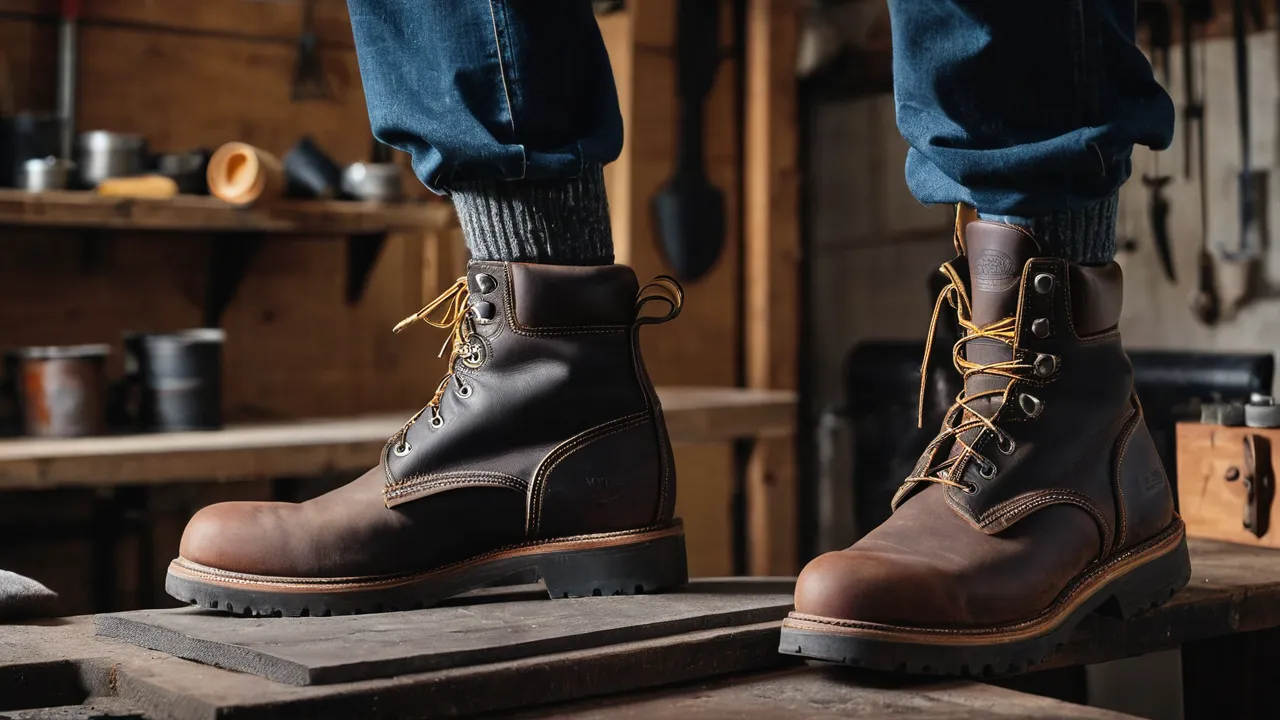
Merino work boot socks are a good default for most workers because merino wool wicks moisture, stays warm when damp and resists odor better than cotton, but the right sock also depends on thickness, height and the boot you wear. A sock that is too thick will make a good boot feel tight, so choose the sock first and then check the fit of the boot with it on.
Why Socks Matter More Than They Seem
A work boot sits against your foot for eight or more hours, and the sock is the only layer between skin and boot. It manages sweat, cushions pressure points, reduces friction and takes up volume. Wrong socks cause blisters, cold feet, hot spots and odor, and they change the size of boot you need. Because socks fill space, they belong in the sizing math. See our work boot fitting guides for the full routine, and use the sock you intend to wear every time you try boots.
Fibers Compared
- Merino wool: soft, wicks moisture, insulates when damp, resists odor and feels comfortable across a wide temperature range. Pure merino wears faster at the heel and toe, so look for blends with nylon.
- Other wool: coarser and often cheaper, can itch, and offers similar warmth.
- Synthetic blends: polyester, nylon and acrylic dry fast, wear well and cost less. They can hold odor and feel less warm when wet than wool.
- Cotton: absorbs moisture and holds it. It is comfortable in dry, short use and a poor choice for sweat, wet conditions or cold.
- Blends: most work socks mix wool or synthetic with nylon for strength and elastane for stretch.
If you are unsure, a merino blend with nylon and a small amount of elastane is a reliable choice. Read the fiber percentages on the label, since marketing names can hide a low wool content.
Check the label for the fiber mix and for the thickness category the maker uses, since terms like lightweight, midweight and heavyweight are not standardized across brands. Two socks labeled midweight can differ noticeably in bulk, so compare the actual feel, and when you find a sock that works with your boot, buy the same model again instead of guessing at a new one.
Thickness, Cushion and Boot Sizing
Sock thickness is the biggest hidden variable in boot fit. A heavy cushioned sock can take up the space of a half size. Here is a simple way to link sock and boot.
- Choose the sock you will wear most of the year, by thickness category: light, medium or heavy.
- Put on the sock and try the boot, then run the fit checks for toe room and heel hold.
- If the boot feels tight with the sock, move to a thinner sock or a boot with more volume. Do not force it.
- If the boot feels loose with a thin sock, a medium sock may bring the fit to the right place.
- If you change sock thickness by one category, recheck the fit before you wear the boots on the job.
As a rough guide, going from a light to a heavy sock can use up roughly the space you would gain from a half size. Treat that as an estimate and confirm on your own foot.
Cushioning is separate from thickness. Cushion can be placed under the heel and ball only, which adds protection without filling the whole boot. A sock with targeted cushioning often suits work boots better than a uniformly thick one.
Height, Seams and Fit
Sock height should match the boot. A crew or mid-calf sock rises above the boot collar and protects the shin and ankle from rubbing. Tall boots usually pair with taller socks, and short boots with crew socks. Ankle socks fall inside the boot and let the collar rub the skin, which causes blisters.
Seams matter. Look for flat or seamless toe closures, because a ridge across the toes will press against a safety toe. Reinforced heels and toes add wear life. The sock should fit snugly without bunching. A sock that is too big wrinkles inside the boot, and wrinkles cause blisters. A sock that is too small slides down or pulls at the toes.
Matching Socks to Conditions
- Hot, humid work: light or medium merino blend or synthetic, with breathable panels, and a spare pair.
- Cold outdoor work: medium or heavy merino blend, and enough boot room that circulation is not squeezed.
- Wet work: wool or synthetic, never cotton, and change socks when they get soaked.
- Long standing on hard floors: cushioned socks with targeted padding.
- Mixed indoor and outdoor: medium merino blend, carry a dry pair.
If you work in the cold, see our winter boots guides for boot choices that go with a thicker sock.
Sock Systems for Extreme Conditions
In very cold or very wet conditions, some workers wear a thin liner sock under a thicker one. The liner wicks moisture away from the skin, and the outer sock insulates. This only works if the boot has room for both. If the boot is already snug, the second layer restricts circulation and makes feet colder. Bring a spare dry pair, change when damp and dry the boots overnight.
Compression and Support Socks
Some workers wear graduated compression socks for long days on their feet. These are designed to apply more pressure at the ankle and less higher up. People with circulation problems, swelling or medical conditions should ask a clinician before using them, since fit and pressure level matter. If you try them, check that the boot has room, since the sock adds volume at the ankle.
A Worked Example
A worker owns boots that fit well with a light sock, with a thumb’s width of toe room and a heel that stays down. In winter they switch to a heavy merino sock, and suddenly the toes touch the front and the top of the foot feels pinched. Nothing is wrong with the boot or the sock. Together they take up too much volume. The options are a medium sock, a boot with more depth for winter or a half size up for the cold season. The cheapest fix is the medium sock, and the worker should check that the foot still stays warm. If the boot is too tight with any warm sock, a winter boot sized for thick socks is the real answer.
Now take a worker who buys a thin sock to save space in a boot that is already roomy. The heel slips, and blisters follow. Here a medium sock fills the volume and holds the heel. The same boot is right or wrong depending on the sock, which is why you should keep a note of both, for example “size 10, medium merino blend, fits well”, and bring the sock with you whenever you try on boots.
Fit Tips, Mistakes and Buying for the Long Term
- Wearing cotton socks in wet or cold work.
- Trying boots with thin socks and then wearing thick ones.
- Buying socks that are too large and bunch in the boot.
- Ignoring the heel and toe reinforcement and wearing through them.
- Skipping a spare pair on long days.
- Washing wool socks hot and drying them on high, which shrinks them.
Wash socks according to the label, usually warm or cool with mild detergent, and air dry or tumble on low. Turn them inside out to protect the cushioning. Replace socks when the heel or ball thins, the elastic loses grip or they start to pill or bunch.
Buying for the Long Term
A pair of well-made merino blend socks usually costs more than cotton, but wears longer and feels better, which can lower the cost per wear. Buy several pairs of the same model so you can rotate them. Match the sock to your work: a few pairs of a medium cushioned sock for everyday and a lighter pair for hot days. Read return policies for socks, since you cannot always try them first. For how we weigh these claims, see how we review, and browse the clothing and footwear section for more.
Frequently Asked Questions
Are merino wool socks good for work boots?
Yes, for most workers. Merino wicks moisture, insulates when damp and resists odor, so it suits long shifts in changing temperatures. Choose a blend with nylon for durability and check the thickness against your boot, since a thick merino sock can make a boot feel tight.
What sock thickness is best for work boots?
Medium cushioned socks suit most work boots, with light socks for hot work and heavy socks for cold, provided the boot has room. Choose the sock first, try the boot with it on and check toe room and heel hold before you commit.
Can I wear two pairs of socks in work boots?
Only if the boot has room for both without squeezing your toes. A thin liner under a medium sock can help with moisture and cold, but a snug boot will feel tighter and may restrict blood flow. If it feels tight, go back to one pair.
How often should I replace work socks?
When the heel or ball thins, the elastic stops holding or the sock bunches in the boot. Heavy daily use can mean replacing socks every several months. Rotate pairs and wash them as the label says to extend their life.
Final Thoughts
Choose merino or a wool blend with nylon for most work, match thickness and height to your boot, and fit boots with the sock you will wear. Avoid cotton in wet or cold work, carry a spare pair on long days and replace socks when the heel or ball wears thin.
Related buying guides
- Work Boot Warranty Guide: What Is Covered and What Is Not
- Work Boots for Standing on Concrete: What Features Matter
- Work Boots for Plantar Fasciitis: What to Look For
About the author

The BuyOnceChoice Editorial Team researches durable products worth buying once. Our guides compare published specifications, warranty terms, expert review consensus, and verified owner feedback. We do not conduct our own product trials. See How We Review and our Editorial Policy for our standards.