Work Boots for Plantar Fasciitis: What to Look For
Heel pain makes every shift longer. This checklist covers shank, heel counter, drop and rocker features to compare, and when to see a clinician instead.
 By BuyOnceChoice Editorial Team
Updated November 16, 2026
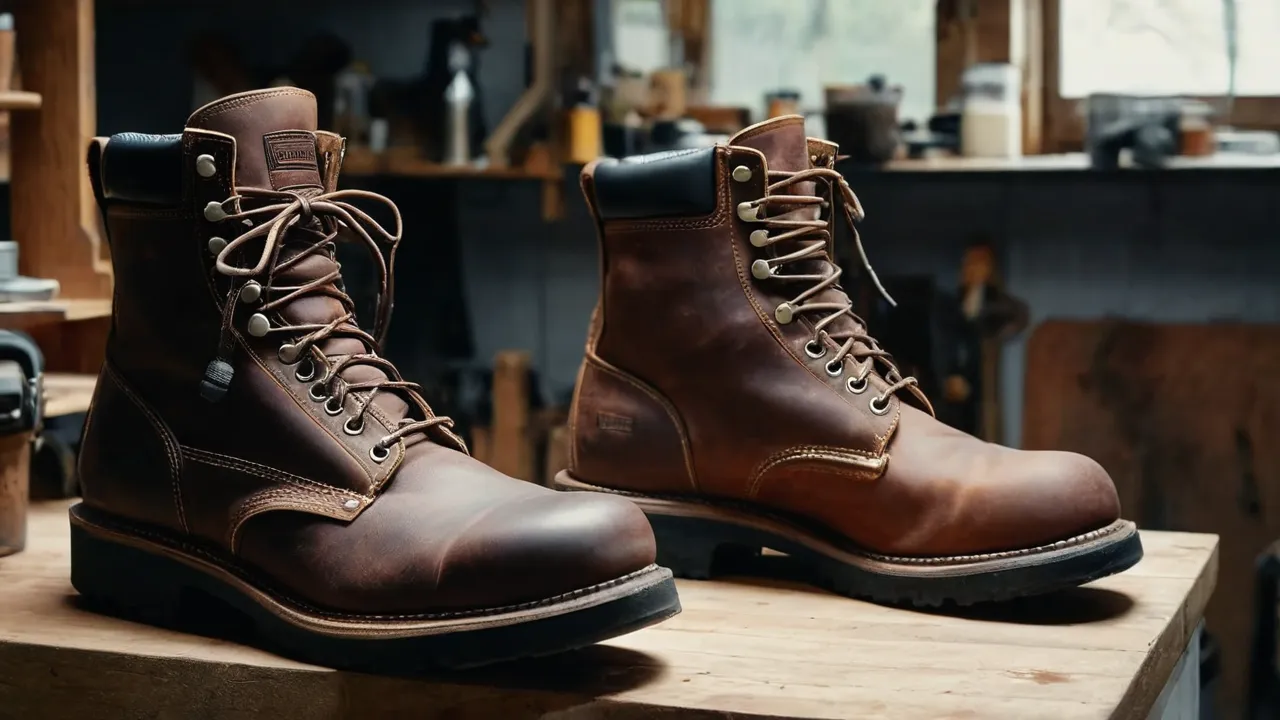
Work boots for plantar fasciitis should have a stiff shank, a deep and firm heel counter, a removable footbed with real arch support, a midsole with cushion that rebounds and a fit with room for your toes. Plantar fasciitis is irritation of the tissue band along the sole of the foot, and no boot treats it, so use these features to reduce strain and see a clinician if heel pain persists.
Why Boot Features Matter for Heel and Arch Discomfort
People with heel or arch pain often find that long shifts on hard floors make it worse. A boot that bends in the middle, lets the heel roll or has a thin flat footbed gives the foot little help. A boot with good structure shares the load, so the foot does less of the work. That is the logic behind the features below. It is general shopping guidance, not medical advice, and individual feet respond differently.
Start with your job. Standing on concrete asks for cushion and a firm shank. Climbing and carrying asks for a stiff shank and a stable heel. Walking long distances asks for a lighter boot with a gentle rocker. Our replacing or skipping insoles guide covers the footbed side in more detail.
The Shank
The shank is the stiff layer between the insole and the outsole. It resists bending under the arch, which reduces the stretch on the tissue along the sole of the foot with each step. Shanks come in steel, composite, nylon and fiber board. Steel is very stiff, composite and nylon are lighter and slightly more flexible, and fiber board is common in lighter boots.
How to check: hold the boot at the heel and toe and try to twist and bend it. It should resist twisting, and it should bend where your toes bend, at the ball of the foot, not in the middle. If a boot folds in half easily, it probably lacks a supportive shank. Product pages do not always say what the shank is made of, so ask the seller if it is unclear.
Heel Counter, Heel Drop and Rocker Soles
Heel Counter
A firm heel counter cups the heel bone and keeps it from rolling in or out. Pinch the back of the boot: it should resist and spring back. A soft counter collapses, and a collapsed counter can leave the foot unsupported.
Heel Drop
Heel drop is the height difference between heel and forefoot. Some people with heel or arch pain are more comfortable with a modest drop, which reduces the pull on the back of the leg, and others prefer a flatter boot. There is no universal answer, so try a few and note which one feels better over ten minutes of walking. If you are unsure, ask a clinician.
Rocker Soles
A rocker sole has a curved profile that helps the foot roll forward through each step. Some people find a mild rocker reduces effort and pressure at the ball and heel. A strong rocker can feel unstable on ladders and uneven ground. Try it on a floor and a ramp before you commit.
Midsole, Cushioning and Insoles
The midsole adds cushion. You want a midsole that compresses a little and rebounds, not one that is rock hard or so soft it bottoms out. Foam types such as EVA are light and soft, and polyurethane tends to be denser and more durable. If you try a boot and your heel feels the floor at each step, it lacks cushion or the foam is worn.
A removable footbed lets you swap in an insole with better arch support. Look for a contoured insole with a deep heel cup, and check that the boot has room, since a thicker insole uses up volume. If a clinician has recommended orthotics, bring them and fit the boots with them in. Check the maker’s guidance on aftermarket insoles and safety ratings before replacing the original.
When to See a Clinician
Seek advice if heel pain is sharp, lasts more than a few weeks, is worst with the first steps in the morning and does not improve, wakes you at night or comes with numbness, swelling or a change in how you walk. A doctor or podiatrist can confirm the cause and suggest treatment, stretching, orthotics or footwear. If you have diabetes or reduced sensation in your feet, ask about footwear before you buy and inspect your feet daily. Boots are one part of care and not a replacement for it.
A Worked Example
A warehouse picker walks and stands on concrete for ten hours and gets heel ache by midday in a soft, flat boot. They try three boots in the afternoon with their work socks. Boot one folds in the middle and has a fixed flat footbed, so they pass. Boot two has a stiff shank and a firm counter but only a thin footbed that is glued in, so it cannot take an insole. Boot three has a stiff shank, a firm counter, a removable footbed and a mild rocker. They swap in a contoured insole, check the toe room and heel hold, and wear the boot indoors for two days before the first shift. After a week they note how the heel feels at the end of the day and compare it with the old boots.
The point is the sequence: structure first, then footbed, then fit, then a short trial in familiar conditions. A boot that passes the first three checks but fails the fit is still the wrong boot. Keep the old pair for rotation during break-in, and if the new boots make the pain worse, return them within the window and ask a clinician for guidance.
Different jobs change the weighting. A roofer or climber leans toward the stiffest shank and a stable heel, even at some cost in cushion, since the footing matters more than the plush feel. A delivery driver who steps in and out of a cab all day leans toward a lighter boot with a moderate shank. If your shifts vary, choose for the hardest part of the day, and use the insole to fine-tune the rest.
Decision Rules by Buyer
- Standing on concrete: choose a firm cushioned midsole, a stiff shank and a removable footbed.
- Walking long distances: choose a lighter boot, a moderate shank and a gentle rocker if you like it.
- Climbing and carrying: choose a stiff shank, a firm counter and a stable sole.
- Wide feet or orthotics: look for width options and removable footbeds with depth.
- Mixed work: choose the stiffest shank you can tolerate, and add cushion through the insole.
Fit, Break-In and Care
Fit Rules That Matter More With a Supportive Boot
A supportive boot that does not fit will do you no good. Fit in the afternoon with work socks and your insole. Check that the heel stays down, the toes have a thumb’s width of room, the instep is not crushed and the arch of the boot lines up with your arch. Stiff boots have less margin for error, because they will not flex to hide a poor fit. If the arch support feels like a lump, try another last.
Break-In and Gradual Change
A new, firmer boot can feel different at first. Wear it for a few hours a day for the first days, and increase gradually. If pain increases during break-in, stop and reassess instead of pushing through. Swap back to your old boots for part of the day if you need to.
Care and Replacement
Footbeds flatten and midsoles compress, and a supportive boot gradually becomes less supportive. Check the insole and the midsole every few weeks, and replace them when they feel flat. Rotate two pairs if possible. A boot with a worn heel counter or an uneven outsole can change how you walk, which may affect your comfort. For more on care, see our clothing and footwear section.
Questions to Bring to a Fitting
- Is the footbed removable, and is there room for my orthotic?
- What is the shank made of, and how stiff is it?
- Does the heel counter feel firm?
- What is the heel drop, and does the boot have a rocker?
- Does the boot come in wide sizes?
- What is the return policy if it does not work?
For how we handle claims about support and comfort, see how we review.
Frequently Asked Questions
What features should work boots for plantar fasciitis have?
Look for a stiff shank, a firm heel counter, a removable footbed with arch support, a midsole that cushions and rebounds and a roomy toe box. Fit matters most. If heel pain continues, see a clinician, since boots reduce strain but do not treat the condition.
Does a stiffer boot help plantar fasciitis?
Some people feel better in boots that resist bending at the arch, since this reduces strain on the sole of the foot. Others find very stiff boots uncomfortable. Try boots with a stiff shank and a flex point at the ball, and judge by how your feet feel after ten minutes of walking.
Are rocker sole work boots good for plantar fasciitis?
They can help some people by easing the roll through each step, but a strong rocker may feel unstable on ladders or uneven ground. Try a mild rocker on both flat and uneven surfaces and consider your job before you commit.
Can I wear orthotics in steel toe work boots?
Often yes if the boot has a removable footbed and enough volume. Check the maker’s guidance on aftermarket insoles and any effect on safety ratings, and ask your employer if certified footwear is required. Fit the boot with the orthotic in place before you buy.
Final Thoughts
For plantar fasciitis, look for a stiff shank, a firm heel counter, a supportive removable footbed, cushioned midsole and a fit with room. Use decision rules by job, break boots in gradually and see a clinician if pain persists.
Related buying guides
- Work Boots vs Hiking Boots: Which Do You Need
- Work Boots vs Cowboy Boots: Job Site Fit and Wear
- 6 Inch vs 8 Inch Work Boots: Which Height Fits Your Job
About the author

The BuyOnceChoice Editorial Team researches durable products worth buying once. Our guides compare published specifications, warranty terms, expert review consensus, and verified owner feedback. We do not conduct our own product trials. See How We Review and our Editorial Policy for our standards.