Work Boot Insoles: When to Replace and When to Skip
A new insole can fix comfort or ruin fit. Learn how it changes volume with a safety toe, how to match your arch and when to keep the stock footbed.
 By BuyOnceChoice Editorial Team
Updated November 16, 2026
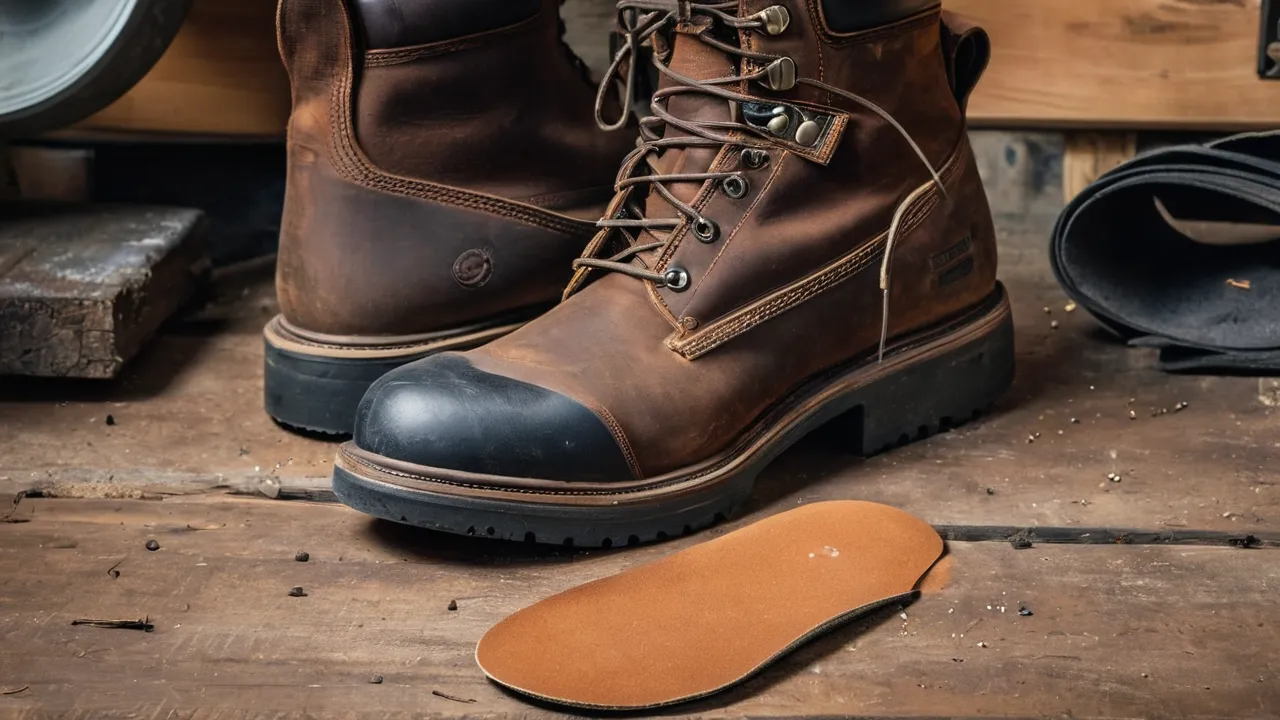
Replace the insole in a work boot when the stock one is flat, worn out or does not match your arch, and skip the swap when the boot already fits well and the factory footbed still supports you. Because an insole takes up space inside the boot, changes fit volume and may affect a boot’s safety rating or warranty, check the maker’s guidance before you replace anything.
What the Stock Insole Does
The insole that comes in a work boot is usually a thin foam or fiber board with a light cover. Its main job is to give the boot a finished interior and a bit of cushioning, and in many boots it is designed to be good enough for most feet, not ideal for any particular foot. Some boots include a better footbed with arch contouring and a heel cup, and some have a removable one that is easy to swap.
Stock insoles also wear out. Foam compresses with use, the cover wears through at the heel and ball, and the shape flattens. A flattened insole can feel as if the boot has stopped supporting your foot, even when the rest of the boot is fine. That is often the best reason to replace one.
Insoles Change Fit Volume
An aftermarket insole is thicker than most factory footbeds, which raises your foot in the boot and uses up room. This has three effects.
- The instep gets tighter, since the top of the foot sits closer to the tongue and laces.
- The toe box gets shorter in height, which matters with a safety toe, because the cap does not give.
- The heel may sit higher, which can change how the collar meets the ankle and may cause rubbing.
A boot that fit perfectly with the factory footbed can feel cramped with a thick insole. The fix is to try the boot with the new insole in it, with your work socks, and to take the factory insole out when you do, so you are not stacking two layers. Our work boot fit guides explain how to judge room at the toe and instep.
Matching the Insole to Your Arch
If you replace the insole, match it to your foot.
- Low arch or flat foot: look for a firm insole with a supportive but not aggressive arch, and a stable heel cup.
- Neutral arch: a moderate arch and cushioning usually work, and many people can stay with a good factory footbed.
- High arch: a contoured insole with cushioning that fills the gap under the arch spreads pressure.
If you are not sure of your arch type, wet your foot and step on a piece of paper, or ask a footwear specialist. If you have persistent pain, ask a clinician before changing your footwear. This is general advice, not medical advice. If a clinician has prescribed orthotics, bring them when you shop and make sure the boot has room for them.
Rating and Warranty Questions
Safety footwear is rated as a complete product, and some ratings, for example electrical hazard protection, depend on the construction as built. Adding or replacing parts may affect whether the boot still performs as rated, so read the manual and the maker’s guidance on aftermarket insoles. Some makers allow only their own replacement footbeds, and others say any insole is fine if it does not change certain features. If your employer requires certified footwear, ask them about insole changes before you make one.
Warranty can also be affected. Some warranties exclude damage from aftermarket parts, and some do not. Ask the maker or the seller, and keep the original insole in case a claim requires it.
Replace or Skip: A Quick Decision Guide
Replace the insole if:
- The factory insole is flat, torn or compressed.
- Your feet ache at the arch or heel after a shift and the boot fits otherwise.
- You have a particular arch type that the stock footbed does not match.
- The maker says aftermarket insoles are acceptable.
Skip the swap if:
- The boot already fits well and the footbed is in good shape.
- Adding an insole makes the boot tight at the toe or instep.
- Your employer requires certified footwear and you have not confirmed that an insole change is allowed.
- The boot has a built-in footbed that is not removable.
If you are between the two, wear the boot for a week and note how your feet feel. A week of data beats a guess.
Choosing, Fitting and Checking an Insole
Types of Insoles You Will Meet
- Foam cushion insoles: soft and light, good for padding, but they compress quickly under heavy use.
- Gel insoles: cushion at the heel or ball, with varying support.
- Contoured support insoles: firmer, with arch shape and heel cup, often made of foam or composite materials.
- Cork or leather insoles: shape to the foot over time, popular in some boot styles.
- Custom or prescription orthotics: made for a particular foot, usually the thickest and highest in volume.
Thicker is not always better. A thin, firm insole may support the arch better than a thick, soft one, and it leaves more room in the boot.
How to Fit an Insole Properly
- Remove the factory insole, rather than stacking the new one on top of it.
- Trace the factory insole onto the new insole if it needs trimming, and cut slowly, a little at a time.
- Place the insole in the boot and make sure it lies flat with no folds.
- Put the boot on with your work socks and lace it fully.
- Stand, walk, climb stairs and squat. Look for pressure at the top of the foot or toes.
- Wear it for an hour indoors before the first shift.
If the boot becomes tight, try a thinner sock or a lower-profile insole.
Signs the New Insole Is Not Working
Hot spots on the top of the foot, numb toes, heel lift, arch cramps or soreness in the shin or knee after a day are all signs the insole is wrong or does not fit. Give any new insole a short break-in, a few days of increasing wear, and go back to the factory insole if discomfort grows. Do not push through pain.
A Worked Example
A warehouse worker has boots that fit well for the first three months, then starts to feel an ache in the arch by the end of the shift. The boot is not worn out, and the toe and instep room are fine. The factory insole is visibly flattened. This is a clear case for replacement: the same fit, with a fresh, slightly more supportive footbed in the same thickness.
A second worker has boots that already feel snug across the top of the foot. A thick contoured insole is tempting, but it would use up the room that remains. The better move is to keep the factory footbed, check that it still supports, and look for a low-profile replacement only if the footbed fails. If the snugness persists, the real problem is the boot’s fit, and a new insole will not solve it.
Both cases follow the same rule: the insole serves the fit, not the reverse. If the boot does not fit, fix the boot. If the boot fits and the footbed is worn, replace the footbed.
Check Before You Buy
Look at three things on the insole’s product page or packaging: the thickness, the intended footwear type, and the arch profile. Thickness tells you how much room it will use. Footwear type tells you whether it was designed for boots, which are deeper and more rigid than sneakers. Arch profile tells you whether it matches your foot. If the page lists none of these, ask the seller. Also compare the insole’s length with the boot’s footbed, since many insoles are sold in size ranges and need trimming.
Cost and Replacement Cycle
Insoles wear out. Foam insoles often need replacement more often than the boots, and heavy daily use shortens the cycle. Look at the insole every month or two for flattening, cracking and worn covers, and replace it when it no longer feels supportive. Fresh insoles are usually cheaper than new boots, and they can extend the comfortable life of a good pair. For how we weigh claims like these, see how we review. You can also browse our clothing and footwear section for related guides.
Frequently Asked Questions
Can I put an aftermarket insole in my safety toe boots?
Often yes, but check the maker’s guidance first. Some safety ratings depend on the boot as built, and an extra-thick insole can also crowd the safety toe. Read the manual, ask the seller if the boot has a removable footbed, and confirm with your employer if certified footwear is required.
How often should I replace work boot insoles?
Replace them when they feel flat, compressed or worn through, which can mean every few months with heavy daily use. A visual check each month helps. If the boot still fits well and the insole still supports you, there is no fixed schedule.
Should I take out the factory insole before adding a new one?
Yes, in most cases. Stacking insoles reduces room in the boot and can make the fit too tight. Remove the factory insole, fit the new one flat, and try the boot with your work socks before you wear it for a full shift.
Do expensive insoles work better than cheap ones?
Not necessarily. The right shape for your arch and the right thickness for your boot matter more than the price. A firm, well-fitted insole can outperform a thick, soft one. Judge by fit and comfort over a week of wear, and keep the return option open.
Final Thoughts
Replace the stock insole when it is flat, worn or mismatched with your arch, and skip it when the boot fits well and the footbed still supports you. Check fit volume, safety rating and warranty before swapping, take the old insole out, and give the new one a short break-in.
Related buying guides
- Lace Length and Lacing Styles for Work Boots
- Work Boot Lasts and Heel Counters: What They Mean
- Work Boot Maintenance: Cleaning and Conditioning Schedule
About the author

The BuyOnceChoice Editorial Team researches durable products worth buying once. Our guides compare published specifications, warranty terms, expert review consensus, and verified owner feedback. We do not conduct our own product trials. See How We Review and our Editorial Policy for our standards.