Work Boot Maintenance: Cleaning and Conditioning Schedule
Match your boot care to what the boots meet: mud, oil, salt or dust. A simple schedule and a limit on conditioner keep leather supple and stitching intact.
 By BuyOnceChoice Editorial Team
Updated November 16, 2026
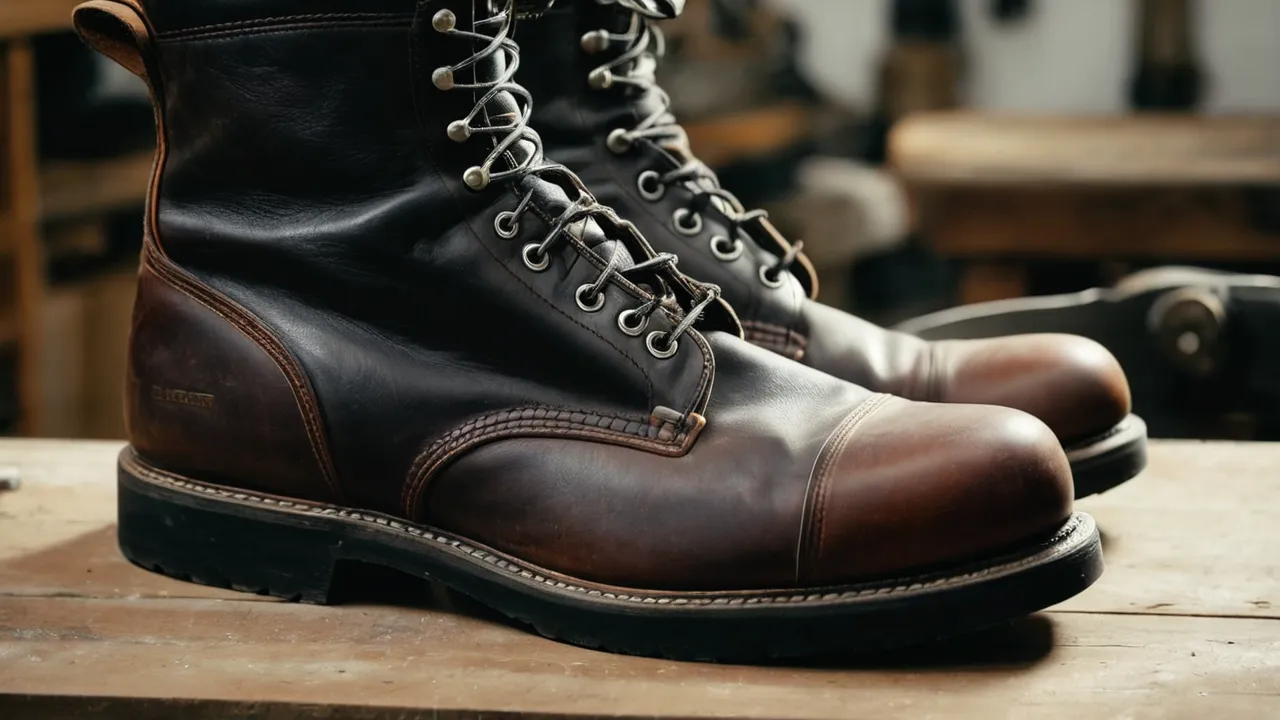
To clean and condition work boots, brush off dry dirt, wipe the leather with a damp cloth and mild cleaner, let the boots dry at room temperature, then apply a thin coat of conditioner or wax only when the leather looks dry. How often you do this depends on exposure: mud, oil and road salt call for a short wipe after each shift and a deeper clean every week or two, while dry indoor work needs far less.
Why a Schedule Beats a Rule
Advice like “condition your boots every month” ignores that a mechanic and a landscaper wear boots very differently. Dirt, moisture, salt and oil each damage boots in their own way, and the right interval depends on how much of each your boots meet. A schedule based on exposure keeps the leather supple without overdoing it, since too much care can harm a boot as surely as too little.
Check your manual or the maker’s care page first. Boots made with specialty leathers, waterproof membranes or finishes may need different products, and some warranties depend on following the maker’s care instructions.
The Basic Cleaning Steps
- Take out the laces and insoles if they are removable.
- Knock the boots together and brush off loose dirt, using a soft or medium brush along the welt and seams.
- Wipe the uppers with a cloth dampened with water and a small amount of mild leather cleaner or saddle soap. Avoid soaking the leather.
- Rinse the cloth and wipe off residue.
- Stuff the boots with paper or use a boot dryer set to cool or low, and let them dry at room temperature, away from heaters and direct sun.
- When dry, apply conditioner or wax if the leather looks dry or pale, then buff.
Never dry boots next to a radiator, a fire or a hot vent. Heat shrinks and cracks leather and can weaken the adhesive that holds the sole.
Schedules by Exposure
| Exposure | After each shift | Weekly or biweekly | Monthly or seasonal |
|---|---|---|---|
| — | — | — | — |
| Dry indoor work | Wipe if dusty | Brush | Light condition if dry |
| Mud and wet outdoor work | Knock off mud, wipe | Wash, dry, check seams | Condition or wax |
| Oil, grease and chemicals | Wipe right away | Clean with suitable cleaner | Check for stiffness and cracks |
| Road salt and winter slush | Wipe salt off | Wash with a damp cloth | Condition after a dry-out |
Adjust these as you learn. If leather feels stiff, looks pale or shows fine cracks, it needs attention sooner. If it feels soft, greasy or spongy, it has had enough.
How Much Conditioner Is Too Much
Conditioner softens leather, and softened leather supports the foot less. Too much can darken the leather unevenly, leave it greasy and weaken the stitching and glue by saturating them with oil. It can also soften the leather so much that the boot loses structure, and a soft counter and toe area wear out faster.
Use a thin, even coat, work it in with a cloth, let it absorb and wipe off the excess. If the leather still feels oily after a day, you used too much. Condition only when the leather looks dry, and go lighter on boots with a waterproof membrane or a factory finish. Keep conditioner off the sole, the welt stitching where possible and any fabric panels.
Our guide to conditioner, oil and wax explains how these products differ.
Choosing a Conditioner for the Leather You Have
Different leathers need different care. Smooth full-grain leather accepts conditioner and wax well. Oiled or waxed leathers need products that match the finish. Nubuck and suede need brushes and special sprays, not oils. Synthetic and fabric parts should only be cleaned with a damp cloth. If you do not know the leather, check the product page or manual, and try any product on a hidden spot first.
Two Sample Schedules
A landscaper works in wet grass and mud five days a week. After each shift they knock off the mud and wipe the boots, pull the insoles and set the boots near, not on, a vent to dry overnight. Every Friday they wash the uppers with a damp cloth and a little mild cleaner and check the stitching. Once a month, if the leather looks pale, they apply a thin coat of conditioner. With two pairs in rotation, each pair gets a full day to dry between uses.
A warehouse worker on dry concrete wipes the dust off once a week and brushes the welt. They condition the boots once every few months, when the leather begins to look dry, and use a light coat. Their main risk is not dirt but the slow drying of leather in heated indoor air, which cracks creases at the flex point.
The two schedules differ by a factor of several, and both are correct for the person using them. When you are unsure, start with the lighter one and add steps when the boots show signs of dryness, stiffness or salt marks. Looking at the boots every week for a minute, rather than treating them on a calendar, is the habit that prevents most damage.
Dealing With Specific Problems
Mud and Clay
Let mud dry slightly, then brush it off, since wiping wet mud pushes it into the grain. Rinse the rest off with a damp cloth. Clean the welt and the creases where clay hides.
Oil and Grease
Wipe immediately with a clean cloth. A mild leather cleaner can lift light stains, but oil often leaves a mark. Do not use harsh solvents unless the maker says so, as they can strip finishes and damage adhesives. If the boot is exposed to oil often, check whether the sole is oil-resistant and whether the maker recommends a cleaning product.
Salt Stains
Salt leaves white lines and dries out leather. Wipe with a cloth dampened with water and a little white vinegar if the maker allows it, then rinse with a damp cloth, dry and condition lightly. Do this promptly, since salt keeps working into the leather.
Odor and Dampness
Pull out the insoles, let boots dry between uses and rotate two pairs. Use a boot dryer on a cool setting, or stuff boots with dry paper. Cedar inserts and baking soda help with odor, but they do not fix wet liners.
Storage, Rotation and a Monthly Routine
Storage and Rotation
Store boots in a cool, dry place with the laces loosened and the tongue pulled forward. Do not leave them in a hot car or a sealed plastic bag. If you have two pairs, alternate them so each has a full day to dry. Rotation extends the life of the boots and the insoles. For winter work, check our winter boots guides, and for broader topics read our work boots guides.
A Monthly Deep Clean You Can Do in Ten Minutes
- Remove laces and insoles and brush off dirt.
- Wipe uppers with a damp cloth and mild cleaner.
- Check the stitching along the welt and toe for fraying.
- Look at the sole for wear, cracks or embedded stones.
- Dry at room temperature.
- Condition lightly if needed, and buff.
- Replace laces and insoles if worn.
When to Stop and See a Cobbler
Take the boots to a cobbler if the sole is separating, the stitching is coming apart, the heel is worn down or the leather has deep cracks. A cobbler can often resole, re-stitch or repair a boot for less than the cost of a new pair. Do not try to glue a failing sole with household adhesive, since it can leave the boot worse than before. Repair is often the cheaper path when the upper is sound. Compare the quote for a resole or new heel with the cost of a comparable new pair, and ask the cobbler whether your boot’s construction allows it. Boots with a stitched welt are the easiest to resole, and cemented soles may be harder. Bring the boots in before the sole wears through to the midsole, since early repair has more options and costs less.
See our clothing and footwear section for more repair and care topics, and how we review for how we judge durability claims.
Frequently Asked Questions
How often should I clean and condition work boots?
It depends on exposure. Wipe off dirt after each shift in dirty conditions, wash weekly or biweekly with a damp cloth and condition only when the leather looks dry, which might be monthly or seasonally. Dry indoor work needs much less. Follow the maker’s care instructions.
Can you over-condition leather work boots?
Yes. Too much conditioner softens the leather, leaves it greasy and can weaken stitching and adhesive. Use a thin coat, wipe off the excess and condition only when the leather looks dry. Boots with waterproof membranes or finishes may need less or a different product.
How do I dry wet work boots safely?
Remove the insoles and laces, stuff the boots with paper and let them air dry at room temperature, or use a boot dryer on a cool setting. Do not use radiators, direct heat or hot dryers, which shrink and crack leather and weaken the adhesive.
What is the best way to remove salt stains from work boots?
Wipe promptly with a damp cloth, using a little diluted white vinegar if the maker allows, then rinse, dry and condition lightly. Leaving salt on the leather dries it out and can cause cracking, so deal with it after each salty day.
Final Thoughts
Match your boot care to your exposure: wipe after dirty shifts, wash and dry correctly, condition only when the leather looks dry and store boots in a cool, ventilated spot. Avoid too much conditioner and direct heat, and see a cobbler for failing soles or stitching.
Related buying guides
- Work Boot Sizing Guide: How Your Boots Should Fit
- Work Boot Socks: Material, Height and Cushion Guide
- Work Boot Warranty Guide: What Is Covered and What Is Not
About the author

The BuyOnceChoice Editorial Team researches durable products worth buying once. Our guides compare published specifications, warranty terms, expert review consensus, and verified owner feedback. We do not conduct our own product trials. See How We Review and our Editorial Policy for our standards.