TSA Approved Luggage Locks: What They Do and Do Not Do
A TSA lock is a convenience for inspectors, not a theft barrier. See how master keys work, what these locks protect and when another choice is smarter.
 By BuyOnceChoice Editorial Team
Updated November 16, 2026
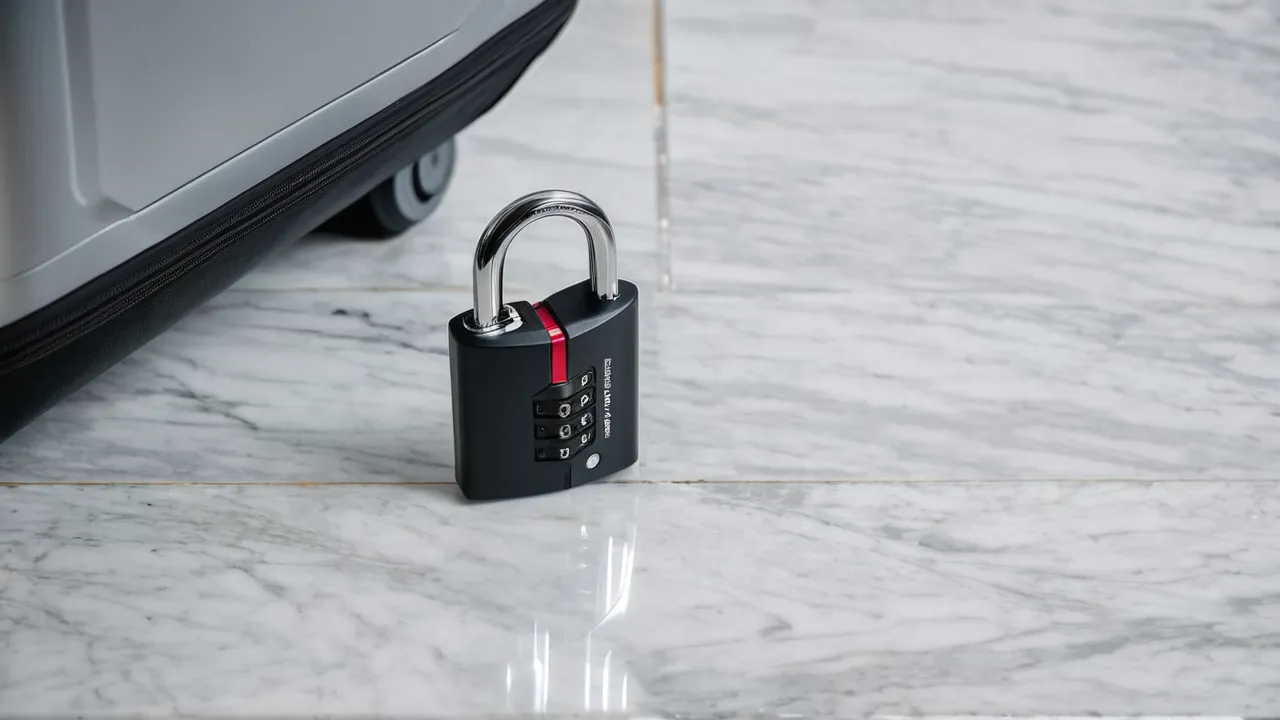
TSA approved locks are luggage locks that Transportation Security Administration officers can open with a master key, so a screener does not have to cut the lock to inspect a checked bag. They deter casual access, such as an unzipped pocket or a curious hand, but they do not stop a determined thief. Use one if you check bags and want to avoid a cut lock, and skip it when a different approach fits better.
What the Label Actually Means
The phrase can be misleading. TSA does not make or sell padlocks, and it states that it takes no position on how well they work as security. Instead, lock makers license a system, such as Travel Sentry or Safe Skies, under an arrangement that gives screeners a master key set for those locks. A lock bearing the recognized mark and design can be opened by an officer who has the matching key. The lock does not communicate with anyone, and it does not guarantee your bag will not be opened.
Screeners inspect checked bags as part of security procedures. If a bag needs a closer look and the lock is not one they can open, they may cut it or force the zipper. A recognized lock simply lowers the chance of damage to your lock and your bag.
How These Locks Work
Most are small combination or key padlocks, or built-in locks on a suitcase with a recognized mark. They look like ordinary locks except for a small keyhole, usually a diamond shape, for the master key. Many combination versions also include an indicator, such as a color change, that shows an inspection took place on some models, though not all models have this.
The combination you set is yours alone. You choose three or four digits, and the master key is separate. A built-in lock is often part of the zipper pull system and cannot be removed, while a separate padlock can be moved to another bag.
What They Protect Against and What They Do Not
A TSA lock does the following:
- It keeps zippers closed so items do not slide out during handling.
- It makes it harder for someone to casually open a pocket.
- It lets screeners reopen the bag without damage.
It does not do these things:
- Stop theft. A pen or a small tool can defeat many zipper closures, and cheap locks pick open quickly.
- Prevent baggage handlers or others who hold the master key from opening the bag. Master key designs have been seen publicly, so treat the protection as light.
- Replace insurance or careful packing. Keep valuables, medication and documents in your carry-on.
In short, a lock signals that a bag has been closed. Think of it as a deterrent and a courtesy, not a security device.
When a TSA Lock Is Worth It
A recognized lock makes sense in a few situations. If you check a bag with a zipper that you want fastened, it helps prevent accidental opening. If you carry items you do not want to be loose but not valuable, it keeps the contents in place. If you want screeners to be able to open the bag without cutting a lock you paid for, it is the right choice.
International travel adds a wrinkle. TSA applies only within the United States, and other countries have their own rules. A recognized lock may be cut abroad, so check what your destination allows and consider a lock you do not mind losing.
When to Skip a TSA Lock
There are good reasons to skip one. Carry-on bags are not usually opened by hand out of your view, so a lock adds little. If your bag has a zipper design that cannot be fastened with a padlock, such as a flush zipper, you may not need one. If you want to deter tampering, a numbered cable tie or a tamper-evident seal may do more, as discussed in our related guide on cable ties versus TSA locks. Someone who stores valuables in checked luggage, against advice, should address the real problem rather than buying a lock.
Also remember that a lock that is difficult to use can become a nuisance. Fiddly combination dials and tiny keys are a common complaint, so choose one you can operate with cold or tired hands.
Safety and Security Note
A lock is a small layer, not a safe. Keep cash, medication, jewelry, travel documents, spare batteries and electronics in your carry-on, since checked bags can be delayed, opened or lost. Follow the lock maker’s manual for setting and resetting the combination, and follow the TSA website and your airline for current rules. If a screener has opened your bag, expect a notice inside and check that your lock is closed again. For anything of high value, use a tamper-evident approach, a more suitable bag or a separate shipping service rather than relying on a padlock.
Verdict by buyer type: a frequent checked-bag traveler should buy a recognized lock with a metal body and easy reset; a carry-on-only traveler can skip it; a traveler who is worried about tampering should consider numbered seals in addition to a lock.
Choosing a Good One
Not all recognized locks are equal. Look for these features:
- A recognized mark clearly shown on the product page.
- A metal body and shackle instead of thin plastic.
- A combination you can reset and read easily, or a key you will not lose.
- A cable or shackle length that fits your zipper pulls.
- A design you can attach and remove in a few seconds.
Avoid lists that claim the lock is unbreakable or theft proof, which no luggage lock is. Our luggage set picks include built-in locks, and the best softside luggage set roundup notes which designs accept padlocks. For criteria we apply when assessing durability, read our how we review page.
Built-In Locks vs Add-On Padlocks
Many suitcases ship with a lock built into the frame or the zipper closure. These are convenient because you cannot lose them and the combination is part of the bag. Their weakness is that they are usually small and light, and if the lock fails, repair can be difficult. Add-on padlocks cost more effort, since you must thread them through the zipper pulls each time, but they can move between bags, and you can replace a failed one in a minute.
Zipper type changes what a lock accomplishes. Two pulls joined by a padlock prevent the zipper from being drawn open by hand, but coil zippers can sometimes be separated with a pointed object and closed again without leaving a mark. Hard shell bags with frame latches and built-in locks resist this better. If a bag has a separate lockable compartment or a zipper garage that covers the pulls, the closure is a little more difficult to tamper with.
Travel Abroad and Other Rules
Systems for master keys differ from country to country. A lock recognized by the United States may not be accepted elsewhere, and authorities abroad can cut locks they cannot open. Before an international trip, check your airline and the destination country’s guidance. Some travelers carry a spare lock for the return trip since a cut lock is lost. For long journeys with connections, consider that your bag may pass through several inspection systems, each with its own habits.
Practical Habits
Set a combination that you will remember and do not use an obvious one such as all zeros. Write it somewhere separate from the bag. If a screener has opened your bag, you will often find a notice inside. Check that nothing is missing and that the lock is closed again. If it is damaged, photograph it and ask the airline to document it. Lock the bag only at the end of your packing, after you have confirmed that everything you need is inside.
Before each trip, run through a short routine. Set your own combination, practice opening and closing it once, and confirm that the lock closes with the zipper pulls fully shut. Photograph the closed bag, keep the combination in your phone and in a note away from the bag, and plan to check the lock again on arrival. If a lock is cut or missing, document it with photos and report it to the airline before you leave the baggage area.
Frequently Asked Questions
Does the TSA approve or sell luggage locks?
No. TSA does not make or sell locks. Lock makers license a system, such as Travel Sentry or Safe Skies, that gives screeners a master key set for recognized locks. The lock does not communicate with anyone, and it does not guarantee your bag will not be opened.
Will a TSA lock stop theft?
No. It keeps zippers closed and deters casual access, but a determined thief can cut a lock, slit fabric or open many zippers with a small tool. Keep valuables, medication and documents in your carry-on. Treat it as a deterrent only.
Do TSA locks work outside the United States?
Not reliably. TSA applies within the United States, and authorities in other countries may cut locks they cannot open. Check your destination’s guidance and consider a lock you do not mind losing for international trips. Carry a spare for the return trip.
Final Thoughts
A TSA recognized lock is a cheap courtesy that spares your lock and your zipper when a screener needs to look inside. It is not a security system. Use it to keep a checked bag closed, carry valuables with you and consider a tamper-evident approach when your concern is tampering. Match the choice to the trip, and skip the lock when it adds nothing.
Related buying guides
- TSA Lock vs Zipper Cable Tie: Which Secures a Bag Better
- Underseat Luggage Guide: Dimensions and Fit Checks
- What to Do When an Airline Damages Your Luggage
About the author

The BuyOnceChoice Editorial Team researches durable products worth buying once. Our guides compare published specifications, warranty terms, expert review consensus, and verified owner feedback. We do not conduct our own product trials. See How We Review and our Editorial Policy for our standards.