How to Store Luggage and Prevent Mold
Advice on covers and sunlight conflicts across sources. Settle it by looking at where you actually keep your bags and what that space does to them.
 By BuyOnceChoice Editorial Team
Updated November 16, 2026
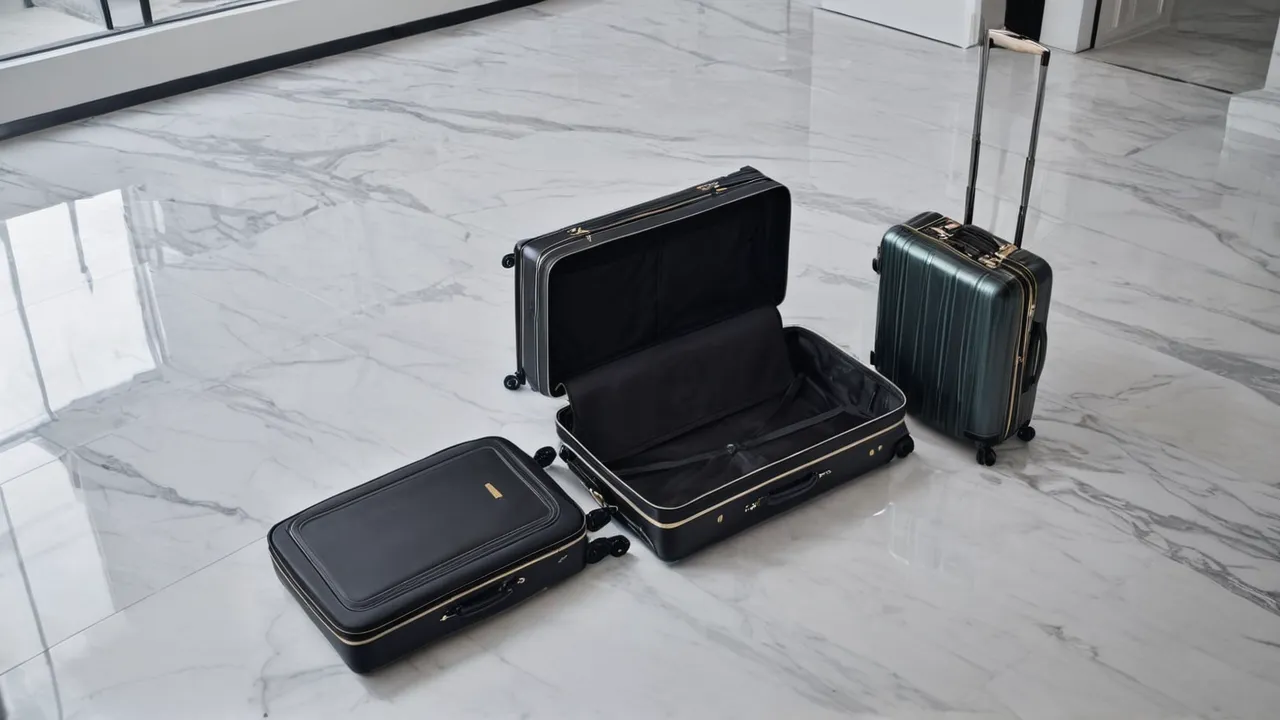
How to store luggage safely comes down to keeping it clean, completely dry and in a space with stable temperature and moderate humidity. A closet is usually best, a garage is acceptable with precautions, and an attic is the riskiest because of heat. Use a breathable cover and avoid sealed plastic that traps moisture.
Why Luggage Goes Bad in Storage
Luggage rarely fails from use alone. Time in the wrong place does damage too. Moisture lets mildew bloom on linings and foam padding, heat softens glues and stiffens plastic, and light fades and weakens fabric. Pests may move into dark, undisturbed bags. Crushed shapes can also become permanent when heavy items sit on soft cases for months.
Different spaces cause different problems, so a single rule such as always use a plastic cover or never store in sunlight does not hold. The better approach is to think about what each location does to a bag over a season, then prepare accordingly.
Prepare the Bag Before Storing
Preparation matters more than location. Empty the bag fully, including hidden pockets and the underside of lining flaps. Wipe the interior and exterior, then let it dry thoroughly with the lid open for a full day or more, longer in humid weather. A bag that feels dry on the surface can still hold moisture in padding.
Remove removable batteries from any smart luggage, and take out loose tags and straps. Stuff a soft bag with acid-free tissue or clean towels to hold its shape. Slide small bags inside larger ones so you use space efficiently, but leave zippers open a few inches for airflow. Keep the handle retracted and the wheels clean.
A step summary
- Empty every pocket, wipe the inside and outside and let the bag dry fully with the lid open.
- Remove batteries from smart luggage and take off loose tags and straps.
- Stuff soft bags with clean towels or acid-free tissue, and keep zippers open a few inches.
- Choose the closet first, a shelf in the garage second and an insulated attic last.
- Add a moisture absorber if the room is humid, and replace it on the product’s schedule.
- Check the bag every season.
For humidity, the EPA suggests keeping indoor humidity below about 60 percent, ideally between 30 and 50 percent. A small hygrometer from a hardware store shows where a closet or garage stands, and it takes the guesswork out of whether an absorber is needed. If the reading stays above that range, run a dehumidifier or choose another room.
Safety When You Find Mold
Wear a mask and gloves when removing mold, and keep damp suitcases away from living spaces and other fabrics. Work outdoors or in a ventilated area, avoid brushing in ways that spread spores into the air, and do not mix cleaning products. If you have asthma or other breathing concerns, or the growth covers a large area, ask a professional cleaner. Follow the care instructions for the bag and use mild cleaners. Heavily affected foam or lining may not be recoverable, and discarding the bag is a sensible choice.
Where to Keep It: Three Scenarios
The Closet
A bedroom or hallway closet is generally the best place for luggage. It stays within the temperature range of the house, receives little light and has moderate humidity. Stand the bags upright, or lay them flat if the shelf allows, with nothing heavy on top. Leave a small gap between the bag and the wall for air movement.
Closet shelves also keep bags out of the way of foot traffic, which prevents scuffs, and they make it easy to see what you own before a trip. The main risk in a closet is forgotten damp items. A bag packed away still damp from a rainy trip will stay damp in a sealed closet. Add a moisture absorber on the shelf if your climate is humid, and check the bags once each season.
The Garage
Garages swing between cold and hot, and humidity can run high, especially in coastal or damp climates. Concrete floors draw moisture, and bags set directly on the floor wick it upward. Store luggage on a shelf or a rack off the ground and away from exterior walls and doors.
Protect bags from dust and pests with a breathable cover or an old cotton sheet. Avoid sealed plastic bags, which trap moisture. Keep luggage away from cleaning chemicals, gasoline, paint and tools, because fumes and spills can stain or weaken materials. Check bags for chewed edges or droppings, and shake them out before your next trip. If you live somewhere with large seasonal humidity swings, a small sachet of silica gel or a moisture absorber tucked into each bag helps, as long as you replace it on the schedule the product states. Keep any absorber in a pouch so it cannot spill inside the lining.
The Attic
An attic is usually the harshest option. Summer heat can soften adhesives, warp shells and make rubber and glue brittle. Winter cold can stiffen plastic, and the wide temperature swings stress seams. If an attic is the only space you have, choose an insulated and vented one, place bags in the cooler shaded areas and inspect them regularly. For items you want to keep long term, such as the pieces from the travel luggage set you invested in, a closet is the better choice.
Packing Away Sets and Odd Shapes
Matched sets store neatly because they nest, but nesting hides moisture. Pull the bags apart every time you check them, and never leave a small bag zipped inside a large one for a full year. Hard shells can be stacked if the top case is light, with a folded towel between layers to prevent scuffing. Soft duffels and backpacks should never sit under anything heavy, since crushed frames and foam rarely recover.
Garment bags and executive cases with structured panels are best hung or stood upright. A bag stored on its side for months can develop a permanent bend along the zipper line. Store the telescoping handle fully retracted and wheels free of any pressure.
Covers, Light and Position
Sources disagree on covers and sun. A simple way to resolve this is to follow the space. In a bright room, use a breathable fabric cover so sunlight does not fade fabric. In a dark closet, a cover is optional, mostly for dust. Never use sealed plastic for long storage unless the bag is bone dry and you include a moisture absorber. Do not leave luggage in a car trunk or near a window for long periods.
Nesting bags saves space, but do not compress soft shells or leave heavy objects on shells. Wheels should not bear weight for months, so stand bags on their base, or on their sides if the case design allows.
A seasonal routine
Pick two dates a year, such as the change of clocks, and treat them as bag checks. Take each bag down, open it fully and smell the interior. Look at seams and zipper tapes for spotting or a powdery film. Roll the wheels, extend and retract the handle, and work each zipper along its full length so lubricant redistributes and parts do not seize. Refresh the moisture absorber, replace the tissue stuffing if it feels damp and return the bag. Five minutes per bag is enough, and a problem caught in spring is far cheaper than one found at the departure gate.
Who Should Store Which Way
Choose the closet if you have space and want the longest bag life. Choose the garage if you must, with a shelf, a breathable cover and a seasonal check. Choose the attic only if it is insulated and ventilated, and expect more wear. Skip storage in a damp basement without a dehumidifier. For more bag guidance, see our luggage section, and see how we think about long-term durability on the how we review page.
When you take a bag out of storage for a trip, give it a short refresh. Air it for a few hours, wipe the lining, extend and retract the handle, run each zipper, and spin the wheels. A bag that sat for months deserves the same pre-trip check as any other, and a sniff check is the quickest way to find a hidden problem before you pack.
Frequently Asked Questions
Where is the best place to store luggage?
A bedroom or hallway closet is usually best because it stays near house temperature, receives little light and has moderate humidity. A garage shelf with a breathable cover works with precautions, while an attic is the riskiest because of heat and wide temperature swings.
How do I keep luggage from getting moldy in storage?
Empty and clean the bag, then let it dry fully with the lid open before storing it. Use a breathable cover rather than sealed plastic, keep zippers open slightly, add a moisture absorber in humid rooms and check the bag every season.
Is it safe to clean mold off a suitcase?
For a small patch, work outdoors or in a ventilated area, wear a mask and gloves, avoid spreading spores and do not mix cleaners. Ask a professional if the growth is large or you have breathing concerns, and consider discarding a bag with affected foam or lining.
Final Thoughts
The best luggage storage is clean, dry, dark enough and stable in temperature. Prepare the bag carefully, pick a space that matches its needs, avoid sealed plastic and inspect the bag every season. If you find mold, take the safety steps seriously and consider replacement when the lining or foam is affected.
Related buying guides
- TSA Approved Luggage Locks: What They Do and Do Not Do
- TSA Lock vs Zipper Cable Tie: Which Secures a Bag Better
- Underseat Luggage Guide: Dimensions and Fit Checks
About the author

The BuyOnceChoice Editorial Team researches durable products worth buying once. Our guides compare published specifications, warranty terms, expert review consensus, and verified owner feedback. We do not conduct our own product trials. See How We Review and our Editorial Policy for our standards.