Luggage Warranty Checklist: Questions Before You Buy
Warranty headlines hide the exclusions. Use this printable question list to read the fine print on parts, airline damage, proof of purchase and shipping.
 By BuyOnceChoice Editorial Team
Updated November 16, 2026
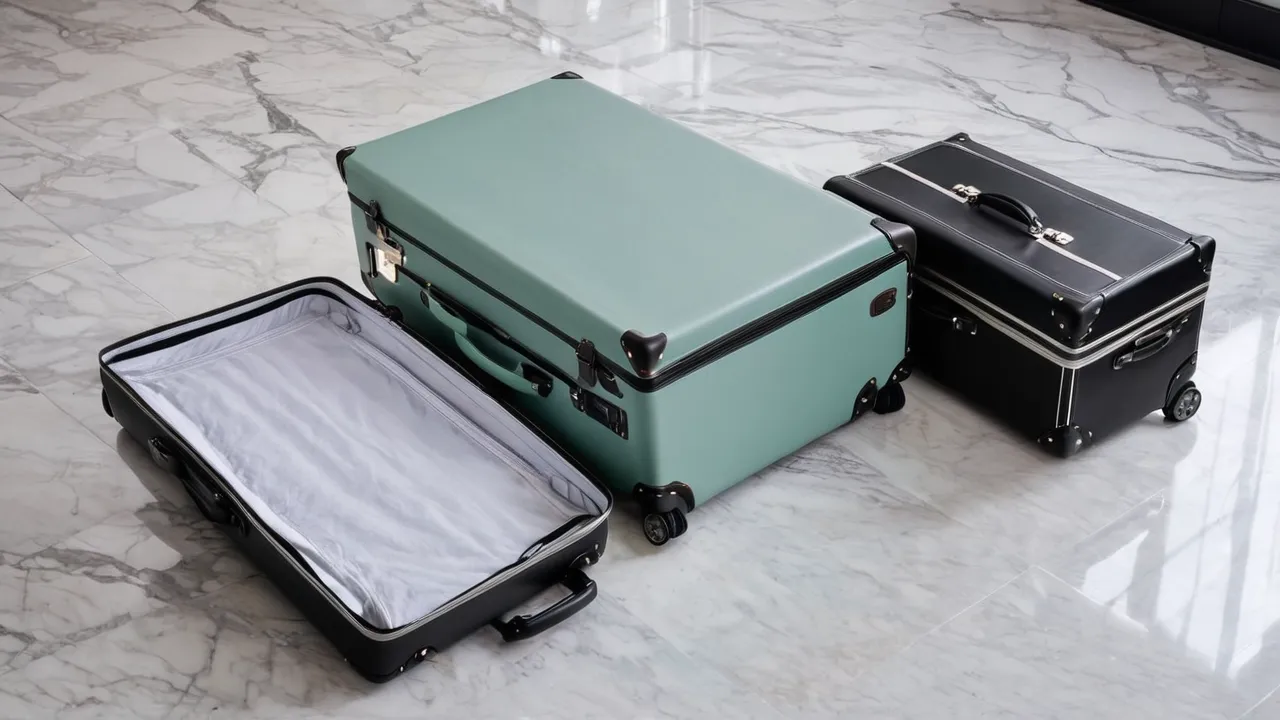
A luggage warranty checklist is a set of questions you answer from the warranty text before you buy: what is covered, what is excluded, who pays for shipping, and what happens if an airline damages the bag. Brands advertise long coverage in headlines, but the exclusions decide whether the promise helps you. Print the list below and compare two or three bags with it.
Why Headlines Mislead
Words like lifetime or limited lifetime sound generous, but they rarely mean what shoppers imagine. A lifetime warranty usually refers to the product’s expected service life as the brand defines it, not your own lifetime, and it covers defects in materials and workmanship, not general wear. The warranty’s real value sits in its exclusions and claim process.
Competitor roundups often mention a few exclusions, such as airline damage or normal wear, but they seldom collect the questions in one place. Reading the full text takes ten minutes and may save a costly surprise. Look for the warranty on the brand’s website, usually in a support or policy section, and copy the text before you buy in case it changes.
The Core Coverage Questions
- What parts are covered: zippers, wheels, handles, shell, lining, stitching, locks?
- Is the coverage for defects only, or does it include damage from ordinary use?
- How long does each part stay covered? Some brands give different periods for the shell and for moving parts.
- Does the warranty apply to the original buyer only, or can it transfer?
- Is the warranty tied to a specific seller, such as the brand’s own site, or does it cover purchases from third-party retailers?
- Does registration or a receipt count as proof of purchase?
Write the answers beside each bag you compare. If the warranty does not mention wheels or zippers by name, treat those parts as less likely to be covered.
The Exclusions to Look For
Exclusions are where warranties differ most. Scan the text for these phrases:
- Normal wear and tear, including scuffs, scratches and fading.
- Airline or carrier damage, which many brands do not cover.
- Misuse, overloading or exceeding weight limits.
- Damage from unauthorized repairs.
- Cosmetic damage that does not affect function.
- Items bought used or from unauthorized sellers.
- Lost, stolen or missing contents.
An exclusion is not a reason to reject a bag, because every warranty has some. The question is whether the exclusions leave coverage for the problems you expect, such as a failing wheel or a split seam.
Airline Damage and the Warranty Gap
Many luggage failures happen in transit, and many warranties exclude them. Airlines have their own claim process and liability rules, which differ by carrier and route. If an airline damages your bag, you generally need to report the damage promptly, often before you leave the airport or within a short window, and keep the baggage tag and photos. Our luggage set category includes sets where brands describe how they handle such cases.
A few brands cover damage by repairing it for a fee or offering a discount on a replacement. If you check bags often, a brand that has a clear process for transit damage may serve you better than one that excludes it. Ask customer support what documents they require and how long they take.
Repair, Replacement or Refund
The remedy matters as much as the coverage. Ask which of these a brand offers:
- Repair: the brand fixes the bag, perhaps at its own center.
- Part replacement: the brand supplies a wheel, handle or zipper.
- Replacement: the brand sends a new bag, sometimes a different model if yours is discontinued.
- Credit or discount: the brand offers a voucher toward a new bag.
Repair and part replacement keep a bag in service longer. Full replacement is easy but may reset the warranty period or send you a model that differs from the original. Credit gives you the least control. Check what happens if the model is out of production, since this is common after a few years.
Claim Logistics
A warranty is only as good as the claim process. Questions to ask:
- How do I file a claim: online form, email or phone?
- What documents do I need: receipt, photos, serial number?
- Who pays for shipping to and from the repair center?
- How long does a repair typically take, and is a loaner offered?
- Is there a fee for processing or return shipping?
- Do I need to remove contents and clean the bag?
If a brand will not answer these questions before purchase, assume the process is harder than advertised. Our best travel luggage set roundup is a good place to compare brands, and our how we review page explains how we treat warranty claims.
Printable One-Page Version
Copy this list onto a card and check each line for every bag.
- Coverage period for shell, wheels, handle, zipper.
- Parts named in the warranty.
- Exclusions, especially airline damage and wear.
- Proof of purchase needed.
- Seller restrictions.
- Remedy: repair, part, replacement or credit.
- Shipping cost and who pays.
- Typical turnaround time.
- Contact method and a named support page.
- What happens if the model is discontinued.
Mark each item as clear, vague or missing. A bag with mostly clear answers deserves more trust than a heavily advertised one with missing answers.
Reading the warranty against your habits
Match the warranty to how you travel. If you check bags on most trips, the airline damage exclusion matters more than almost any other line. If you carry on only, wheel and handle coverage is the key, since those parts wear with every walk through a terminal. If you pack heavy, look for language about overloading, because some warranties void coverage for bags beyond a stated weight. If you buy during sales, confirm that the coverage applies to discounted purchases and to the specific retailer you use.
A short example of reading the fine print
Imagine two bags. The first advertises a long warranty but excludes wheels, zippers and any damage that occurs while traveling. The second advertises a shorter period but names wheels, handles and zippers as covered and describes a free repair process. On paper the first looks better, yet in practice the second covers the parts most likely to fail. This is why comparing coverage by part, not by headline, gives a truer picture.
Also look at what the brand asks of you. Some require registration within a short period after purchase. Some require you to ship the bag at your own cost. Some ask for a clean, empty bag. None of these requirements is unreasonable, but you should know them in advance, and a brand that lists them on a support page is easier to trust than one that hides them in a general policy.
Scoring the checklist
Give each line a score of two for clear, one for vague and zero for missing. Add the scores for each bag. With about ten lines on the printable list, a total of sixteen or more suggests a warranty that explains itself, while a total under ten suggests you will have to guess at claim time. This is not a scientific rating, only a way to compare candidates on the same footing and to see where a brand is vague.
Weight the lines by how you travel. For frequent checked-bag flyers, double the airline damage and wheel lines. For carry-on travelers, double the wheel and handle lines. For gift buyers, double the transfer and proof lines. Tie-breakers are the clear named support page and a stated turnaround time.
Who Should Choose Which
Choose a bag with named parts, clear exclusions and a stated claim process if you travel often and want to keep the bag for years. Choose a basic warranty if you buy cheap bags and treat them as replaceable. Skip bags whose warranties are only a sentence long, or that require you to contact an unlisted address to learn the terms.
One more habit helps: photograph the warranty page and the product page on the day you buy, and save them with your receipt. Brands update policies, and a dated copy shows what applied when you purchased. If a claim ever runs into a disagreement, those images and your order confirmation are the evidence that matters.
Frequently Asked Questions
What should I check in a luggage warranty before buying?
Check what parts are covered, what is excluded, how long each part is covered, who pays shipping, what proof of purchase is required and how airline damage is treated. Copy the warranty text before you buy in case it changes.
Does a luggage warranty cover airline damage?
Often not. Many brands exclude carrier damage and expect you to claim from the airline, though a few offer paid repairs or discounts. Report damage to the airline promptly, keep photos and the baggage tag, and ask the brand about its process.
What does limited lifetime warranty mean on luggage?
It usually means coverage for defects in materials and workmanship for the product’s service life as the brand defines it, with exclusions such as wear, misuse and airline damage. Read the definition and the exclusion list in the warranty text.
Final Thoughts
A warranty is a document, not a feeling. Read the coverage, exclusions, remedy and claim steps, then compare using one list. The brand that explains its process plainly is usually the one that will honor it.
Related buying guides
- Luggage Zipper Guide: What to Check Before Buying
- How to Maintain Luggage Wheels and Telescoping Handles
- Packing Cubes vs Compression Cubes: Which to Buy
About the author

The BuyOnceChoice Editorial Team researches durable products worth buying once. Our guides compare published specifications, warranty terms, expert review consensus, and verified owner feedback. We do not conduct our own product trials. See How We Review and our Editorial Policy for our standards.