How to Maintain Luggage Wheels and Telescoping Handles
Most wheel and handle failures start with hair, grit and loose screws. A quick routine after each trip keeps wheels rolling and handles locking longer.
 By BuyOnceChoice Editorial Team
Updated November 16, 2026
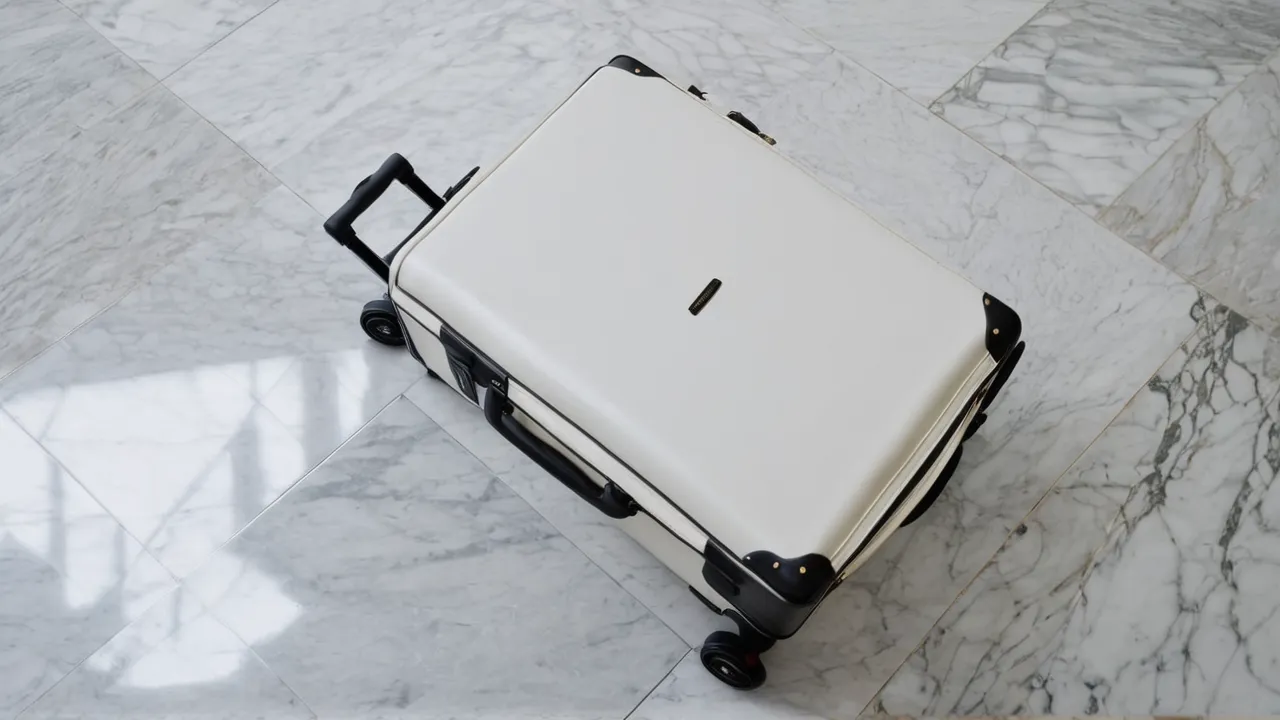
To maintain luggage wheels, clear hair and debris from the axle, wipe the housing, add a small amount of silicone lubricant, tighten any visible screws and check that the handle locks at each height. Doing this after every few trips takes about five minutes and prevents most of the grinding, wobbling and sticking owners complain about.
Why Wheels and Handles Wear Out
Wheels pick up what the floor leaves behind. Hair, thread and fine grit wrap around axles and work into bearings. Over time, that debris adds friction, and a bag that once rolled quietly starts to drag, squeak or pull to one side. Salt from winter roads and sand from beaches speed the damage.
Handles fail from stress and dirt. Telescoping tubes slide inside each other, and grit between them scratches the surfaces. Repeated yanking and overloading loosens the locking buttons, and a handle that does not hold height wobbles under the weight of a daypack hung on it.
Maintenance cannot fix poor parts, but it extends the life of decent ones and often reveals a problem while a repair is still cheap.
The Five Minute Routine
Do this on a flat surface with good light, after a trip and before storage.
- Tip the bag on its side and spin each wheel by hand. Note any scraping, sticking or wobble.
- Pull out visible hair and threads with tweezers or a small hook. A sewing seam ripper works well for wrapped thread.
- Wipe the wheel and housing with a damp cloth, then dry them.
- Apply a small amount of silicone lubricant where the wheel meets the axle and at the swivel joint. Wipe away excess, since extra oil collects grit.
- Check every visible screw or rivet. Tighten loose screws gently with the right driver.
- Extend the handle fully, then retract it. Check each locking height and wiggle the handle to feel play.
Our luggage set category covers bags with serviceable parts, which makes this routine more effective.
Lubricant Choices
Use a silicone-based spray or a dedicated dry lubricant for plastics. Avoid heavy grease or general-purpose oil on plastic wheels, because some oils attract dust and may degrade certain plastics. Keep lubricant away from fabric and the tread, which should stay grippy. Check the product label to confirm it is safe for plastics and rubber, and apply a little at a time. Never spray near an open flame, and ventilate the area.
Handle Care
Keep the tubes clean
Wipe the exposed tubes with a damp cloth after trips. Extend the handle and look at the lower sections, where grit builds. A light wipe of silicone on the tube lets sections glide, though keep lubricant away from the locking buttons if the manual says so.
Check the lock
Press the release button and feel whether the handle clicks into each position. A handle that sinks under pressure may have a worn catch. Do not force it. Report the problem to the manufacturer if it is under warranty, and compare the wobble you feel with the wider travel and luggage guides on our site.
Avoid overloading the handle
Do not hang heavy bags from the handle, which strains the locking mechanism. Use the top grip when lifting, and let the wheels carry weight when rolling.
Signs You Need More Than Maintenance
Some problems go beyond cleaning. A cracked wheel housing, a bent axle, a handle tube that has kinked or a missing tread all call for part replacement. Wheels that are riveted in may need a repair shop, while bolted wheels are easier to swap. Before ordering parts, identify how your wheels attach and what the maker offers. Check the warranty first, since defects in the first period may be covered. See how we weigh serviceability on our how we review page.
Storage Habits That Help
Store the bag upright or on its back, not on its wheels with a heavy load on top. Avoid hot attics and cars in summer, since heat can soften plastics and deform wheels. Empty the bag and extend the handle slightly if storage allows, then retract it again to relax springs. Keep a few tiny parts such as spare screws in a labeled bag.
Maintenance Calendar by Travel Frequency
How often you maintain depends on how you travel. A frequent flyer who rolls a bag through terminals weekly should run the routine after every trip, because debris accumulates quickly. A holiday traveler can do a full check twice a year, before the first trip of the season and after the last. A student who drags a case across campus and curbs should check wheel screws monthly, since constant jolts loosen fasteners.
After exposure to sand, mud or salt water, do an extra rinse. Wipe the wheels with a damp cloth, rinse off salt with plain water from a cloth rather than submerging the bag, and dry thoroughly before storage. Salt crystals left on metal parts cause corrosion over time, which is why coastal travelers see axle and screw problems sooner than inland ones.
Reading the Sounds Your Wheels Make
Sounds give early warning. A steady squeak usually means a dry axle or a plastic-on-plastic rub, and a drop of silicone often quiets it. A grinding sound suggests grit in a bearing or a flat spot on the tread. A clicking that repeats once per revolution points to a stone or debris stuck in the tread, or a cracked wheel. A rattle from the corner may be a loose screw or a housing that has pulled from the shell. Stop rolling a bag that grinds or clicks hard, since continued use can deform the wheel and turn a cheap fix into a replacement.
Keeping a Few Spare Parts
Keep a small kit: a screwdriver that matches your bag’s screws, tweezers, a cloth, silicone lubricant and a few spare screws if the manufacturer sells them. Store the kit in a pouch inside the case. Some makers sell replacement wheel sets with instructions, and having one before a long trip can save a vacation. Note the model name from the tag inside the bag, since part orders depend on it.
Cleaning the Rest of the Bag While You Are There
Since the bag is already on its side, wipe the shell and the base. Dirt on the base rubs into the shell and can scratch it, and moisture trapped under a rubber foot encourages corrosion on nearby screws. Open the main compartment and shake out grit from the bottom. Check the area around the wheel wells inside, because loose screws sometimes show up there as small metal bits or a gap in the lining.
If the bag has a wheel guard or a rubber bumper, check that it is still seated. Bumpers cushion curb hits and protect the housing, and a missing one makes the next knock harder on the shell. Replacement bumpers are usually cheap if the maker sells them.
Interval Summary
| Task | When | Time needed |
|---|---|---|
| Spin each wheel, pull hair and thread | After every trip | About two minutes |
| Wipe wheels, housing and handle tubes | After every trip | About two minutes |
| Tighten visible screws | Monthly if rolled daily, otherwise before each season | About two minutes |
| Light silicone on axle and swivel | When squeaking or twice a year | About three minutes |
| Handle lock and wobble check | Before each trip | About one minute |
| Full inspection with spare screws and bumpers | Twice a year | About ten minutes |
Treat the times as rough estimates. If a wheel still grinds after cleaning and a drop of lubricant, stop and plan a replacement instead of repeating the routine.
Who Should Choose Which
Do the full routine if you fly often or roll over rough surfaces. A lighter version, with a quick wipe and a spin check, is enough for occasional travelers. Skip lubricating if you cannot confirm the product is safe for your wheel material, and ask the maker. If a bag has sealed, non-serviceable wheels, focus on cleaning and handle care instead.
Keep a short written log of what you do and when, such as a note in your phone with the date of the last lubrication and the last screw check. A log turns vague good intentions into a routine and makes it easier to spot a part that needs attention more often than the others.
Frequently Asked Questions
How do I stop my suitcase wheels from squeaking?
Clear hair and thread from the axle, wipe the housing, then apply a small amount of silicone-based lubricant where the wheel meets the axle and at the swivel. Wipe away the excess. If the squeak continues, the axle may be dry or worn and need replacement.
What lubricant is safe for luggage wheels?
A silicone-based spray or a dedicated dry lubricant for plastics is generally safe, but check the product label and the bag’s manual. Avoid heavy grease or general-purpose oil, which attracts dust, and keep lubricant off fabric and tread. When in doubt, ask the maker before you spray.
How often should I maintain luggage wheels and handles?
A quick routine after each trip suits frequent flyers, while occasional travelers can do a full check twice a year. Check the wheel screws monthly if you roll the bag daily, and always check the handle lock before a trip.
Final Thoughts
Five minutes after a trip pays back later. Clear debris, lubricate lightly, tighten screws and check the handle lock. Replace parts when damage appears rather than waiting for failure at the airport.
Related buying guides
- Packing Cubes vs Compression Cubes: Which to Buy
- Polycarbonate vs ABS vs Aluminum Luggage Shells
- Pre-Trip Luggage Checklist: Weigh, Measure, Inspect
About the author

The BuyOnceChoice Editorial Team researches durable products worth buying once. Our guides compare published specifications, warranty terms, expert review consensus, and verified owner feedback. We do not conduct our own product trials. See How We Review and our Editorial Policy for our standards.