Luggage Zipper Guide: What to Check Before Buying
Zipper type is only part of the story. Learn tooth size numbers, what makes a slider last and why expansion zippers are the weak link on many bags.
 By BuyOnceChoice Editorial Team
Updated November 16, 2026
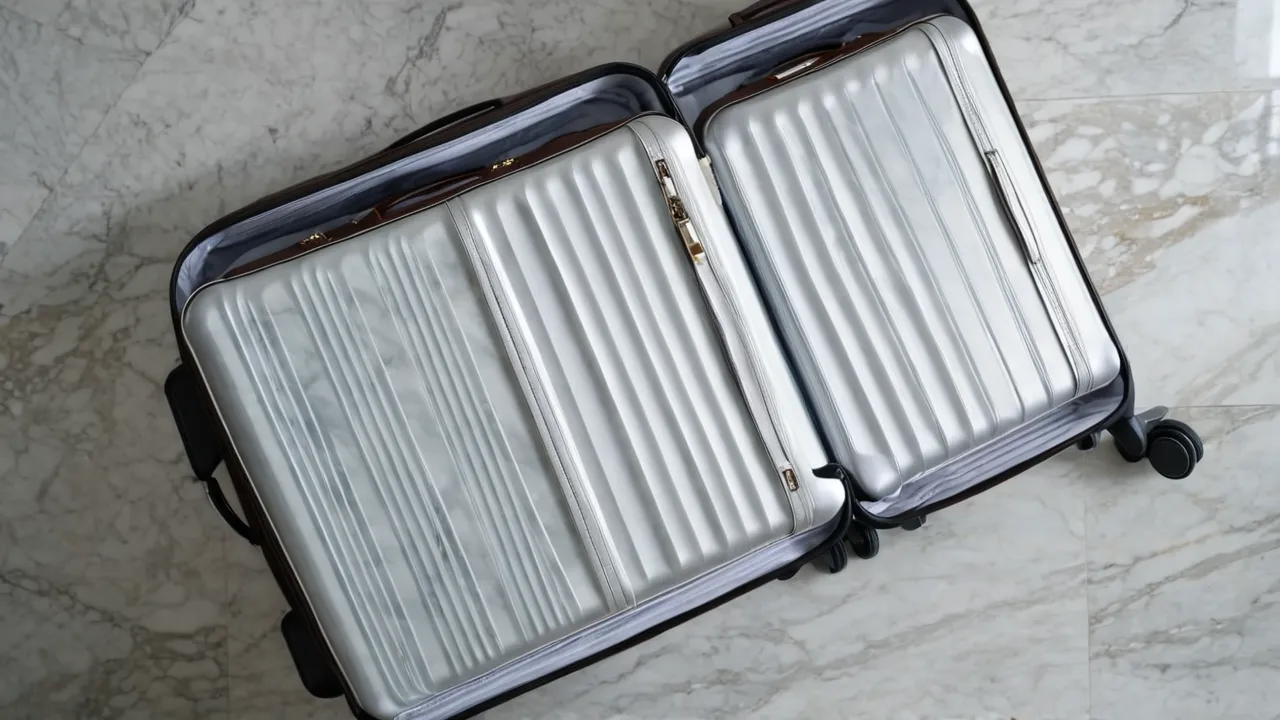
Luggage zipper types are usually sorted into coil, chain and a few specialty formats, but the practical differences come from tooth size, slider build and how the zipper is used. A larger, well-made zipper with a sturdy slider outlasts a smaller one regardless of type. Expansion zippers deserve extra caution because they handle stress that the main closure does not.
The Main Types in Plain Terms
Most bags use one of three formats.
- Coil zippers use a spiral of nylon or polyester filament stitched to tape. They are flexible and quiet.
- Chain or molded tooth zippers use separate plastic or metal teeth. They are firmer and often used on heavier bags.
- Water-resistant zippers add a coating or a rubbery backing that helps shed rain. They are stiffer and require more force to open.
A few bags use reversed coil zippers, where the coil sits on the inside of the tape so the tape’s smooth face shows outside. This looks tidy and resists snagging. Each format is acceptable. The more useful questions concern size, slider and use.
Tooth Size Numbers
Zippers carry a size number, such as 5, 8 or 10. The number refers to the approximate width of the closed teeth in millimeters. A larger number indicates a wider, stronger zipper. On luggage, smaller sizes appear on carry-ons and pockets, and bigger sizes appear on large checked cases and main compartments.
Size does not tell the whole story, but it helps when comparing similar bags. If a product listing states a zipper size, compare it to the bag’s capacity. A very large case with a small zipper under heavy load is likely to fail sooner. If the listing does not state a size, look at photos: thicker teeth and a larger pull tab suggest a bigger zipper.
What Makes a Slider Last
The slider is the moving part that does most of the work. It wears with use, and when it wears, the zipper separates behind it. Consider these features:
- Material: metal bodies resist wear better than thin plastic ones.
- Finish: a smooth, even finish suggests careful manufacturing.
- Pull tab: a firm tab lets you apply force along the track instead of sideways.
- Lock: some sliders have an automatic lock that prevents them from drifting open.
- Double pull: two sliders let you work from either end and share wear.
If a zipper keeps opening on its own, the slider is likely worn. Replacing a slider is cheaper than replacing a zipper, so find out if the brand or a repair shop offers this service.
Expansion Zipper Risks
An expansion zipper adds capacity by opening an extra fold of fabric or shell. It usually runs around the bag in a long line, which puts it under stress from the contents when expanded. The risk comes from overfilling: when you pack beyond the zipper’s design, the teeth are forced apart and the slider fights to close them.
If you rarely use the expansion feature, you carry a failure point for no benefit. If you do use it, pack evenly, avoid filling the expansion area with hard objects and check that the airline’s size limit includes the expanded dimensions. Browse our luggage sets category and the best softside luggage set roundup to see how expandable and fixed-depth bags differ.
Where to Look on a Bag
Check these places when judging a bag’s zippers:
- The corners, where the zipper turns and stress concentrates.
- The ends, where tape is stitched and can fray.
- The pocket zippers, which often use smaller sizes and fail first.
- The garage, a small covered area where the slider rests when closed, which protects it.
- The tape width and stitching, which should be straight and tight.
In a store, run each zipper fully and listen for catching. Open the main zipper slowly while the bag is half packed, since zippers behave differently under tension.
Zipper weak points by bag zone
Main compartment zippers carry the most load and show wear along the sides and curves. Exterior pocket zippers are smaller and take impacts when you drop the bag. Lid zippers on backpack-style luggage can be pulled sideways when the bag is stuffed. Wherever a zipper changes direction, such as at the corner of a clamshell opening, the teeth are forced to bend, so these corners fail more often than straight runs. When you inspect a bag, spend extra time on corners and on the ends of each zipper where it meets a stop.
Specialty zippers you may meet
Some bags use lockable zippers whose sliders have a small hole for a padlock or a built-in combination lock. These are useful for deterring casual access, but a determined thief can still cut the fabric. Some use water-resistant zippers with a rubberized coating, and those need more force and sometimes a dab of lubricant to stay smooth. Some hard-shell cases use a zippered frame in place of a latch, so the zipper is the main seal and the whole shell depends on it. In those cases, zipper quality is the key durability feature.
Packing Habits That Protect Zippers
Zippers last longer if you reduce the force on them. Close the bag on a flat surface and ease the contents into place before pulling the slider. Do not sit on a bag to close it, since this strains the zipper and can crack the shell. Pull the slider in a smooth line instead of yanking at an angle. Keep the track clean by brushing out sand or lint, which wears teeth over time. If the zipper becomes stiff, rub a pencil tip or a small amount of wax along the teeth.
Reading the zipper details on a listing
When a listing shows a close-up of the zipper pull, look for stamped markings. Many zipper makers stamp their name on the slider, and a stamped slider tells you the bag uses a recognized component rather than an unmarked generic part. Also check whether photos show a zipper garage, a flap that covers the slider when closed. It keeps dirt out and reduces wear. Reviews that mention a zipper splitting within the first few trips are more informative than general praise, and a brand that replies with a repair option shows the zipper is considered serviceable.
Cleaning and maintenance in brief
A soft brush and a damp cloth are enough for most zippers. After a beach trip, rinse sand from the track and let it dry fully before you close the bag. A little wax or pencil graphite along the teeth reduces friction, and silicone spray works too, but keep it off fabric. If a slider starts to open behind you, a careful squeeze on the slider body can restore grip, though some bags are better handled by a repair shop.
A worked example: matching zipper to load
Imagine two bags of the same style. One is a carry-on with a size 5 coil zipper on the main compartment, and the other is a large checked case with a size 10 chain zipper. Packed to similar fullness, the larger case puts far more outward force on its zipper because it holds more weight. The size 10 zipper spreads that force across wider teeth and a sturdier slider, so the mismatch is not as large as it looks. A large case with a size 5 zipper is the mismatch to avoid.
Verdict by buyer type: a frequent checked-bag traveler should put slider build and tooth size first; a carry-on flyer who packs light can accept a smaller zipper if it runs smoothly; a traveler who overpacks should choose a bag with a larger zipper and avoid expansion.
Who Should Choose Which
Choose coil zippers on softside bags where flexibility matters, and chain zippers on heavy bags where rigidity helps. Choose a bag with a double pull and a locking slider if you carry valuables. Choose a non-expandable bag if you never need the extra room. Skip any large bag with a visibly small zipper or a thin plastic slider. For how we treat construction claims, see our how we review page.
Also check what the maker says about zipper repair. A brand that lists slider replacement as a service or sells matching sliders treats the zipper as serviceable, while a brand that replaces only whole bags leaves you with fewer options once a slider wears.
Frequently Asked Questions
What is the difference between coil and chain luggage zippers?
Coil zippers use a flexible spiral of nylon or polyester and run quietly, which suits softside bags. Chain or molded tooth zippers use separate teeth and feel firmer, which suits heavy bags. Tooth size and slider build matter more than the type.
What size zipper is best for a suitcase?
Larger numbers mean wider teeth. Many carry-ons use smaller sizes and large checked cases use bigger ones, but the stated size is only part of the picture. Match the size to the bag’s capacity and check the slider, pull and stitching.
Why do suitcase zippers split open?
Usually the slider is worn or the bag is overpacked, so the teeth are forced apart behind the slider. Pack within capacity, close the bag on a flat surface and replace a worn slider rather than the whole zipper if possible.
Final Thoughts
Look past the zipper type and judge the size, slider and use. Larger teeth, metal sliders and careful packing add years to a bag’s life, and expansion zippers deserve respect. If you can run each zipper fully before you buy, you will learn more than any product description can say.
Related buying guides
- How to Maintain Luggage Wheels and Telescoping Handles
- Packing Cubes vs Compression Cubes: Which to Buy
- Polycarbonate vs ABS vs Aluminum Luggage Shells
About the author

The BuyOnceChoice Editorial Team researches durable products worth buying once. Our guides compare published specifications, warranty terms, expert review consensus, and verified owner feedback. We do not conduct our own product trials. See How We Review and our Editorial Policy for our standards.