Underseat Luggage Guide: Dimensions and Fit Checks
Under-seat space is shaped by aircraft structure, not a single rule. See where room disappears and why a soft, squarish bag beats a rigid case.
 By BuyOnceChoice Editorial Team
Updated November 16, 2026
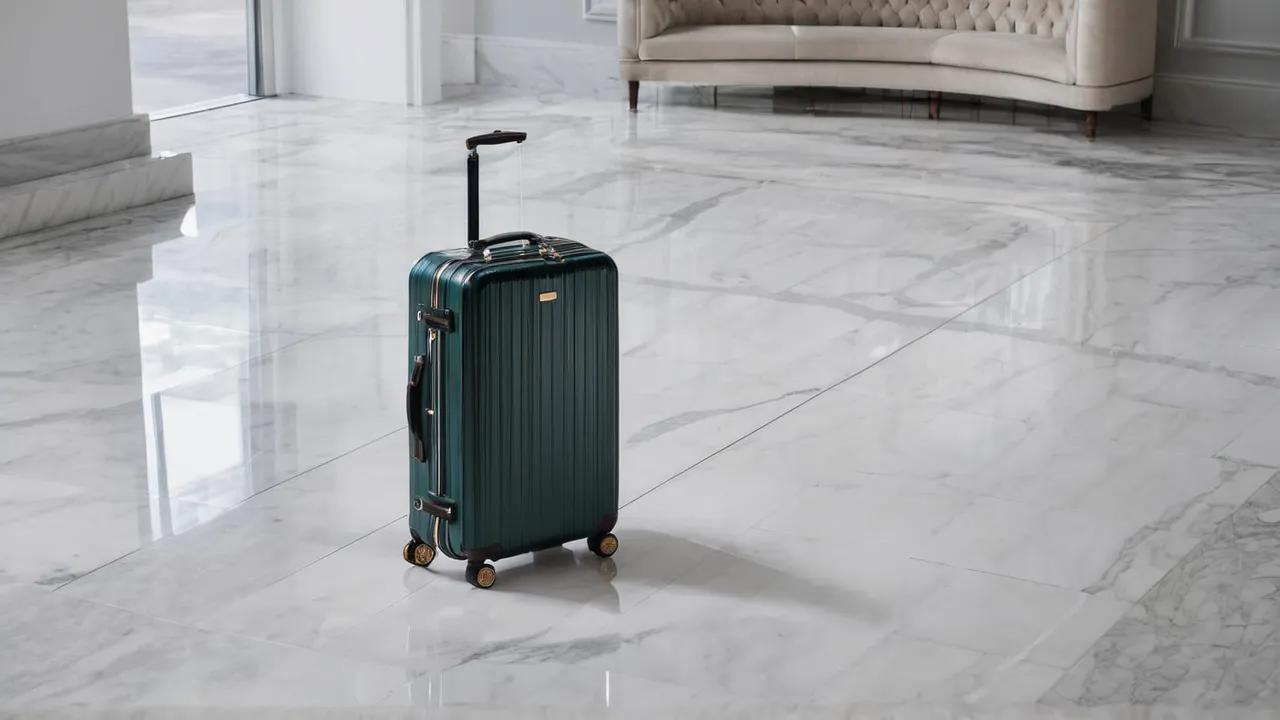
Underseat luggage has no single standard size, because the space under an airplane seat depends on the aircraft, the row and the seat. Airlines publish a maximum dimension for personal items, and many people treat it as exact, but the real opening is often smaller than the number. A soft, squarish bag that can compress is the safest choice.
Why the Space Under Your Seat Varies
An airplane seat sits on rails bolted to the floor. The seat frame has legs, crossbars and, on some seats, equipment boxes that house in-flight entertainment or power supplies. Each of these takes up a slice of the floor space. The opening you see from your aisle is not a clean rectangle.
Aircraft types also differ. A narrow-body regional jet has less floor depth than a wide-body, and the distance between the floor and the seat bottom changes by model and cabin layout. Exit rows, bulkhead rows and seats in front of an exit have no seat in front of them at all, so no under-seat storage exists. A bag that fits under one seat on one flight may not fit on the next, even with the same airline.
Where Room Is Lost
Look at the zones in the space beneath a seat:
- Front: the seat ahead has its support structure. Crossbars between the legs limit the height of the bag.
- Sides: seat legs and the aisle-side frame create narrow points.
- Back: the area near your feet is usually the widest part of the opening.
- Floor: seat tracks and wiring covers raise the floor in places.
- Equipment boxes: some rows have a box on one side of the floor that shrinks the width by a substantial margin.
Because of these constraints, a bag can be within the published maximum but still not fit, especially if it is rigid. A soft bag that can be pushed in at an angle goes where a hard-sided case cannot.
What Dimensions Airlines Publish
Airlines usually state a maximum height, width and depth for personal items, sometimes with a note that the item must fit under the seat in front of you. The numbers vary by carrier, and budget airlines often have smaller allowances than traditional ones. Because the size limit is tied to the fare, check the specific rule for your ticket, not the airline’s general page.
Treat the published number as the ceiling, and aim for a bag with slightly smaller measurements. Measure your bag with its straps and pockets in their normal position, including any front pocket bulge, not just the shell’s nominal size. If a listing says a bag is designed to fit under the seat, read that as a design intent, not a guarantee for every airline.
Soft Versus Hard Bags
A soft duffel or tote can flex to fit a bumpy opening. A rigid case holds its shape, which is useful for protection but poor for squeezing. If you carry a hard case as a personal item, choose a flat one with a low profile, since depth is usually the tightest dimension.
Other design details matter:
- Rounded corners slide into the opening more easily than sharp ones.
- Lightweight frames help you lift the bag into position.
- Wheels add height and stick out at the bottom, so a wheeled underseat bag can be harder to push in.
- A sloping back panel can follow the angle of the seat support.
- External pockets bulge when stuffed and add depth you may not notice.
Packing to protect legroom
A bag that is full to the zipper bulges at the sides and pushes toward your feet. If you fill it to about four fifths of its capacity, it deforms more easily and slides in with less effort. Place stiff items, like a laptop in a sleeve, against the back panel so the bag keeps a flat face toward your legs. Avoid putting a water bottle in an outer pocket that sticks out, since it adds depth. For long flights, choose to bring less in the bag and keep things you want in the seat pocket.
How to Choose a Bag That Squeezes
- Check your airline’s personal item dimensions for your fare.
- Choose a bag at least an inch or two under each limit, especially on depth.
- Prefer soft sides with minimal rigid structure.
- Look for a design without a frame or with a flexible one.
- Pack it flat and avoid stuffing hard objects in the corners.
If you travel on several airlines, buy for the smallest limit and enjoy flexibility. A bag that fits on the strictest carrier will fit everywhere else.
Reading the seat map and aircraft type
You can improve your odds before you reach the airport. Seat maps on airline sites often show where an equipment box sits, usually marked by a note on specific seats. If you want the most floor room, an aisle or window seat without a note is usually better than a middle seat with a power box nearby. Seats in the exit row and the first row after a bulkhead have no under-seat storage, so your personal item goes overhead for takeoff and landing. If you rely on having the bag at your feet, avoid those rows when you select seats.
What happens when a bag does not fit
If your bag will not go under the seat, a flight attendant may ask you to place it in an overhead bin, which is a nuisance only if the bins are full. On a full flight, the bag may go to the hold, and you may be charged if it exceeds personal item rules at the gate. Before that happens, take out the items you need and put them in a small pouch or your pockets. A foldable tote inside your bag gives you a backup container for a laptop and documents.
A worked fit check
Suppose an airline publishes a personal item limit of 18 by 14 by 8 inches, and your soft bag measures 17 by 13 by 7 inches when packed. Add the three numbers: 37 inches total against 40 allowed. It looks fine, but the depth margin is only one inch, and a front pocket stuffed with a bottle can add another inch. A bag that measures 17 by 13 by 6 inches leaves two inches of margin, which gives the soft sides room to flex into an irregular opening. This is the logic behind choosing a bag at least an inch or two under every limit, especially on depth. The numbers here are an example, not any airline’s rule.
Verdict by buyer type: a tall traveler should favor a slim shape; a traveler on small regional jets should favor a soft bag with minimal structure; a traveler with fragile contents should accept a structured case only after measuring the opening on their usual aircraft.
What to Put in the Underseat Bag
Items you may need in flight go here: a laptop or tablet, a charger, medications, a water bottle, headphones, a snack and a light layer. Keep documents in an easy-to-reach pocket. Do not rely on the overhead bin for these items, since you may be asked to move your carry-on to the hold. Put heavier items on the bottom of the bag so it sits flat, and avoid hard corners pointing toward your feet.
Remember that your bag takes your legroom. A deep bag may leave your feet squeezed. A flatter bag with the same volume leaves more space. If you are tall, choose a slim shape. Our backpack category includes slim packs that work as personal items, and the wider luggage sets section lists companion carry-ons that pair with them.
Who Should Choose Which
Choose a soft, squarish bag if you fly on many airlines and want the best odds of an easy fit. Choose a slim backpack if you want to keep your hands free and your legroom clear. Choose a structured case only if you need to protect fragile contents and you have measured the opening on your regular aircraft. Skip rigid, deep or wheeled personal items if you routinely fly small regional jets. For how we treat dimensional claims, read the how we review page.
Frequently Asked Questions
What size bag fits under an airplane seat?
There is no single size, because the space depends on the aircraft, the row and the seat. Check your airline’s personal item dimensions for your fare, aim at least an inch or two below each limit, and choose a soft, squarish bag that can compress.
Why does my personal item not fit under the seat even though it is within the limit?
The published number is a ceiling, and the real opening is often smaller because of seat legs, crossbars and equipment boxes. A rigid or overstuffed bag, or one with a bulging front pocket, may not fit even when the shell is within the limit.
Which seats have no under-seat storage?
Exit rows and the first row after a bulkhead have no seat in front of you, so your personal item goes overhead for takeoff and landing. Check the seat map and your airline’s notes if you want your bag at your feet.
Final Thoughts
Under-seat space is shaped by structure, not by a single number. Treat the published limit as a ceiling, pick a soft and slightly smaller bag, and measure it with its pockets and straps. A bag that squeezes in leaves your legroom and your fee intact.
Related buying guides
- What to Do When an Airline Damages Your Luggage
- Aluminum vs Polycarbonate Luggage: Worth the Premium?
- Business Travel Luggage: Suit Insert and Garment Bag Guide
About the author

The BuyOnceChoice Editorial Team researches durable products worth buying once. Our guides compare published specifications, warranty terms, expert review consensus, and verified owner feedback. We do not conduct our own product trials. See How We Review and our Editorial Policy for our standards.