Aluminum vs Polycarbonate Luggage: Worth the Premium?
Aluminum looks tough but weighs more, and polycarbonate flexes but can crack. See the weight math and the repair paths before choosing a hard shell.
 By BuyOnceChoice Editorial Team
Updated November 16, 2026
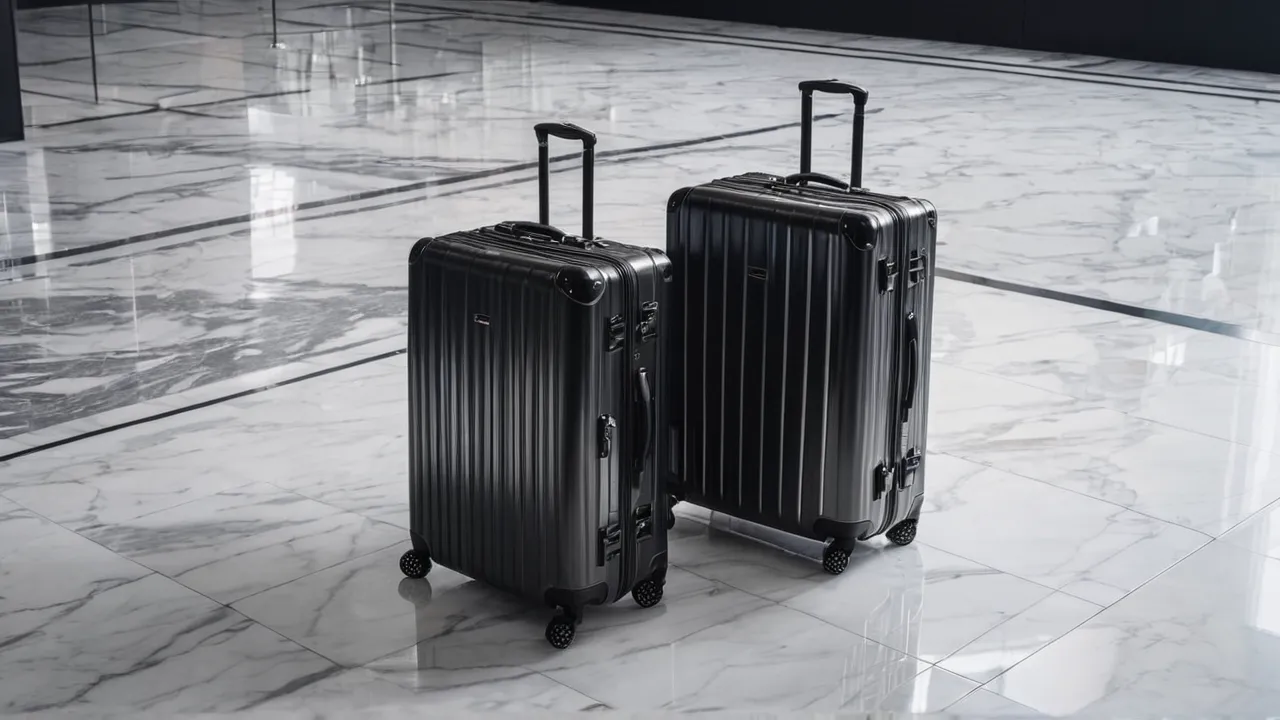
Aluminum luggage is heavier, dents instead of cracking and can often be straightened. Polycarbonate is lighter, flexes on impact and tends to crack at stress points. If you often travel near a 50 pound check-in limit, shell weight can decide the choice before durability does.
Why Shell Weight Affects Your Packing Budget
Many US airlines set a standard economy checked limit at 50 pounds, and many international carriers use 23 kilograms, which is about 50.7 pounds. Fees apply above those limits, and the limits vary by airline and fare, so always confirm with your carrier.
Your usable packing weight equals the limit minus the empty bag. Here is a worked example using placeholder weights, which you should replace with the manufacturer’s stated figure for the bag you are considering:
- Start with a 50 pound limit.
- Subtract the empty suitcase weight. If a polycarbonate case weighs 9 pounds, you have 41 pounds for contents.
- If an aluminum case weighs 14 pounds, you have 36 pounds for contents.
- The difference, 5 pounds, equals roughly several folded shirts and a pair of shoes.
The point is the method: weigh the shell, subtract and plan. Our luggage set category includes both materials, so compare stated weights, not guesses.
Do this arithmetic for your own habits, not just for the airline limit. Think about what you actually carry home. Souvenirs, a second pair of shoes and a bottle of something from a duty-free shop push the return trip heavier than the outbound one. If your outbound bag is already close to the limit, a heavy shell leaves no margin. If you routinely travel light, shell weight matters less, and durability can take priority. Also remember that carry-on limits are often based on size and sometimes weight, and a metal shell uses a large part of a tight carry-on allowance.
Two traveler examples
Traveler one usually packs about 40 pounds of contents. In the 9 pound polycarbonate case the total is 49 pounds, just under a 50 pound limit. In the 14 pound aluminum case the same contents weigh 54 pounds, so about 4 pounds must come out or an overweight fee applies. Traveler two packs about 30 pounds. Either case passes with room to spare, so the shell weight stops mattering and durability or looks can decide. Run this check with the stated empty weight of each bag you are considering, and keep a few pounds in reserve for the trip home.
Measure the real weight of your packed bag at home on a bathroom scale before you leave: stand on it holding the bag, then subtract your own weight. A bag that is 2 pounds under the limit at home often ends up over after a shopping stop.
How Each Shell Handles Impact
Polycarbonate is a thermoplastic that bends under impact and often springs back. This flexibility spreads shock and makes it resistant to dents. The trade-off is cracking when the shell is hit hard, especially in cold conditions or at corners and seams where stress concentrates.
Aluminum is a metal shell, usually a thin sheet formed into a case with ribbed or smooth panels. A hard knock tends to leave a dent instead of a crack, and the bag usually stays closed, though a bent frame can change that. The dent does not recover by itself, but the shell rarely splits.
Dent Repair vs Crack Repair
Repair paths differ, and they influence the long-term cost.
Aluminum dents
Light dents can often be pushed back by hand or with a rubber mallet from the inside. Severe creases cannot be fully flattened, but the bag usually remains functional. Aluminum shells also take on scratches and dings that many owners accept as character. A bent frame or sprung latch is the more serious damage, and a luggage repair shop may be able to realign it.
Polycarbonate cracks
Small cracks can be patched with adhesive made for plastics, and some owners add tape on the inside for reinforcement. Large cracks near wheels or handles weaken the structure, and these are hard to repair well. If a polycarbonate shell cracks, the usual outcome is a patch and a shortened life, or replacement.
What baggage handling does to each
Checked bags are stacked, dropped onto belts, squeezed between other cases and sometimes exposed to cold on the ramp. Polycarbonate is built to flex through that. Many owners report that a bag with a thin, rigid shell is the one that cracks, while a bag with a slightly softer, thicker shell survives. Aluminum takes the same abuse as a series of dents. Over many trips, dents on a metal bag accumulate and can bind the lid or twist the frame, so a shell that looks sturdy can still stop closing properly if the frame bends.
Other differences that matter
- Temperature feel: aluminum cases get cold or hot to the touch outside.
- Surface wear: polycarbonate scuffs show as hazy marks; aluminum shows dents and scratches.
- Noise: aluminum can clank and amplify sound when moved; polycarbonate is quieter.
- Security: some aluminum designs use metal latches and a firm frame that resists being pried open, though you should still lock them.
- Capacity: aluminum cases are often non-expandable and boxy, which can limit flexibility.
Questions to Ask Before You Buy
Ask what the stated empty weight is and whether it includes the wheels and handle. Ask which parts the warranty covers, since shell damage is often excluded as airline damage, while wheels, handles and zippers may be covered. Ask whether replacement parts are available, because a case with a good shell and a failed wheel is still a failed case. Finally, ask how the lid closes: a zipper, a latch or a clamp. A latch-and-frame closure is a feature of many aluminum cases, and it eliminates the zipper as a failure point at the cost of a tight, fixed capacity.
Climate, Style and Ownership Over Time
Polycarbonate can get brittle in very cold storage, so travelers who check bags through winter hubs sometimes see cracks appear on the first cold trip. Many makers blend polycarbonate with other plastics to improve impact behavior, so read what the shell is actually made of and whether it is described as pure or blended. Aluminum is unaffected by cold in the same way, though it conducts heat, and a case left in a sunny car can be uncomfortably warm to handle.
Style matters for ownership. A polycarbonate bag comes in many colors and finishes that hide scuffs better when textured. Aluminum bags have a distinct look that many travelers like, and they wear in with scratches rather than looking damaged. Over ten years, the difference often comes down to how you feel about aging: a metal case looks seasoned, a plastic case looks worn. Neither is wrong, but you should choose the look you will still accept after the third dent or the third scuff.
A Short Decision Walk-Through
Start with your heaviest typical trip and the airline limit you fly most. Subtract the stated empty weight of each candidate and see whether the remaining room suits you. If both leave enough room, move to durability and decide whether a dent or a crack bothers you more. If you still cannot choose, ask which repair you would actually do: pushing out a dent is a ten-minute job, while patching a crack means adhesive, patience and a visible mark. Finally, check warranty language on shell damage, because exclusions for airline damage are common for both materials.
Who Should Choose Which
Choose polycarbonate if you pack near the weight limit, want a lighter bag and mostly travel in moderate temperatures. Choose aluminum if you value a dent-over-crack failure mode, plan to keep the bag for many years and rarely hit the weight ceiling. Skip aluminum if you are weight-constrained or lift bags into overhead bins often. Skip thin, unreinforced polycarbonate if you routinely check bags in cold climates. See how we weigh construction details on the how we review page, and read our best travel luggage set roundup for current picks across materials.
Frequently Asked Questions
Is aluminum luggage worth the extra weight?
It is worth it if you value a shell that dents instead of cracking and plan to keep the bag for many years. It is not worth it if you often pack near a 50 pound limit, because the heavier empty case leaves fewer pounds for contents. Compare the stated empty weights before deciding.
Does polycarbonate luggage crack easily?
It can, mostly at corners, seams and around wheels, and some owners report cracks after cold handling. Thicker, reinforced shells and blended plastics resist better than thin rigid ones. The shell flexes under most impacts, so a crack usually means a hard hit. Read how the maker describes the material and the warranty.
Can a dented aluminum suitcase be repaired?
Light dents can often be pushed out by hand or with a rubber mallet from the inside. Sharp creases do not flatten completely, and a bent frame or sprung latch is the bigger problem. A luggage repair shop may be able to realign the frame, so ask one before you replace the case.
Which is better for checked bags, aluminum or polycarbonate?
Neither wins every case. Polycarbonate is lighter and quieter, which suits travelers near the weight limit. Aluminum resists splitting and suits people who want a durable case and have weight to spare. Choose by your typical packed weight first, then by which damage you would rather repair, a dent or a crack.
Final Thoughts
Choose by the numbers you can verify. Subtract the empty weight from your allowance and see how much real packing room you retain. Then decide whether you would rather straighten a dent or patch a crack. For most travelers who fly with typical limits, polycarbonate’s lighter weight wins. For people who want a bag to take decades of abuse and can spare the pounds, aluminum remains a respectable option.
Related buying guides
- Business Travel Luggage: Suit Insert and Garment Bag Guide
- Carry-On Size Chart: Why Measured Inches Beat Labels
- Cheap Luggage Sets: What You Give Up and When It Works
About the author

The BuyOnceChoice Editorial Team researches durable products worth buying once. Our guides compare published specifications, warranty terms, expert review consensus, and verified owner feedback. We do not conduct our own product trials. See How We Review and our Editorial Policy for our standards.