Stand Mixer Attachments Worth Buying and Ones to Skip
A guide to stand mixer attachments by cost versus a standalone appliance, hub compatibility and the risks of third party add-ons.
 By BuyOnceChoice Editorial Team
Updated November 16, 2026
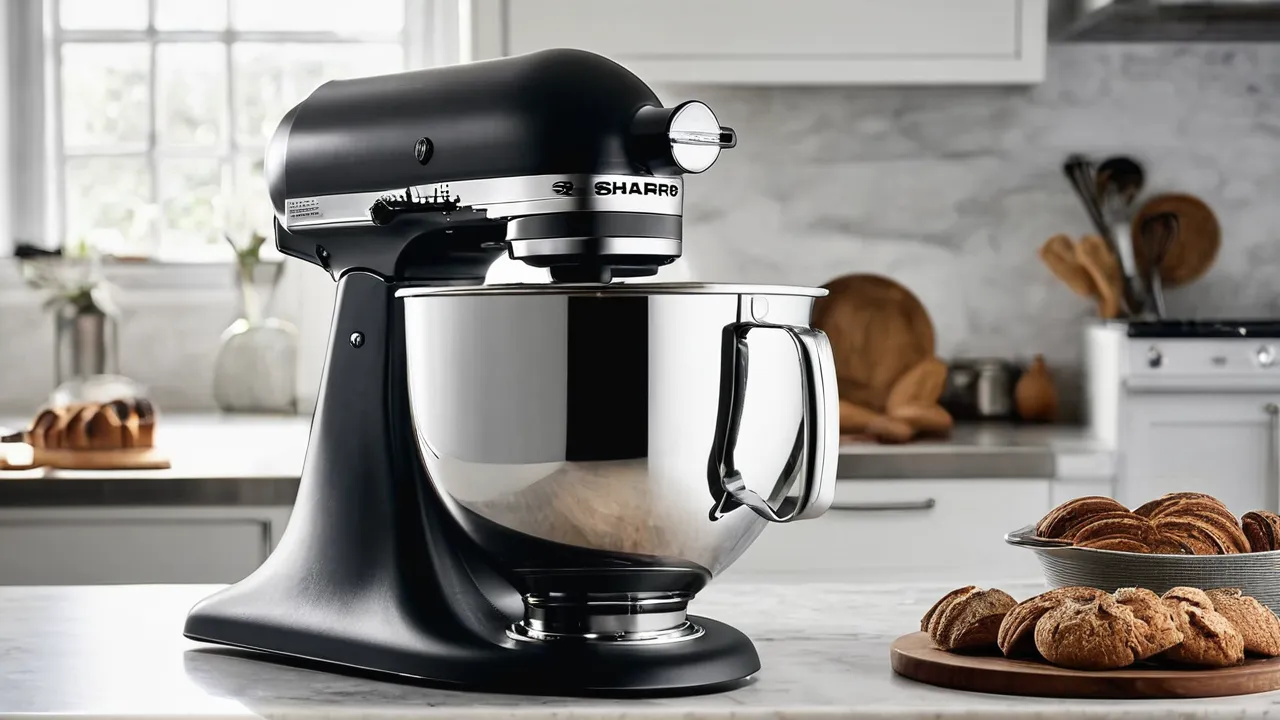
Stand mixer attachments are worth buying only when you would use the task at least monthly and the attachment costs clearly less than a standalone appliance that does the same job. Pasta rollers and meat grinders often make sense for people who cook those foods regularly, while ice cream bowls, spiralizers and many novelty add-ons gather dust. Always confirm that the attachment fits your mixer’s hub and your model’s motor strength before you buy, and be cautious with third party versions.
The power hub on the front of many stand mixers invites you to treat the mixer as a kitchen system. That can be a smart use of one motor, or a way to spend money on gadgets. This guide sorts attachments by cost against a standalone machine, hub fit and risk.
How the Attachment Hub Works
Many stand mixers have a power hub on the head, with a cover you remove to insert an attachment. The attachment is driven by the mixer motor through a shaft. That means the mixer’s motor, gearing and run time limits apply to every attachment. A motor that handles whipped cream may struggle with long grinding or kneading jobs, and the manual usually lists safe usage times.
Hub designs differ between brands and even between model lines of the same brand. A hub that looks similar may not accept an attachment made for another type. Before you buy, check the model compatibility list on the maker’s site or product page. Do not assume that because an attachment fits one size of mixer it fits all.
Attachments connect and spin at high torque. Always unplug the mixer before connecting or removing one, and keep fingers, hair and clothing clear while it runs.
The Cost Comparison Rule
The best yardstick for an attachment is to compare it with a standalone appliance.
- If the attachment costs about the same as a dedicated machine, buy the dedicated machine. It will have its own motor and often more features.
- If the attachment is much cheaper than a standalone unit and you already own the mixer, it can make sense.
- If you would use the standalone appliance only twice a year, skip both.
Counter space matters too. An attachment lives in a drawer and uses the mixer you already store, which is a real advantage over a standalone machine that needs its own spot. Cleanup, however, can be a point against: pasta rollers and grinders have several parts, some of which cannot be washed in water.
Attachments That Often Earn Their Place
Meat grinder or food grinder
A grinder lets you control the cut and fat content, and it works with the mixer’s motor. It suits people who make burgers, sausage or ground meat from whole cuts. Cleanup includes washing metal plates and blades promptly and drying them well, as they can rust. Check whether the grinder attachment is dishwasher safe, since many parts are not.
Pasta roller and cutters
A roller attachment flattens dough into sheets and cuts it into fettuccine or spaghetti. Fresh pasta fans who make it monthly find it useful. Rollers are usually wiped, not washed, so follow the cleaning directions. If you rarely make pasta, a hand crank roller is a cheaper alternative.
Food processor or slicer attachments
A slicer and shredder can be convenient for coleslaw or large vegetable prep if you do not own a food processor. If you do, the attachment may duplicate what you have.
Extra bowls and beaters
The most practical add-ons are often the simplest: a second bowl so you can switch between recipes without washing, and a replacement beater when the coating wears. These are low cost, fit-specific and used constantly. Beater coatings and shapes vary, so match the replacement to your bowl size.
A Usage Checklist Before You Buy Any Attachment
- Will you use it at least monthly for the next year?
- Does the manual list your exact mixer model as compatible?
- Do you already own a standalone appliance that does the same job?
- Where will it be stored, and are the small parts easy to keep together?
- Is it easy to wash, and are the parts dishwasher safe according to the manual?
- Does the maker list a maximum speed setting and run time for it?
- Is there a clear warranty and a way to buy replacement parts?
If you answer no to more than two items, wait.
Attachments to Skip or Think Twice About
- Ice cream makers need a bowl pre-frozen for many hours and make small batches. If you do not make ice cream monthly, a dedicated machine or none at all is better.
- Spiralizers and novelty cutters are used for a few meals and then forgotten. A hand tool is cheaper.
- Juicers and citrus presses that rely on the mixer motor may be slow, and cleanup is long.
- Sausage stuffers and specialty add-ons make sense only if you make sausage often.
- Any attachment you are buying because it is on sale rather than because it solves a task.
A Simple Buying Order
If you are building a kit over time, buy in this order. First, the basics that you will use every week: a second bowl, a spare beater and a splash guard if your mixer does not include one. Second, one food-prep attachment that replaces a task you already do by hand, such as grinding or rolling. Third, anything else only after you have used the second for several months.
Keep the receipt and the original packaging for the first month. If the attachment does not fit smoothly, wobbles in the hub or makes grinding noises, return it rather than forcing it. Force can damage the hub’s gear, a repair that often costs more than the attachment itself.
Storage is also part of the plan. Attachments take drawer space, and the pieces are easy to lose. A dedicated bin or a shelf near the mixer keeps parts together, and labeling each bag with the model it fits prevents confusion after a move or a long break.
Finally, read the manual’s stated limits for each attachment. Some manufacturers specify a maximum speed setting, a maximum run time and a rest period between uses. These limits protect the motor and gears, and ignoring them is a common reason a mixer fails earlier than expected.
A Verdict by Buyer Type
- The weekly baker: a second bowl and a spare beater first.
- The fresh pasta fan: a roller and cutters, once you have made pasta by hand and liked it.
- The home sausage and burger maker: a grinder, after confirming the hub and motor limits.
- The small kitchen: skip anything that duplicates a food processor you already own.
- The gift buyer: choose a bowl or beater set over a specialty attachment unless the recipient asks for it.
Third Party Attachment Risks
Aftermarket attachments are often cheaper, and some are well made, but they bring risks.
- Fit may be imperfect. A loose shaft can wear the hub or strip gears.
- Materials may differ. Check whether food contact parts are food grade, and whether the metal is likely to rust.
- Using a non-approved accessory may void the mixer’s warranty if damage results. Read the warranty language before buying.
- Torque demands vary. An attachment not designed for your mixer can overload the motor.
If you consider third party options, read the product page for the exact models supported, check the seller’s return policy and use the attachment only for the tasks listed. When in doubt, buy from the mixer manufacturer or the attachment’s maker with verified compatibility.
Who Should Buy Attachments
- Buy a grinder or pasta roller if you cook those foods monthly, own a compatible mixer and would otherwise buy a separate appliance.
- Buy spare bowls and beaters if you bake often.
- Skip attachments if you bake only occasionally, since the mixer itself will handle your needs.
- Skip attachments if your mixer is small and low powered, since heavy attachments can overtax it.
- Skip attachments sold for hubs that differ from yours.
Browse the stand mixers category when deciding whether a mixer with a hub suits your plans. If you do not plan to use a hub, you can save money by buying a model without that emphasis.
Frequently Asked Questions
Are stand mixer attachments worth it?
They are worth it when you would use the task at least monthly and the attachment costs clearly less than a standalone appliance. They also save counter space, since they live in a drawer. If you rarely use them, skip them and consider a second bowl or spare beater.
Which stand mixer attachments are the most useful?
A grinder and a pasta roller are the most popular for people who make burgers, sausage or fresh pasta. Extra bowls and a spare beater are the simplest and most practical add-ons. Slicers and shredders can help if you have no food processor.
Do all attachments fit all stand mixers?
No. Hub designs differ between brands and sometimes between model lines of the same brand. A hub that looks similar may not accept an attachment. Check the compatibility list on the product page and in the manual before buying, and ask the seller if it is unclear.
Are third party stand mixer attachments safe to use?
Some are well made, but fit may be imperfect and a loose shaft can wear the hub. Check which models the attachment supports, read the return policy and avoid forcing it into the hub. Warranty coverage may differ, so read the maker’s terms. Unplug the mixer when connecting or removing one.
Final Thoughts
Think of the hub as optional. Buy an attachment only after you have used the mixer for a while, know which tasks you repeat, and have compared the price with a dedicated appliance. Extra bowls and beaters are usually the best additions, grinders and pasta rollers can earn their place for regular users, and novelty attachments rarely do. Check hub compatibility, motor limits and warranty terms. For more on stand mixers, see the best stand mixer roundup and how we review.
Related buying guides
- Stand Mixer Beater Types: Flat, Wire Whip and Dough Hook
- Stand Mixer Bowl Materials: Steel, Glass, Ceramic
- Stand Mixer Buying Mistakes
About the author

The BuyOnceChoice Editorial Team researches durable products worth buying once. Our guides compare published specifications, warranty terms, expert review consensus, and verified owner feedback. We do not conduct our own product trials. See How We Review and our Editorial Policy for our standards.