In-Wall vs In-Ceiling vs On-Wall Speakers
Renters should skip the saw and pick on-wall or freestanding. Owners can choose in-wall for fronts and in-ceiling for heights. Here is how to decide.
 By BuyOnceChoice Editorial Team
Updated November 16, 2026
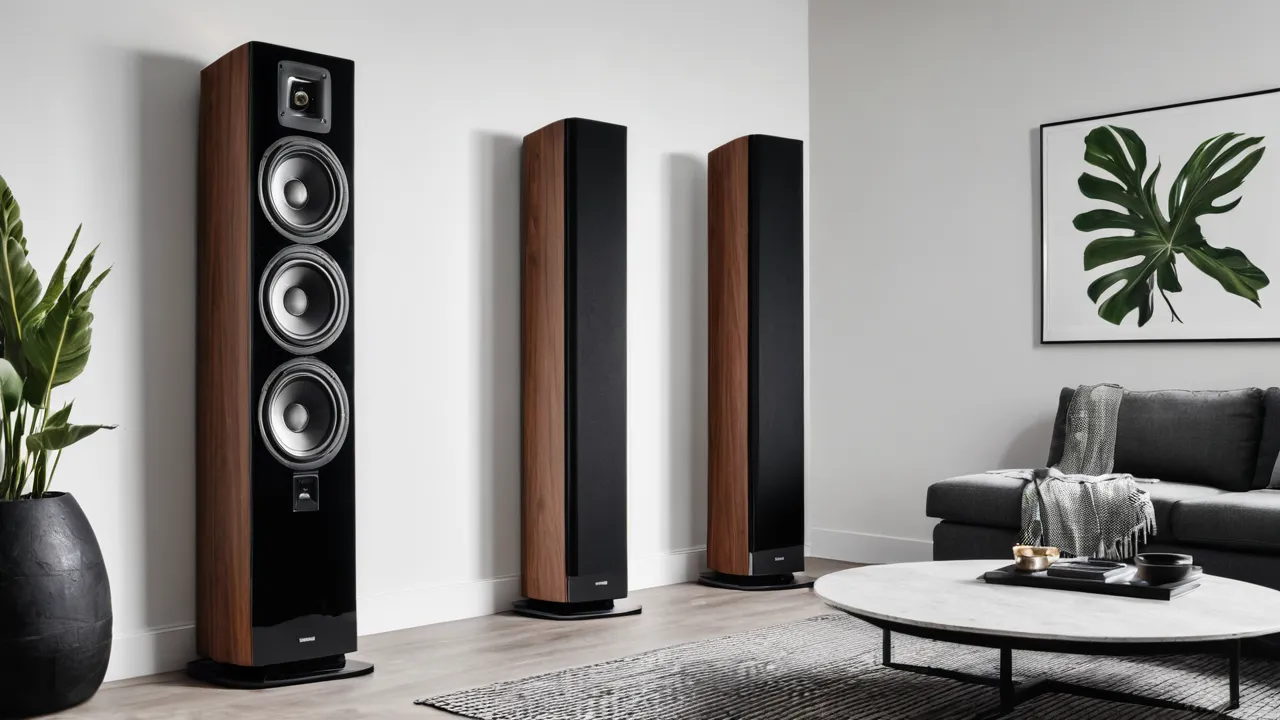
Choose in-wall speakers when you own the home and want the front and surround channels hidden in the wall. Choose in-ceiling speakers for overhead Dolby Atmos or for ceiling based surrounds. Choose on-wall speakers if you rent, want an easy install, or are not sure you want to cut drywall. The deciding factor is usually ownership and how willing you are to open walls.
What each type actually is
In-wall speakers mount inside the wall cavity and sit nearly flush with the surface. In-ceiling speakers do the same in the ceiling, and some have pivoting tweeters so sound can be aimed toward the seats. On-wall speakers are slim cabinets that mount on the surface with brackets and need no cutting, only a cable path.
In-wall and in-ceiling designs are often called architectural speakers. They rely on the wall or ceiling cavity as part of the enclosure, so some include a rear enclosure or back box to control the sound. Manufacturers differ, so check the spec sheet for whether a model is designed to work with or without a back box.
The rent or own decision rule
This is the filter most guides skip. Use it before you compare anything else.
- Own and plan to stay for years: in-wall and in-ceiling are fair choices. The install is permanent and the result is clean.
- Own but may move soon: consider whether the work adds value to a buyer. Hidden speakers can be a selling point, but custom rooms are not for everyone.
- Rent: avoid cutting into walls. Choose on-wall or small freestanding models and use cable covers if you need to run wire. A lease can require repairs for any structural change.
- Unsure: start with on-wall or freestanding. You can always upgrade to in-wall later.
Install difficulty compared
| Type | Typical work | Difficulty | Reversible |
|---|---|---|---|
| In-wall | Cut an opening, run cable inside the wall, secure the speaker | Moderate to high | Not easily |
| In-ceiling | Cut an opening, fish cable above, avoid joists and insulation | Moderate to high | Not easily |
| On-wall | Mount a bracket, run cable along the surface or in a raceway | Low | Yes, with small holes to fill |
Walls are not blank spaces. Studs, pipes, wiring and fire blocking can sit where you plan to cut. Ceilings hide joists, ducts and insulation. A stud finder helps, but opening a wall carefully is the only sure way to know. If you are unsure, hire a professional installer.
Safety, Code, and Install Costs
Wire that runs inside a wall must meet local building and electrical code. Speaker cable that is rated for in-wall use carries a CL2 or CL3 marking, and some jurisdictions also require plenum rated cable in certain air handling spaces. We cover the rating differences in a separate explainer, and you should check what your local code requires or ask a licensed electrician before you start. Never run speaker wire in the same hole as mains power cable unless code allows it and the cable is properly rated. Turn off power to circuits near your work area and follow the speaker’s manual for mounting.
Costs and surprises people run into
The speaker is only part of the project. Plan for in-wall cable, mounting hardware if the speaker does not include it, drywall repair supplies, paint, and possibly a back box. Professional installation adds labor, and pricing varies widely by region and by the number of openings, so get quotes rather than relying on a general figure.
Common surprises include a stud sitting exactly where the opening should go, insulation that has to be moved so it does not press on the speaker, and a ceiling that is too shallow above for a deep model. Always check the cutout depth in the product listing and compare it with what you can actually see in the attic or crawl space. In-ceiling models also come with different baffle sizes, so confirm the cutout diameter before buying.
Paintable grilles help the speaker blend in, but follow the manual on what paint is safe for the grille. Thick paint can clog the perforations and dull the treble.
Sound quality and room fit
In-wall speakers can sound very good, but they depend on the wall. A wall that is thin and hollow can add resonance. A back box or a design with a sealed back lowers that risk. In-ceiling speakers are usually used for effects and Atmos overhead sound, where precise tonal match matters less than coverage. For a main front soundstage, free standing speakers or well designed in-walls often provide more control.
On-wall speakers sit in front of the surface, so they are easier to aim and use in a room where cutting is out of the question. They can be slim and reasonably unobtrusive.
Remember that speakers within the same room should share similar tonal character. If you choose in-wall fronts, choose surrounds and heights from the same brand and series when you can. Our piece on mixing speaker brands covers when a mismatch is audible.
A simple planning sequence keeps the project calm. First, decide where the seats and the screen will be, since speaker positions follow from them. Second, mark the speaker locations with painter’s tape and sit in the room to judge the height and angle. Third, check each spot for studs, ducts, and wiring before you cut. Fourth, run and label the cable, and only then cut the openings. Skipping the tape stage is the most common reason owners end up patching a hole that sits in the wrong place.
The future Atmos upgrade path
If you think you may want Dolby Atmos later, plan for it now. The cheapest time to run cable into a ceiling is when you are already working in the wall. Run an extra length of cable, or install conduit, so you can add overhead channels later without reopening finished surfaces. If you rent and want height effects, upfiring modules are the removable choice. Our comparison of upfiring and in-ceiling speakers covers the room conditions that favor each.
When pairing with a receiver, count the amplifier channels you will need. A receiver with fewer channels can limit an overhead plan, as covered in the AV receivers section.
A word on speaker wire length and connections
Hidden speakers still need a clean connection to the receiver. Measure the cable run from the speaker location to the receiver, including the path through the wall, and add slack at both ends for future adjustments. Longer runs need a thicker gauge to avoid wasting power, and our speaker wire gauge guidance on the site covers how to choose. Label each cable at both ends before it disappears into the wall, because tracing an unlabeled run later is a frustrating job. Leave a service loop near the opening so you can pull the speaker out for repair or replacement without cutting cable.
Verdict by Buyer Type
- Homeowners building a dedicated or semi-dedicated room: in-wall for the front and sides, in-ceiling for heights, with a good subwoofer.
- Homeowners with plaster or finished walls and little tolerance for mess: on-wall may be the more practical route.
- Renters: on-wall or freestanding. Skip the saw.
- Anyone who wants the best front soundstage and does not mind seeing the speakers: look at the home theater speakers category for freestanding options.
A quick comparison by room
- Living room with a television on one wall: in-wall for the front pair only works well if the TV is wall mounted and the wiring is planned. Otherwise slim on-wall or freestanding speakers are easier.
- Bedroom or small den: in-ceiling pairs can give a simple stereo setup without taking up floor space.
- Basement with an open ceiling: in-ceiling is easy before drywall goes up, and tricky after.
- Open plan space: ceiling speakers can spread sound more evenly across the room, and our guide on open floor plans covers the trade-offs.
Frequently Asked Questions
Are in-wall speakers worth it?
They are worth it if you own the home, plan to stay, and want a clean look. The install is permanent and involves cutting drywall and running cable. They can sound very good, but they depend on the wall. If you rent or may move, on-wall or freestanding speakers are the easier choice.
Can I install in-wall speakers myself?
Many homeowners do, but walls hide studs, pipes, wiring, and fire blocking. Use in-wall rated cable, follow local code, and keep speaker wire out of the same hole as mains cable. Turn off power near the work area, and hire a licensed professional for any electrical work.
Are in-ceiling speakers good for Dolby Atmos?
Yes. In-ceiling speakers are a common way to add overhead Atmos channels, since tonal match matters less than coverage. Count the amplifier channels your receiver offers. If you rent, upfiring modules are the removable alternative, and running extra cable now eases a later upgrade.
Do in-wall speakers need a back box?
It depends on the model. Some designs rely on the wall cavity as part of the enclosure, while others include a rear enclosure or sealed back to control the sound. Check the spec sheet. A thin hollow wall can add resonance, so a back box lowers that risk.
Final Thoughts
In-wall and in-ceiling speakers reward a permanent install. If you do not own, do not plan to stay, or do not want to open walls, on-wall or freestanding speakers are the safe choice. Wherever you land, follow the manual for each speaker and your local code for cable, and ask a licensed professional for any electrical work. For the way we weigh these trade-offs, see How We Review.
Related buying guides
- Mixing Speaker Brands: Does Timbre Matching Matter?
- Open Floor Plan Home Theater: Speaker and Bass Tips
- Powered vs Passive Bookshelf Speakers: Which to Buy
About the author

The BuyOnceChoice Editorial Team researches durable products worth buying once. Our guides compare published specifications, warranty terms, expert review consensus, and verified owner feedback. We do not conduct our own product trials. See How We Review and our Editorial Policy for our standards.