Subwoofer Placement and Crossover Setup Checklist
Place the sub by your main seat, set phase, match the crossover to your speakers, then rerun room correction. One routine you can repeat after any change.
 By BuyOnceChoice Editorial Team
Updated November 16, 2026
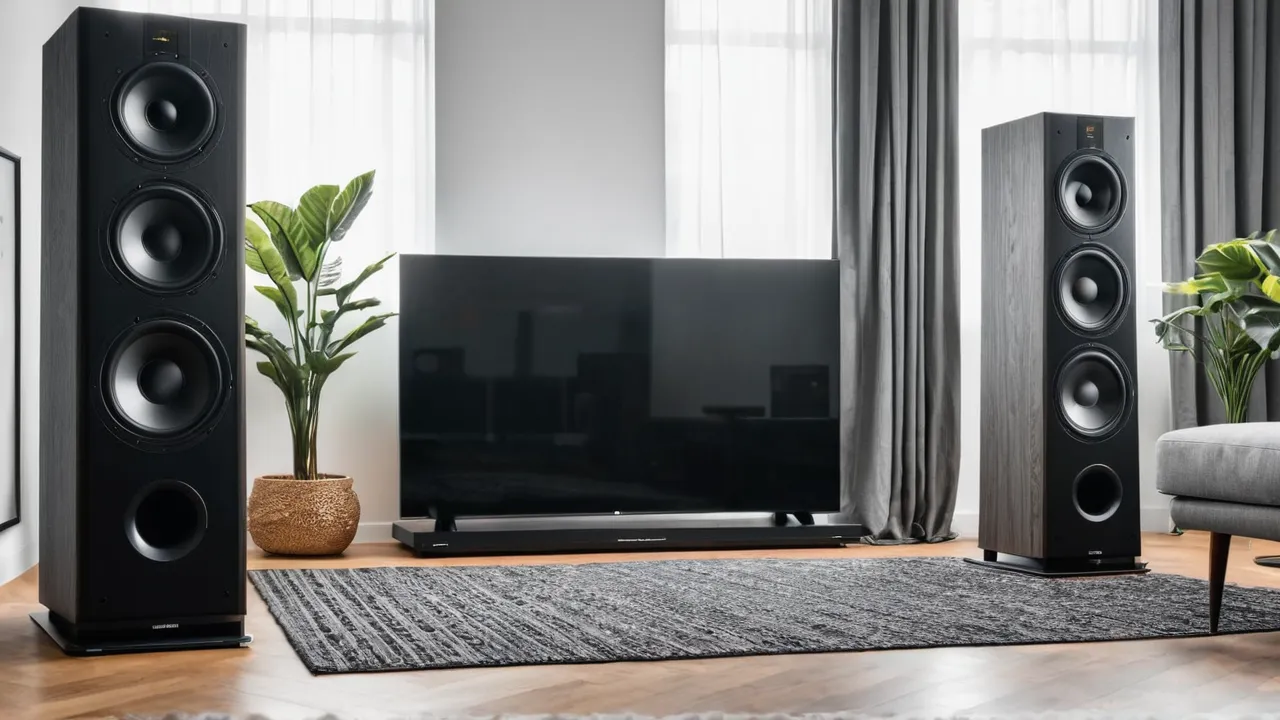
To set up a subwoofer, place it at your main seat, crawl around the room to find where the bass sounds smoothest, then put the subwoofer in that spot. Next check phase, set the receiver crossover to a starting value of 80 Hz, set the subwoofer’s own crossover out of the way, set the level and run room correction again. This checklist covers each step.
Why bass placement matters more than sub size
Low frequencies have very long wavelengths, and rooms shape them strongly. The same subwoofer can sound tight and even in one spot and boomy with a dead zone in another, because standing waves create peaks and dips. Moving the subwoofer a few feet can change the bass more than moving up a driver size.
Placement and crossover work together. The crossover decides what the subwoofer plays, and placement decides how that bass reaches your seat. Skipping either step leaves performance on the table. The five step sequence below takes under an hour the first time, and a few minutes for later changes.
The five step sequence
Step one: the seat first crawl
Put the subwoofer in your main listening seat, or on a chair at the seat, at the height where it will finally sit. Play bass heavy music or a bass sweep with steady low notes. Then crawl around the room, along the walls and near corners, with your head at the height of the subwoofer, listening for where the bass sounds even, full and clear.
The spot where you hear the best bass is a good place for the subwoofer, because the acoustics are reciprocal: a source placed where the ear heard good bass tends to give good bass at the seat. Mark two or three candidate spots with tape. Check that each spot is practical, for example not blocked by furniture or a doorway.
Step two: try each candidate from every seat
Move the subwoofer to each candidate spot and listen from every seat where people sit, with the same track. A spot that suits one seat may leave another with a dip. Choose the position that gives the most even bass across the seats you use, even if no seat gets the perfect version. Pay attention to boom on certain notes, which suggests a room peak, and to thin bass, which suggests a null.
If the best sounding spot sits in a corner, expect more output and a stronger peak. If it sits along a wall, output is a little lower and often smoother. Keep any port clear, as the manual describes.
Step three: check phase and polarity
Phase determines how the subwoofer and the main speakers add at the crossover. Many subwoofers have a phase switch or dial, with positions such as 0 and 180 degrees. Play a track with a steady bass line, sit in your seat and switch between the positions. Keep the one that sounds fuller and louder at the seat. If the difference is small, leave it at 0.
Receivers with distance settings also help. Make sure the distance to the subwoofer is entered correctly or measured by the setup routine. Some receivers offer a subwoofer polarity option in the menu. Use one control, not both, and note the change.
Step four: set the crossover
Set the receiver’s speaker sizes to Small and the crossover to about 80 Hz as a starting value, then raise it for small speakers or lower it for large ones. Set the subwoofer’s own crossover dial to its highest value, or to the LFE or bypass setting, so that the receiver does the filtering. If the subwoofer has no bypass, read the manual. Our guide to AV receivers category lists models with detailed bass management.
If the sound shows a gap between the speakers and the subwoofer, raise the crossover a little. If the bass seems to come from the subwoofer instead of the speakers, lower it. Change by small steps and listen to voices and music, not just effects.
Step five: set the level, then recalibrate
Run the receiver’s automatic setup with the subwoofer in its final position, and then check the subwoofer level against the speakers. Many rooms benefit from a level a few decibels lower than the measurement suggests, since bass that is too strong masks dialogue. Play a familiar movie scene and a music track, and adjust by ear.
Recalibrate after every move. If you shift the subwoofer, a speaker, a chair or large furniture, run the routine again, because distances, levels and room response change. Write the settings down before you change them, so that you can return.
Common mistakes to avoid
- Placing the subwoofer in a corner without trying other spots.
- Leaving both the subwoofer and the receiver crossover active, which stacks filters.
- Skipping the phase check.
- Setting the level too high, so bass drowns dialogue.
- Forgetting to recalibrate after moving furniture or speakers.
- Blocking the port with a wall or furniture.
- Placing the subwoofer on a hollow floor without isolation, which can cause rattling.
Who should do what
A listener with one subwoofer and one seat can follow the sequence as written. A household with several seats should weigh evenness over perfection, and consider a second subwoofer to smooth the response. A renter can use a rug or isolation feet under the subwoofer to reduce vibration into the floor and neighbors’ space. See our home theater speakers category for matching speakers, and read our How We Review page to see how we weigh specifications.
A printable checklist
1. Put the subwoofer at the main seat and crawl to find the best bass spot.
2. Move the subwoofer to the best two or three spots and compare from each seat.
3. Check the port clearance and floor contact.
4. Flip the phase switch and keep the fuller sound.
5. Set the speakers to Small, the crossover to 80 Hz or the right value for your speakers.
6. Put the subwoofer’s own crossover at maximum or LFE.
7. Run the receiver’s auto setup, then adjust the level by ear.
8. Recalibrate after every move.
A worked example
Imagine a living room with a TV wall and a sofa on the opposite wall. The crawl suggests that the bass is smoothest near the front right corner and along the right wall midway. The corner gives louder bass with a boomy peak, and the wall spot gives smoother bass at the sofa. You pick the wall spot, set the phase to 180 degrees because it sounds fuller, set the crossover to 80 Hz, run auto setup and lower the level by a couple of decibels. Later you move the sofa and run the routine again.
Fixing common bass problems
If the bass sounds boomy, move the subwoofer away from the corner, lower its level a little, and check whether a nearby wall or cabinet is resonating. If the bass sounds thin, flip the phase switch, check that the speakers are set to Small, and confirm the subwoofer cable is connected to the right output. If you hear rattles, find the loose object, then place the subwoofer on a firmer surface or add a rug or isolation feet. If the bass changes from seat to seat, try a second position, or consider a second subwoofer. If you hear hum, check the cable and the power connection. Work through one fix at a time, and recheck after each.
Using two subwoofers
Two subwoofers often give smoother bass across several seats than one larger unit, because they excite the room’s modes differently. Place them in different spots, such as opposite walls or the midpoints of two walls, and set the same phase and level at first. Many receivers with two subwoofer outputs let you set each one separately, and room correction can handle both. Make sure the receiver sends signal to both outputs, as the manual describes. If you add a second subwoofer later, repeat the sequence, starting with the crawl for the new position.
Notes on levels and safety
Bass is felt as well as heard, and it travels through floors and walls. Keep the level moderate late at night, and do not place the subwoofer on a table or shelf that was not built for its weight. Check that the subwoofer’s power cord is not under a rug where it can be damaged. Follow the manual for ventilation if the subwoofer has an amplifier, and leave space around the cabinet.
Frequently Asked Questions
Where should I put my subwoofer?
Start at your main seat, play bass heavy music and crawl around the room to find where the bass sounds smoothest. Put the subwoofer in that spot, if it is practical. Check the other seats, adjust the phase and run your receiver’s auto setup.
What crossover should I set for a subwoofer?
Start at 80 Hz on the receiver, with the speakers set to Small. Raise it for small speakers and lower it for larger ones. Set the subwoofer’s own crossover to its highest value or to LFE, so the receiver controls the filter.
Should the subwoofer phase be 0 or 180?
Try both and keep the one that sounds fuller at your seat. The right setting depends on distances and the room. If the two sound the same, leave it at 0, and confirm that the receiver has the correct distance entered.
Do I need to recalibrate after moving the subwoofer?
Yes. Moving the subwoofer, a speaker or large furniture changes distances and room response, so run the receiver’s setup routine again and check the level by ear. A few minutes saves you from living with poor bass.
Final Thoughts
Find the spot with the smoothest bass at your seat, check phase, set one crossover on the receiver and balance the level by ear. Recalibrate after every move, and treat the settings as something to refine. Good placement with a modest subwoofer beats a large one in a bad spot.
Related buying guides
- Subwoofer Size by Room Size: A Sizing Guide
- Surround Speaker Placement: Side vs Rear Surrounds
- Up-Firing vs In-Ceiling Atmos Speakers
About the author

The BuyOnceChoice Editorial Team researches durable products worth buying once. Our guides compare published specifications, warranty terms, expert review consensus, and verified owner feedback. We do not conduct our own product trials. See How We Review and our Editorial Policy for our standards.