Dishwasher Noise Levels: What Decibel Rating to Pick
Learn how to read a dishwasher's dBA number, why a 10 dB gap matters, and how insulation and kitchen layout decide how quiet it feels.
 By BuyOnceChoice Editorial Team
Updated November 16, 2026
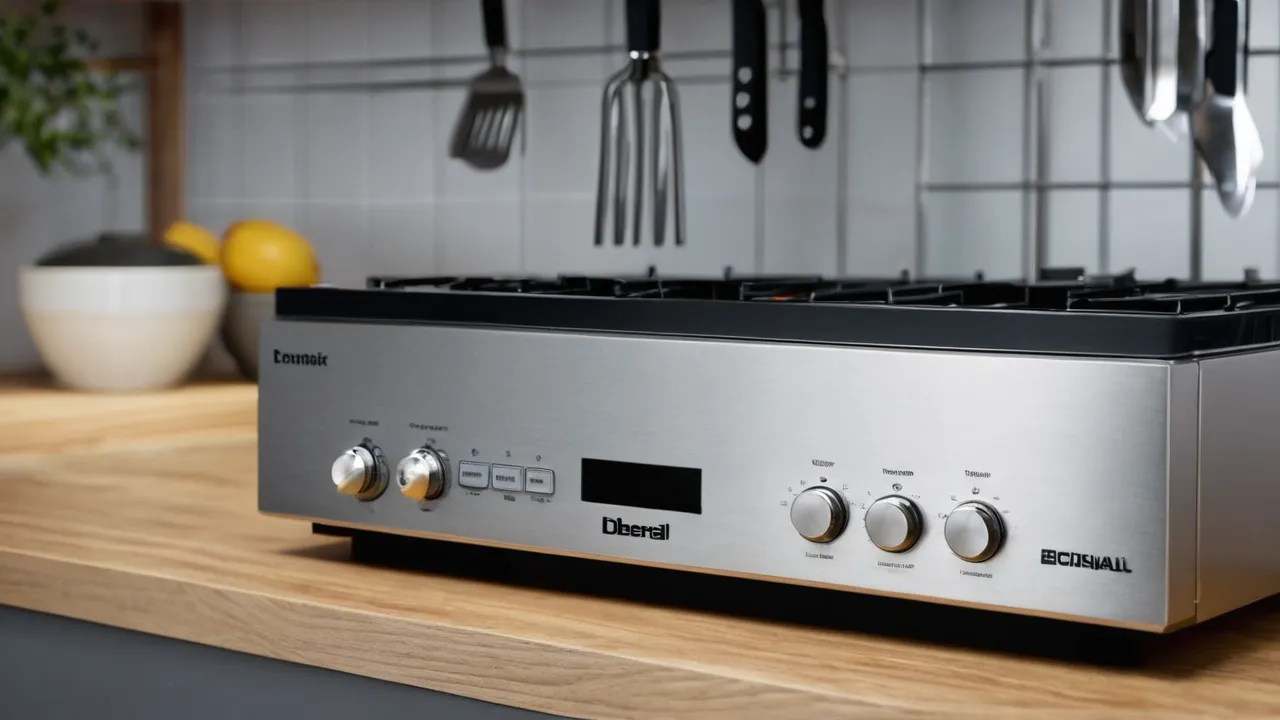
A quiet dishwasher decibel rating is a manufacturer-stated number in dBA, and lower is quieter. Every 10 dB step down is heard as roughly half as loud, so a 44 dBA machine sounds clearly calmer than a 54 dBA one. Check that rating, then look at insulation, the pump design, and where the kitchen opens into living space.
What the dBA Number on a Spec Sheet Really Tells You
Decibels are logarithmic, which is why small numbers hide big differences. A rise of 10 dB is perceived by most people as about twice as loud, and a rise of 3 dB is the smallest change in sound energy that is easy to notice in a quiet room. So the gap between a 42 dBA and a 48 dBA dishwasher is not cosmetic. It is the difference between a hum you can talk over and a hum you start to track.
The “A” in dBA means the reading is weighted to match how human ears respond, which discounts very low rumble and emphasizes the mid and high frequencies we hear most. Manufacturers publish one dBA figure, usually taken on a standard cycle under controlled conditions that your kitchen will not match. Treat it as a ranking tool between models, not a promise of what you will hear at the sofa.
Two cautions apply. First, the figure is often for the quietest or default wash program, while heavy or sanitize cycles can run louder. Second, a spec sheet with no dBA figure at all is a signal to read the manual PDF or ask the retailer before buying.
A Plain Scale for Comparing Ratings
Use this rough guide as a starting frame. It reflects how people commonly describe these levels, not a standard.
| Stated level | Typical impression | Best fit |
|---|---|---|
| — | — | — |
| Low 40s dBA or below | Hard to notice from the next room | Open plans, studios, light sleepers |
| Mid 40s dBA | Soft hum, audible in a silent kitchen | Most family homes |
| Around 50 dBA | Clear background noise during the wash | Closed kitchens, basements |
| Mid 50s dBA and above | Conversation competes with it | Only if you run it when out |
If your kitchen opens onto a living room or a bedroom shares a wall, aim for the first two rows. If the kitchen has a door and you run the machine overnight at the other end of the house, the third row is usually fine.
Where the Quiet Actually Comes From
A low dBA figure is the result of a few design choices, and knowing them helps you judge a spec sheet that is thin on detail.
Insulation and tub construction
Insulation blankets around the tub and sound-absorbing pads on the door and base reduce the sound that escapes the cabinet. Machines in the low 40s generally add more insulation than entry models. Stainless tubs ring differently than plastic ones, and the tub material matters less than the dampening around it, so judge by the stated dBA and the insulation description rather than the tub alone.
Pump and motor design
Many quieter units use a variable-speed or brushless motor that ramps up and down instead of running at one hard speed. That removes the sharp whine and the abrupt start of a fixed-speed pump. Check whether the product page names the motor type, and treat vague phrases such as “whisper quiet” as marketing until a number backs them.
Spray arm and filter layout
Water hitting dishes is its own noise source. A fine self-cleaning filter tends to be quieter than a hard-food-disposer grinder, which is a small blender at the bottom of the tub. Grinder models can wash through scraps but often announce themselves with a rattle. If you rinse plates lightly, a filter-based design gives up little and is usually calmer.
Installation Decides Whether You Hear the Rating
Two identical dishwashers can sound different in two kitchens. The installation matters more than most buyers expect.
- Cabinet fit: a machine that is level and snug between cabinets transmits less vibration. Rattling cabinet doors or an unsecured toe kick amplify the sound.
- Hard surfaces: tile, stone counters, and an open ceiling bounce noise. Rugs, upholstered stools, and a closed cabinet run around the unit absorb it.
- Water lines: a hose that touches the cabinet wall or a loose drain loop can knock or hum. Ask your installer to pad contact points.
- Door gaskets and the toe kick insulation: make sure the manufacturer’s included insulation is actually installed, since some get left out of rushed jobs.
Before you blame the machine, check the install. A model rated in the mid 40s that sounds like a 55 usually has a vibration or hose issue that a professional can fix.
How Noise Interacts with Cycle Length and Delay Start
A longer, gentler cycle trades speed for sound. Eco programs often run longer at lower water temperature and gentler pump speeds, so the peak noise can be lower even though the total duration is longer. Most households that care about quiet run the dishwasher overnight with delay start, then put up with the peak noise only during the drain and dry phases.
Drying style also changes the sound. Condensation drying is silent at the end of a cycle, while fan-assisted or heated drying adds a fan whoosh. Read the product page for the drying method and think about whether that final phase will fall inside your sleep window.
How to Shop by Decibel Without Being Fooled
Work through these steps in order.
- Find the stated dBA on the manufacturer’s spec sheet, not only the retailer listing.
- Compare numbers only between models that state the same type of cycle, since figures for different programs are not like for like.
- Read the description for insulation, motor type, and filter design. A low number with specifics beats a low number with adjectives.
- Check the owner questions and reviews for words like clicking, humming, or buzzing during drain. Patterns across several owners tell you more than a single complaint.
- Confirm the installation requirements in the manual, then plan for level feet and cabinet pads.
Here is a short example of the process. Suppose two models are on your shortlist. One lists a low 40s dBA figure with a variable-speed motor and describes its insulation, and the other lists a mid 40s figure with no detail beyond the word quiet. The first is a better bet for an open plan home. If the second is noticeably better in other ways, such as rack flexibility or parts availability, a closed kitchen may not care about the extra few decibels. Decide where your kitchen sits on the scale first, then pay for quiet only up to that point.
For a broader look at features that matter beyond sound, see our dishwasher guides and the How We Review page for how we weigh specs.
Decision Rules by Kitchen Type
Different homes need different targets, so here is a verdict for each buyer.
- Open-plan home or studio: choose the lowest stated dBA you can reasonably afford, ideally in the low 40s, with a variable-speed motor and fine filter.
- Family kitchen with a door: mid 40s is plenty. Spend the difference on rack flexibility and drying instead.
- Basement or utility-area install: around 50 dBA is fine since the sound is contained. Prioritize drain and leak protection features.
- Light sleeper with a bedroom above or beside the kitchen: choose a quiet model and run it with delay start in the evening.
- Anyone who runs the machine only while out: skip the premium for the lowest number and put the money toward cleaning performance.
If you are comparing a built-in against a small unit, a portable 18 inch dishwasher round-up shows how compact machines trade noise and capacity.
Frequently Asked Questions
What is a quiet decibel level for a dishwasher?
A stated level in the low 40s dBA is generally considered very quiet, while the mid 40s is quiet enough for most family kitchens. Around 50 dBA is audible in a silent room. Treat these as manufacturer stated rankings between models, and check the spec sheet for which cycle the figure applies to.
Does a 10 dB difference really sound twice as loud?
Roughly, yes. Most listeners hear a 10 dB increase as about twice as loud, even though the sound energy rises much more. That is why a 44 dBA dishwasher sounds clearly calmer than a 54 dBA one, and why a few decibels can matter in an open plan kitchen.
Why does my dishwasher sound louder than its rating?
The rating is measured under controlled conditions on a specific program, so heavy or heated cycles can run louder, and your kitchen adds echo from hard surfaces. A loose installation, an unsecured toe kick or a hose touching a cabinet can add rattling. Check level feet and padding first, then ask a professional.
Are quieter dishwashers less effective at cleaning?
Not necessarily. Quiet comes from insulation, variable speed motors and fine filters, not weaker washing. Quiet eco programs may run longer at lower water temperature, so the trade is time, not results. Compare cleaning features such as spray arms and filtration alongside the dBA figure rather than choosing on noise alone.
Final Thoughts: Read the Number, Then Check the Fit
Use the dBA figure to narrow the shortlist, remember that 10 dB feels like a doubling, and confirm insulation and motor type before paying more for a lower number. Then protect that rating with a level, padded installation. A machine that is honestly mid-40s and well installed will usually be calmer than a quieter-rated one that rattles in its cabinet.
Related buying guides
- Dishwashers and Hard Water: Fixes That Work
- How Long Does a Dishwasher Last and Repair vs Replace
- How to Clean a Dishwasher and Prevent Odors
About the author

The BuyOnceChoice Editorial Team researches durable products worth buying once. Our guides compare published specifications, warranty terms, expert review consensus, and verified owner feedback. We do not conduct our own product trials. See How We Review and our Editorial Policy for our standards.