Work Boot Buying Mistakes That Cost You Twice
Most boot regrets trace back to a few predictable errors in sizing, hazard matching and care. This list shows each mistake and a quick checklist to avoid it.
 By BuyOnceChoice Editorial Team
Updated November 16, 2026
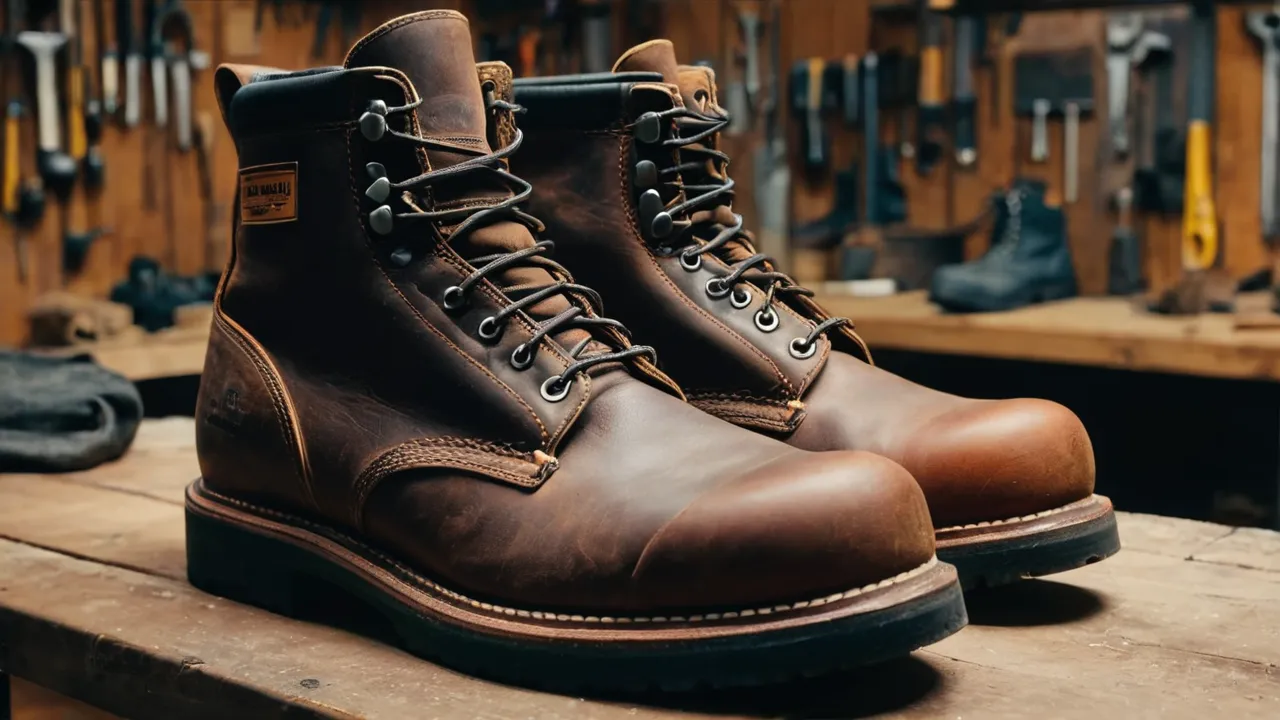
The most common work boot buying mistakes are choosing for looks instead of the job’s hazards, fitting at the wrong time of day, judging length without width, and paying for features you will not use. Each mistake below comes with a fix, and a short checklist at the end lets you review a boot before you commit to it.
Why Work Boot Mistakes Are Expensive
A work boot is worn for hours on hard surfaces, around hazards, and often in conditions that punish poor fit. A mistake does not only waste money. It costs you comfort, it can cost you a pair you cannot return after wearing them outdoors, and in some jobs it can mean a boot that does not meet your employer’s requirements. Most of these mistakes are easy to avoid when you know what to check. Our work boots guides cover individual topics in more depth, and this article gathers the errors that show up most often.
The Mistakes and the Fix for Each
Mistake 1: Skipping the Hazard Check
Buying a boot before you know what the job requires is the first and most costly error. Safety toes, metatarsal guards, electrical hazard ratings and puncture-resistant soles are each meant for specific risks. Fix: ask your employer or read your site’s footwear policy, then look for the matching rating on the boot label. Check the manufacturer’s marking and manual on the boot you intend to buy, and do not assume a boot is rated because it looks sturdy.
Mistake 2: Buying One Boot for Every Task
A boot that suits a warehouse floor may be wrong for a muddy site, and a heavy insulated boot may be miserable in a hot shop. Fix: list the three main places you work. If they differ a lot, plan for two pairs, one for the main use and one for the exceptions, and rotate them so each dries between days.
Mistake 3: Ignoring the Employer’s Policy
Some workplaces require particular safety ratings, soles or colors, and some reimburse only qualifying boots. Fix: get the policy in writing before you buy. Keep proof of purchase, and ask whether the program covers repairs or replacements.
Mistake 4: Fitting at the Wrong Time of Day
Feet swell through the day, especially after standing. A boot that feels perfect in the morning can pinch by afternoon. Fix: shop late in the day, wear the socks you will use at work, and bring any insoles. Our clothing and footwear section has more fit guides.
Mistake 5: Judging Length and Not Width
A boot can match your length and still crush your forefoot or slide on your heel. Fix: check width, instep height and heel hold as well as length. Walk on an incline or stairs, and make sure your heel stays down and your toes can move.
Mistake 6: Counting on the Boot to Stretch
Safety toe caps do not stretch, and a boot that hurts on day one often keeps hurting. Leather may relax a bit, but it will not change where a rigid toe cap sits. Fix: only buy a boot that feels right at purchase, with a short, reasonable break-in, and use a return window to walk on it indoors.
Mistake 7: Paying for Features You Will Not Use
Metatarsal guards, heavy insulation and waterproof membranes add weight and cost. Fix: match each feature to a real need. If you will not use it, leave it off, and put the money into fit, a better sole or a second pair.
Construction, Money and Care
Construction matters. A boot built with a stitched welt can be resoled, while a cemented sole is cheaper and lighter but harder to repair. If you plan to keep the boot for a long time, ask whether it can be resoled and whether parts are available. Do not assume expensive means durable, and do not assume cheap means disposable. Look at the stitching, the quality of the leather or fabric, the sole attachment and the warranty terms.
On money, compare cost over time. A pair that lasts a year and one that lasts three have different yearly costs, but only if you can actually extend the life of the better pair with care. Leather needs cleaning and conditioning, and neglect shortens life in any boot. Rotate pairs, dry them after wet days, and replace insoles when they collapse. Ignoring care is a mistake that makes good boots behave like bad ones.
Also think about weather and season. A boot suited to summer concrete is wrong for winter work outdoors, and a heavily insulated boot is miserable in heat. If you work outdoors in cold weather, see our winter boots guides for how insulation and traction differ from work-focused construction.
A Checklist Before You Buy
- I know the hazards at work and the rating needed for each.
- I have read the employer’s footwear policy.
- I tried the boot late in the day with my work socks and insoles.
- Length, width, heel hold and instep all feel right, not just length.
- Toes can move and the heel stays down on stairs.
- I know whether the sole can be repaired.
- I can return the boot if it does not work indoors.
- I have a plan for a second pair or a rotation.
A Worked Example: Two Buyers, Two Outcomes
Buyer A buys a boot online because the photo looks sturdy and the price is low. It arrives a half size short, has no listed rating that matches the job, and cannot be returned once worn outside. Within two weeks the toes are sore, the rating is wrong and the boot is a loss.
Buyer B reads the site policy, notes the safety rating needed, shops in the afternoon with work socks and compares two models. The boot has a small heel lift on the first try, so the buyer uses a heel lock lacing pattern and a thicker sock, and walks indoors for a day before committing. It costs more, but it lasts and passes the employer’s check. The difference is not luck. Buyer B did the checks in the order that matters: requirement, fit, return window, then price.
Which Mistakes Cost the Most
Not all errors cost the same. A wrong safety rating can make the pair unusable at work, so it ranks first. A wrong fit is next, because it causes daily discomfort and often cannot be fixed after the return window closes. Paying for unneeded features wastes money but leaves you with a usable boot. Poor care is slow and quiet, shaving months off the life of a good boot.
When you are short on time, do the checks in that order: rating, fit, return policy, features, care plan. If a boot fails the first two, no price makes it a good purchase. If it passes them, you can then weigh construction and cost. This ordering also protects you from the common trap of comparing boots on price first and discovering a problem only after wearing them.
A related regret is buying a boot because a coworker swears by it. Feet differ in width, arch height and heel shape, so the same model can be perfect for one person and wrong for another. Use recommendations to build a shortlist, then let your own fit check decide.
Why Returns Matter More Than Reviews
Reviews describe other people’s feet. A return policy protects your own. Check the return window, whether worn boots are accepted and whether you pay shipping. Try the boots indoors on a clean floor, and keep the packaging until you are sure. A seller with a generous return policy is a better bet than a boot with glowing reviews and a no-return rule.
Plan for the second pair, too. If you use boots daily, rotating two pairs lets the leather and insoles dry, and it gives you a backup when one needs repair. For how we weigh claims on fit and durability, see how we review.
Frequently Asked Questions
What is the biggest mistake when buying work boots?
Buying before checking what the job requires. A boot without the right safety rating may not be allowed on site, and a boot built for the wrong conditions will wear out or hurt fast. Ask for the footwear policy first, then choose on fit and construction.
How long should work boots take to break in?
A well-fitting boot should feel comfortable at once or need only a short break-in of a few days. If it hurts at the toe, heel or instep on day one, it is probably the wrong size or shape. Do not rely on stretching, especially with a safety toe.
Should I buy work boots a size bigger?
Not automatically. Too much length lets the foot slide and causes heel blisters and tripping. Fit by measuring and trying, with your work socks, and check that the heel stays down and your toes can move. A half size up may be right for thick socks or insoles.
Is it worth paying more for a resoleable work boot?
It can be if you plan to wear the same pair for years and have a cobbler nearby, because a new sole costs less than a new boot. Check whether the construction allows resoling, and compare repair cost with replacement before deciding.
Final Thoughts
Work boot mistakes come from skipping the requirement check, fitting at the wrong time, judging length alone and ignoring care. Verify the rating, fit for width and heel hold, keep a return option and plan a rotation. A short checklist before purchase prevents most regrets.
Related buying guides
- Work Boot Fitting Checklist: 12 Checks Before You Buy
- Work Boot Insoles: When to Replace and When to Skip
- Lace Length and Lacing Styles for Work Boots
About the author

The BuyOnceChoice Editorial Team researches durable products worth buying once. Our guides compare published specifications, warranty terms, expert review consensus, and verified owner feedback. We do not conduct our own product trials. See How We Review and our Editorial Policy for our standards.