How Long Do Cordless Tool Batteries Last? Care Guide
Battery life depends on cycles, heat and storage more than age alone. Learn what manufacturers advise, the warning signs and when to replace a pack.
 By BuyOnceChoice Editorial Team
Updated November 16, 2026
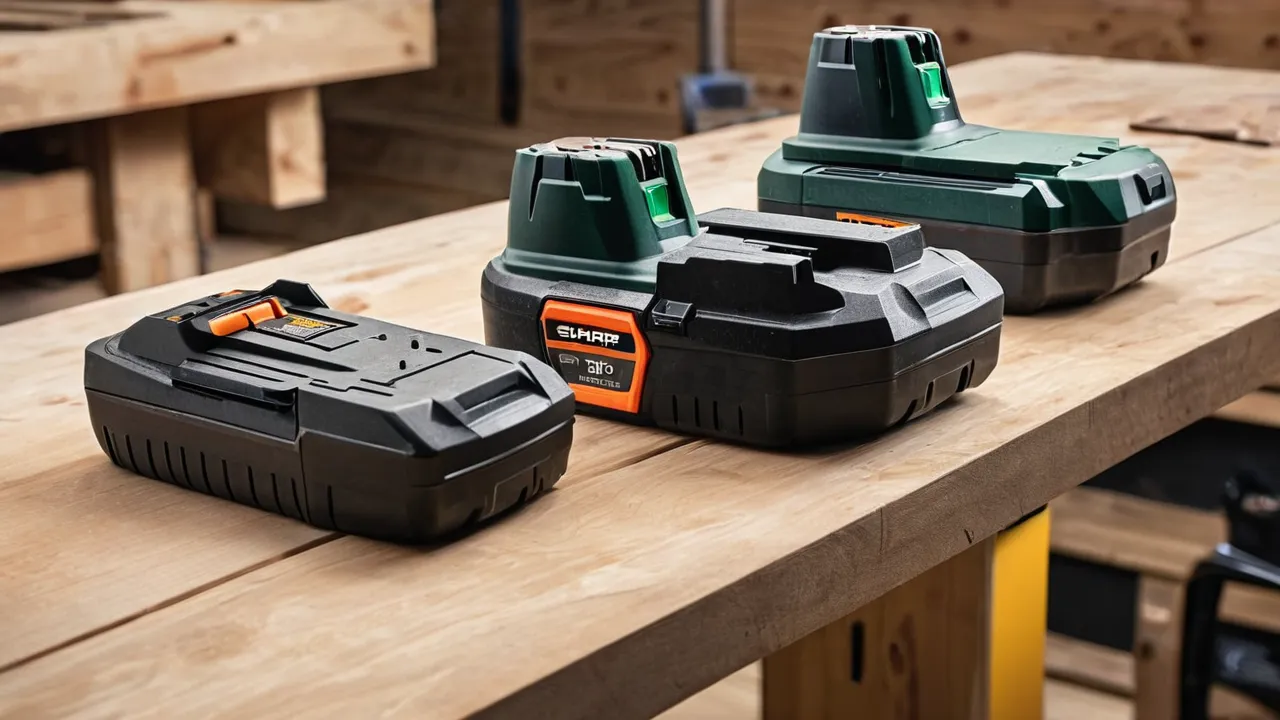
Cordless tool batteries typically last a few years of regular use, and the real answer depends on heat, charging habits, storage and how hard you drain them. A lithium-ion pack ages by charge cycles and by calendar time, so a pack that sits unused can still lose capacity. Makers usually describe their packs in terms of hundreds of charge cycles, and your own care decides whether you get the low or the high end of that range.
What actually ages a lithium-ion pack
Two kinds of wear add up. Cycle wear comes from charging and discharging: each full cycle slightly reduces the cells’ ability to hold charge. Calendar wear comes from time and temperature, even when the pack sits on a shelf. A pack bought on a clearance rack and stored warm may arrive already aged.
A pack is also a small system with a battery management circuit. That circuit protects against over-discharge, overheating and imbalance between cells. When the circuit or a single cell group fails, the whole pack may lose runtime or refuse to charge even though most cells are fine. That is why one bad cell group can end a pack’s life.
Heavy current also stresses a pack. Running a high-draw tool such as a saw or grinder on a small compact pack makes the cells work hard and heat up. Using a larger pack on demanding tools spreads the load and usually helps the pack last. Match the pack to the tool.
Heat is the main enemy
High temperature speeds up the chemical aging inside cells. Leaving packs in a hot car or truck bed, in direct sun, or on a charger in a hot garage shortens life. Charging a pack right after heavy use, while it is hot, adds stress. Many chargers delay charging until the pack cools, and some tools show a thermal fault. If a pack feels hot, let it rest before charging.
Practical habits help. Keep packs in the shade, take them out of the vehicle at the end of the day and leave a pack out of the charger when it is full if the maker advises. Do not charge on soft surfaces that trap heat, and keep the charger vents clear. Follow the manual’s stated temperature limits for use, charging and storage.
Cold weather and charging
Cold reduces available capacity and current, so tools run shorter and feel weaker on a freezing morning. That effect is usually temporary and reverses when the pack warms. Charging is the bigger concern. Charging a lithium-ion pack below the maker’s stated temperature can damage cells, and many chargers refuse to start until the pack warms. Bring a cold pack indoors and let it reach room temperature before charging, and never try to speed warming with a heat gun or a radiator.
Carrying a spare pack inside a jacket on winter jobs keeps it warm and ready. Check the manual for the allowed charging range and for storage limits in freezing weather.
Storage: the charge level that matters
Cells age fastest when stored full or completely empty. Many makers suggest storing packs at a partial charge in a cool, dry place for long periods, and some provide a specific level or a charger storage mode. Read your manual, since guidance differs by brand. For a pack you will not use for months, charge or discharge it to a partial level, store it indoors away from heat and flammables, and check it every few months.
- Keep packs out of freezing garages and hot attics.
- Do not store loose packs with metal objects that could short the terminals.
- Do not store a pack in a tool that could switch on.
- Label packs with the date you bought them to track age.
A year of care: a simple schedule
- Monthly: check that packs are clean and undamaged, and that the charger vents are clear.
- Each season: take out any pack you are not using, bring it to partial charge and store it indoors.
- Before heavy jobs: charge packs fully a short time before use rather than days ahead.
- Yearly: compare runtime on a typical task with last year’s, and note any pack that has fallen behind.
Use habits that add life
Avoid running a pack until the tool dies if you can swap early, since deep discharge stresses cells. Rotate packs rather than using one until it is worn, so they age evenly and you can see which is weakest. Use a pack sized to the tool, keep the charger and pack contacts clean, and use only the charger the maker specifies. Fast chargers are convenient but produce more heat, so give a hot pack a rest. A modest habit change can add noticeable life without cost.
Third-party batteries: when they are risky
Aftermarket packs vary widely in cell quality, circuit design and honesty of capacity labels. A pack that claims a very high amp hour rating at a very low price may not deliver it, and cheap circuits may fail to protect against overheating. Risks include poor fit, inaccurate fuel gauges, voided warranty and in the worst case thermal events. Some makers state that non-approved packs void tool warranties, so read the terms.
If you consider a third-party pack, look for clear cell information, protection circuits, recognized safety marks, a return policy and reviews that discuss real use over time. For heavy tools and for any pack that will be charged unattended, an original or maker-approved pack is the safer choice. Never use a pack that is swollen, leaking or damaged, whoever made it.
How to tell calendar loss from cycle loss
If a pack is old but lightly used and holds less than it did, calendar aging is the likely cause. If a pack is heavily used and loses runtime quickly, cycle wear is likely. A pack that is warm in storage and shows shortened runtime may have both. The distinction matters for the next purchase: if you use packs lightly, buy fewer and store them well. If you use them heavily, buy more packs, rotate them and choose a size that does not run flat each time.
Signs a battery is done
- Runtime has dropped to a fraction of what it was on the same task.
- The pack gets unusually hot in use or while charging.
- The charger shows a fault repeatedly with a known good charger.
- The pack swells, leaks or smells. Stop using it and follow the maker’s disposal advice.
- The fuel gauge jumps or drops suddenly under load, which can point to weak cells.
Do not try to open a pack or revive it. Recycle it through a take-back program or a battery collection point.
Planning for replacement
Plan to replace packs before a job depends on them. Budget for periodic replacement as part of owning a platform, and compare the price of a new pack with the price of a bare tool plus kit. A kit with two packs is often cheaper than buying a pack alone. Choose a platform with a long record of support, and check that packs remain available for tools you own. See our power tools category and the wider tools and garage section for how platforms compare, and how we review for how we weigh ownership factors.
Use only the maker’s charger and packs, do not charge a damaged pack, and keep packs away from heat and flammables. Follow the manual for charging, storage and disposal.
Checking a pack’s health at home
You do not need instruments to get a rough idea. Charge a pack fully, then time a repeatable task, such as driving a set number of screws or making a set of cuts, and write the result with the date. Repeat every few months. A steady drop in what the pack can do on the same task shows its trend, and comparing two packs on the same task shows which is weaker. Some packs have a fuel gauge, and some chargers show a status, but those indicators are rough. Read the manual for what the lights mean, and treat any fault code as a reason to stop and check.
Frequently Asked Questions
How many years do cordless tool batteries last?
Many last a few years of regular use, sometimes longer with good care. Heat, deep discharge, hard use and calendar age all shorten life. Makers describe packs in terms of charge cycles, so check your manual and watch for runtime loss.
Should I leave cordless batteries on the charger?
Follow the manual. Many modern chargers stop charging when the pack is full, but heat in the charger area and long storage on a charger can still add stress. Remove packs you will not use soon, and store them at a partial charge in a cool place.
Can I charge a cordless battery in the cold?
Not below the maker’s stated limit. Charging a cold pack can damage cells. Bring the pack indoors and let it warm to room temperature first, and avoid heating it with a heat gun or similar source.
Are third-party cordless batteries safe?
Quality varies. Some are well made, but others have inaccurate ratings or weak protection circuits and may void warranties. For heavy tools or unattended charging, use maker-approved packs. Never use a swollen or damaged pack.
Final Thoughts
Batteries last longest when they stay cool, are matched to the tool, are stored at a partial charge and are charged only within the maker’s temperature range. Expect gradual loss, rotate your packs and replace them when runtime drops to a fraction or the pack shows damage. A little care costs nothing and makes a platform much cheaper to own over the years.
Related buying guides
- How to Choose a Circular Saw: Blade Size, Motor, Guard
- How to Choose a Reciprocating Saw: Stroke, Orbit, Blades
- How to Choose a Cordless Tool Battery Platform
About the author

The BuyOnceChoice Editorial Team researches durable products worth buying once. Our guides compare published specifications, warranty terms, expert review consensus, and verified owner feedback. We do not conduct our own product trials. See How We Review and our Editorial Policy for our standards.