Cast Iron on Glass Top Stoves: What Is Safe
Weight, rough bottoms, and sliding cause most damage to glass cooktops. Check the base, lift the pan, and read the manual before cooking with cast iron.
 By BuyOnceChoice Editorial Team
Updated November 16, 2026
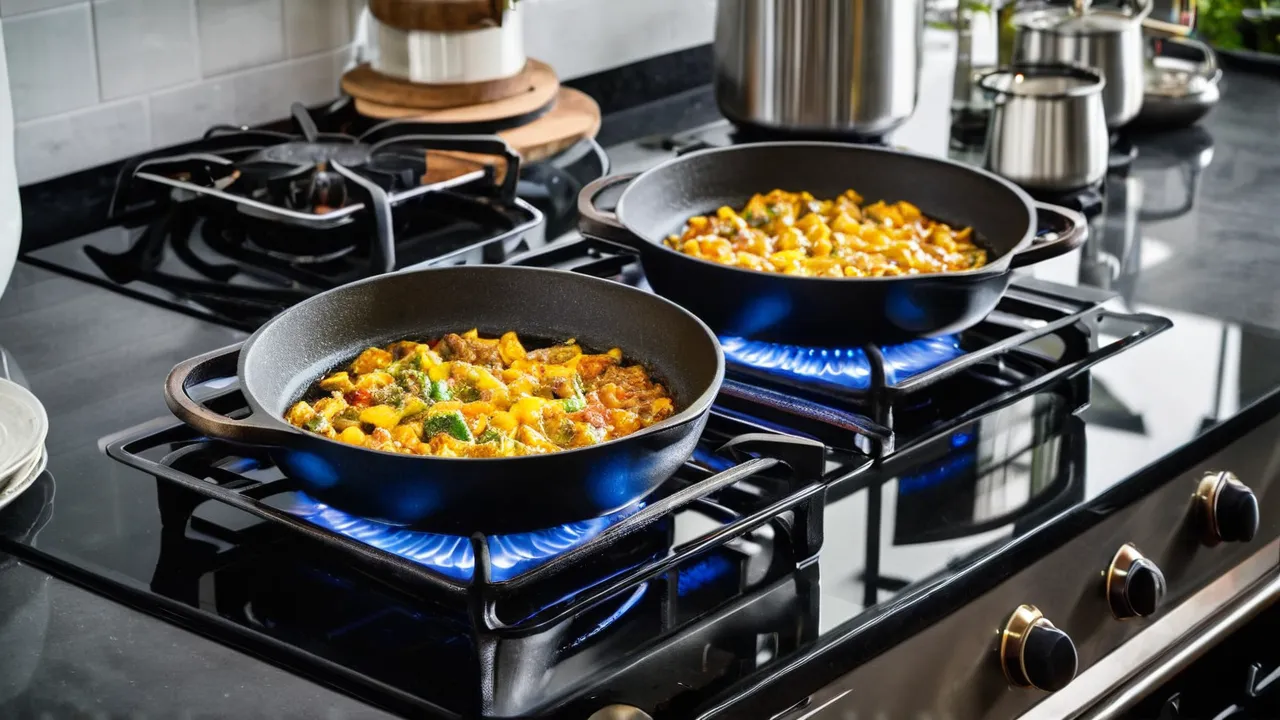
You can use cast iron on a glass top stove only if your cooktop manual allows it and the pan has a smooth, flat bottom, and even then you should lift the pan instead of sliding it. Cast iron is heavy and its base can be rough, and either problem can scratch or crack glass. When the manual is unclear, ask the cooktop maker before you cook, and consider a lighter pan with a smooth base.
Why Glass Tops Are Sensitive
Glass-ceramic cooktops look like solid glass, but they are a surface over heating elements and can be scratched, marked and in rare cases cracked. They handle normal cooking well, yet they do not like impacts, sliding abrasive objects or heavy loads dropped on them. Spilled sugar that burns onto the surface can pit it, and a hard bump with a pan can chip or crack the glass.
Cast iron brings three risks. It is heavy, so dropping it or setting it down hard can crack the glass. Many cast iron pans have a rough or ridged underside from casting, which acts like sandpaper if dragged across the surface. And it holds heat for a long time, so a hot pan left on the stove keeps heating the glass beneath it, and a pan that is warped can sit unevenly. None of these means cast iron cannot be used. They mean you need care and a pan with the right bottom.
Cooktop makers differ in what they say. Some say cast iron is acceptable with care, and others warn against it. Check your cooktop’s manual and the maker’s website for guidance, since the manual overrides general advice. This article is general information, and warranty coverage can depend on following the manual.
Check the Bottom of the Pan
Before putting a pan on glass, run your hand over the base. A suitable pan has a smooth, flat bottom with no rough spots, burrs or raised casting marks. Some cast iron pans are machined smooth on the bottom, and some enameled cast iron pans have a smooth enamel base. Rough, sand-cast pans, including many traditional skillets, can scratch.
Put a straightedge or ruler across the bottom to see whether it is flat. A pan that rocks, spins or has a convex base heats unevenly and can concentrate force on a small area of glass. A concave or domed base also reduces contact and can create hot spots. If a pan wobbles, do not use it on glass.
Check for dried food, rust or carbon on the bottom. Hard particles trapped between the pan and glass can scratch when the pan moves. Wipe the bottom clean before every use. Also check that the pan’s diameter fits the burner. A pan much wider than the burner can overheat the surrounding glass and trigger the safety limits of some cooktops, so check the manual for maximum overhang.
Lift, Do Not Slide
Sliding is the main cause of scratches. Always lift the pan to move it, and place it down gently. Avoid dragging it across the glass to a different burner or to the edge of the stove. If you need to pivot a pan, lift it slightly first.
Use two hands for a large skillet or an enameled Dutch oven, since weight makes it hard to control one-handed. Do not drop a pan onto the surface, and do not place a heavy lid or utensil down hard on the glass. Keep the pan clear of the cooktop’s edges, where the glass is more vulnerable.
Heat Settings and Burner Fit
Cast iron heats slowly and holds heat for a long time, so you rarely need high heat. Start on low or medium and give it time. A very hot dry pan on glass can stress the surface, and some manuals warn against preheating an empty pan on high. Avoid heating an empty pan for a long time.
Match the pan to the burner. A pan that is about the same size as the element heats evenly. If the pan is much smaller, heat can escape and hot spots may form, and if it is much larger, the glass beyond the element can stay cool and the pan may heat unevenly. Center the pan on the burner. Turn the burner off a little before you finish cooking, since the iron holds heat. After cooking, move the pan to a trivet or another surface if the manual allows, and let the glass cool before cleaning it.
Cooktop Types That Change the Rules
Not all cooktops are the same.
- Smooth glass-ceramic radiant cooktops: the common type, with the concerns above.
- Induction cooktops: they have a glass surface too, but induction heats the pan directly, and cast iron works well on them since it is magnetic. The same rules about lifting and smooth bottoms apply, and induction can heat the pan very fast, so use lower settings.
- Coil electric and gas: cast iron is a normal choice, and the glass issues do not apply, though a heavy pan can damage a grate if dropped.
If you are unsure what you have, check the model number and the manual. For comparisons across materials, see our stainless steel cookware page, since stainless can be a lighter alternative on glass.
A Worked Example
A cook with a glass top range buys a pre-seasoned 12 inch skillet. When it arrives, the bottom feels bumpy. The manual says cast iron is allowed if it has a smooth bottom and is not slid. Rather than sanding or modifying the pan, which could affect the finish and any warranty, the cook returns it and buys a skillet with a machined smooth base, checks that it sits flat, lifts it onto the burner and uses medium heat. After cooking, the cook lets the pan cool before moving it. A year later, the glass has no scratches. The difference was a smooth pan, a lifted move and moderate heat.
Lighter Options If Weight Is the Problem
If the weight of cast iron worries you on a glass top, you have choices. A smaller skillet, such as an 8 or 10 inch pan, weighs much less than a 12 inch one and is easier to handle. A carbon steel pan behaves a lot like cast iron with less weight, and many have smooth bases, though you should check the manual and the pan’s flatness. Stainless steel clad pans are lighter still and have smooth bottoms made for cooktops, though they lack the heat retention of cast iron. A Dutch oven can be swapped for a lighter enameled pot if lifting a full one is risky.
Another approach is to keep cast iron for the oven and use a different pan on the glass. Cast iron excels in the oven, on a grill or over a campfire, where weight and rough bottoms are not an issue, and you can sear on the stove briefly and finish in the oven. Choose what you will actually use, and avoid forcing a heavy pan onto a surface that does not suit it.
Cleaning, Storage and Long-Term Wear
Let the glass cool, then clean it with a cleaner recommended in the cooktop manual and a soft cloth or non-scratch pad. Wipe any residue, including rust, oil and burnt food, before it bakes on. Rust marks from the bottom of a pan can stain the glass, so keep the bottoms of your pans dry and clean. Store cast iron on shelves or racks, not stacked heavily on the glass.
Over time, small scratches can build up, particularly if pans are slid. If you see cracks, chips or deep scratches, stop using the cooktop and contact a qualified appliance technician. Do not try to repair a cracked glass surface yourself, since a crack can spread and expose the elements.
Safety Notes
- Follow the cooktop manual and the cast iron maker’s instructions.
- Never use a pan that wobbles or has a rough bottom on glass.
- Lift, never slide, and place the pan down gently.
- Do not leave a hot pan on a switched-off cooktop where someone could touch it.
- Keep children away from hot pans, since cast iron stays hot for a long time. Use oven mitts and trivets.
- If the glass cracks, turn off the burner, let it cool and contact a technician or the maker.
- For gas or electrical problems, rely on a licensed professional.
See our cast iron category for pans suited to different cooktops, and read how we review for how we treat safety claims.
Frequently Asked Questions
Can you use cast iron on a glass top stove?
Often yes, if the manual allows it and the pan has a smooth, flat bottom. Lift it instead of sliding, use low to medium heat and keep the pan centered on the burner. If the manual warns against cast iron, follow it.
Will cast iron scratch a glass cooktop?
It can, especially if the bottom is rough or the pan is dragged. A smooth, clean base and careful lifting greatly reduce the risk. Check the bottom for burrs or dried food before each use.
Is enameled cast iron safer on a glass top?
Often it has a smoother base, but it is still heavy and can scratch or chip the glass if the enamel is rough or you slide it. Check the bottom, lift and place gently, and follow the manual.
Can cast iron crack a glass stove?
A heavy pan dropped or set down hard can crack glass, and a rough or warped pan can create stress points. Take care when placing it, use two hands for heavy pieces and choose a lighter pan if lifting is hard.
Final Thoughts
Cast iron can work on glass tops if the manual permits it, the base is smooth and flat, you lift instead of slide and you keep heat moderate. When in doubt, check the manual or choose a lighter pan, and stop using the cooktop if the glass is damaged.
Related buying guides
- Cast Iron Skillet Size Guide: 8, 10, 12, or 15 Inch
- Cast Iron vs Carbon Steel Pans: Which to Buy Once
- Cast Iron vs Stainless Steel Skillet: Pick One First
About the author

The BuyOnceChoice Editorial Team researches durable products worth buying once. Our guides compare published specifications, warranty terms, expert review consensus, and verified owner feedback. We do not conduct our own product trials. See How We Review and our Editorial Policy for our standards.