Carry-On Size Chart: Why Measured Inches Beat Labels
Learn to measure a carry-on the way a gate sizer does, why product labels mislead, and how to check each airline page so your bag is never turned back.
 By BuyOnceChoice Editorial Team
Updated November 16, 2026
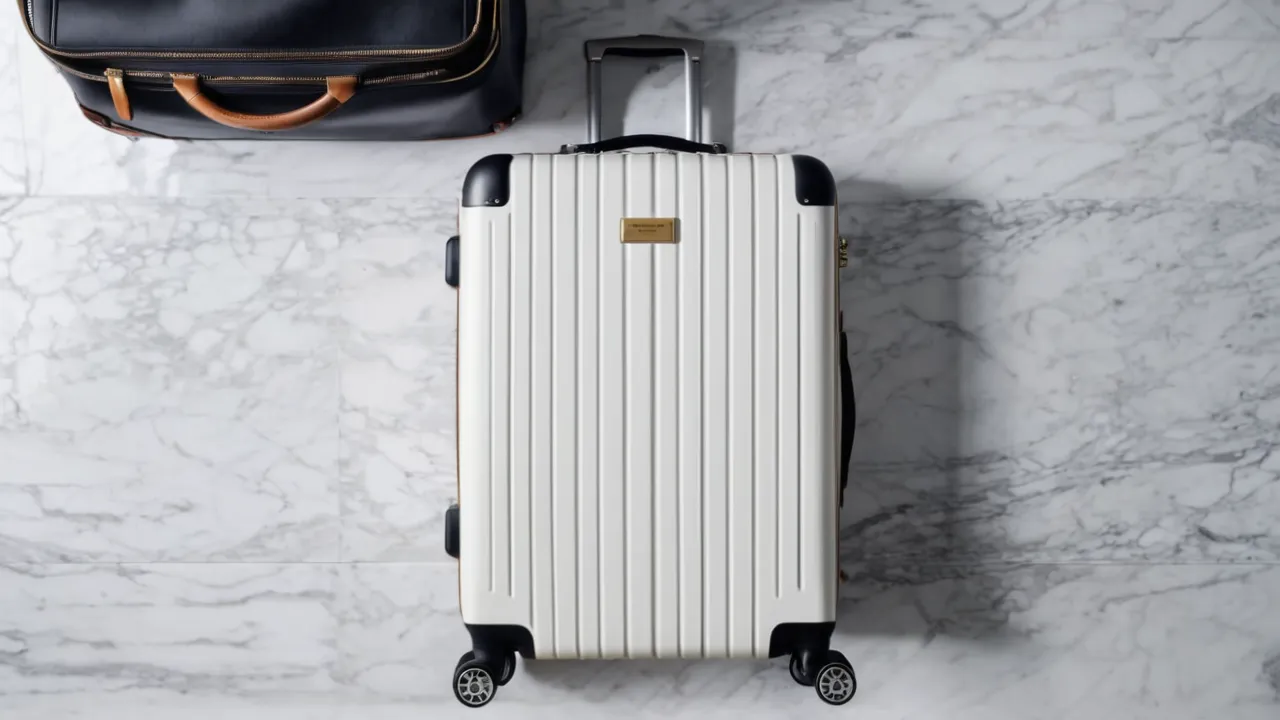
Carry on luggage size is the maximum external dimensions an airline allows for a bag you bring into the cabin, and the safest way to meet it is to measure your bag’s total external size, including wheels, handles, and pockets, then compare it with the limit on the airline page for your fare. Many large US carriers publish a limit of roughly twenty-two by fourteen by nine inches, but a “carry-on size” label on a product page is marketing, not a guarantee. This article gives a measuring method with a worked example, a way to check each carrier, and a chart of where labels and reality usually diverge.
What a label really tells you
The term carry-on on a product page means that the maker designed the bag to be close to common airline limits. It does not promise that the bag will pass at every carrier, and it does not account for how you pack it. Some listings state the interior dimensions, some state the shell dimensions, and some state the full outside size. No standard forces a brand to publish a particular one.
That is why two bags both called carry-on can differ by an inch or more in height once wheels are included. The extra inch is the difference between sliding into a sizer and being asked to check the bag. If a listing does not mention wheels and handles, assume the printed number is smaller than the full height.
Treat the label as a starting point and verify with a tape measure. If a brand publishes total dimensions with wheels, that figure is easier to trust, but you should still measure when the bag arrives.
Measure the way a sizer does
A gate sizer is a metal frame, usually near the check-in counter or the boarding gate. Staff look at whether the bag drops into it. The frame responds to the largest dimension in each direction, including parts that stick out.
Follow these steps with the bag packed for a typical trip.
- Place the bag upright on a hard floor with the handle fully retracted.
- Measure height from the floor to the highest point, usually the top handle or the handle housing.
- Measure width at the widest point, including any side handles or bumpers.
- Measure depth at the thickest point, including front pockets and any expansion section, closed and at normal fullness.
- Write down all three numbers. Add them if the airline gives a single linear total.
Soft bags can bulge when stuffed, so measure after packing. A bag that measures right when empty can exceed the limit once full, which is the most common reason people get stopped.
A worked example
Say a bag is listed as 21 inches tall. You measure it packed and find 22.5 inches to the top of the handle housing, 14.5 inches at the widest point with side handles, and 10 inches deep with the front pocket loaded. Against a limit of 22 by 14 by 9 inches, the bag is over in every direction even though the label said 21. A margin of half an inch per side would have kept it clear. The fix is to repack the front pocket, flatten the depth, and, if the height still fails, choose a smaller shell next time.
A chart of typical limits and where labels drift
These figures are common examples for orientation only. Confirm every number on the airline site before you fly, because limits change and fare classes differ.
| Item | Typical US mainline limit | Where labels mislead |
|---|---|---|
| Height with wheels | About twenty-two inches | Label often excludes wheels and handle |
| Width | About fourteen inches | Side pockets add width |
| Depth | About nine inches | Expansion zipper adds depth when open |
| Weight | Often unstated for mainline, stated by some carriers | Empty weight is not on the label |
Some international and low-fare carriers use smaller limits and enforce weight. If you travel on one, use its numbers rather than the common US figures above. For centimeter limits, one inch is about two and a half centimeters, so twenty-two inches is roughly fifty-six centimeters.
How to check each airline
Open the carrier’s baggage page and find the carry-on section. Look for the fare class you hold, since basic or ultra-low fares may restrict what you can bring. Write down the exact dimensions and whether the carrier states that wheels and handles are included. Many do, but the page should say.
If the page gives a single linear total instead of three numbers, add your three measurements and compare with the total. If it gives centimeters, convert carefully.
For trips with connections, check every carrier on the itinerary and use the strictest number. Regional partners often use smaller bins than mainline jets, and a bag that fit on the first leg can be a problem on the second. Keep a screenshot of the policy in case the gate agent disagrees. The screenshot does not guarantee acceptance, but it shows what the airline published.
Enforcement is uneven, too. Travelers often report that some flights ignore the sizer and others enforce it strictly, which is exactly why you should not plan around leniency. A bag that is slightly oversized can slide through on one trip and be stopped on the next, usually with a fee that is higher at the gate than at check-in. The conservative approach is to choose a bag a little smaller than the limit in each dimension, leaving a margin for bulge and measurement error.
Choosing a bag after you know the number
Once you know your carrier limits, filter bags by their full external size, not by the label. Prefer listings that state wheel-inclusive dimensions and empty weight. If a bag is expandable, check whether it fits in the expanded state or only when zipped down. A hard shell cannot bulge, which makes it more predictable. See how those compare in the luggage sets category, and the best travel luggage set roundup shows the usual sizes in a set.
If you prefer a pack, the backpacks category covers styles designed for carry-on use. The same measuring rules apply, and a pack stuffed beyond its rated size will fail the sizer too.
Be careful with phrases such as “fits most airlines” or “international carry-on size”. They are not defined terms. Ask for exact numbers, and when the numbers are missing, treat the bag as unconfirmed. The how we review page explains how missing manufacturer data is handled.
Packing habits that push a bag over
Even a correctly sized bag can fail when it is used differently from how it was measured. Front pockets stuffed with a laptop or shoes add depth. Expansion zippers opened on the way home turn a compliant bag into an oversize one. A coat strapped to the handle changes the profile at the sizer.
Hard shells have their own habit: a protruding corner guard, a raised logo plate, or a thick wheel housing can add a half inch that the listing ignores. Run the tape across the highest point, not along the center line. Packing cubes and compression straps help keep the bag at its intended depth, and moving the heaviest items near the wheels flattens the front panel.
Who this matters most for
Anyone flying budget carriers, taking international flights, or using a single carry-on for a long trip should measure carefully, since a fee or a forced check can be costly. Frequent flyers on one mainline carrier can memorize a single set of numbers and shop with those.
Travelers who always check a bag can relax about carry-on dimensions but should still keep a small bag within the personal item limit. People buying for a child can choose a smaller size, which is easier to lift and fits most limits.
Frequently Asked Questions
Do carry-on dimensions include wheels and handles?
Usually yes. Most airlines measure the full external size, which includes wheels, handles, and pockets, and many say so on their baggage page. Some product listings leave wheels out, so a bag labeled with a smaller height may still exceed the limit. Measure from the floor to the highest point and check the wording on your carrier’s page.
What is the standard carry-on size for US airlines?
There is no single standard, but many large US carriers list about twenty-two by fourteen by nine inches. Some carriers allow slightly larger bags and others, especially low-fare and international airlines, set smaller limits. Always read the current policy for your carrier and fare class instead of relying on a general figure.
Can I use a bag that is a little over the limit?
You might get through, but it is a risk. Enforcement varies by flight, gate staff, and how full the plane is, and the fee at the gate is often higher than at check-in. If your bag is over by even an inch, choose a smaller bag or pack it flatter instead of hoping for leniency.
Does a soft bag count by its empty size or its packed size?
Its packed size. Soft bags bulge when filled, and a sizer checks the bag as you present it. Measure the bag packed for a real trip, with pockets loaded, and leave a small margin under each limit so a slightly fuller bag on the return trip still passes.
Final Thoughts
A label is a promise made by a seller, while a tape measure gives you a fact. Measure the full external size, add a margin for bulge, and compare it against the airline page for every carrier on your ticket. Keep the numbers in a note on your phone so you can shop and pack with them.
Do those three things and whether a bag will pass at the gate becomes a measured question instead of a hopeful one. That saves you from last-minute fees and from repacking at the counter.
Related buying guides
- Cheap Luggage Sets: What You Give Up and When It Works
- Checked Luggage Size Guide: 24, 26, or 28 Inch
- Coil vs Chain Zippers on Luggage: What Fails First
About the author

The BuyOnceChoice Editorial Team researches durable products worth buying once. Our guides compare published specifications, warranty terms, expert review consensus, and verified owner feedback. We do not conduct our own product trials. See How We Review and our Editorial Policy for our standards.